
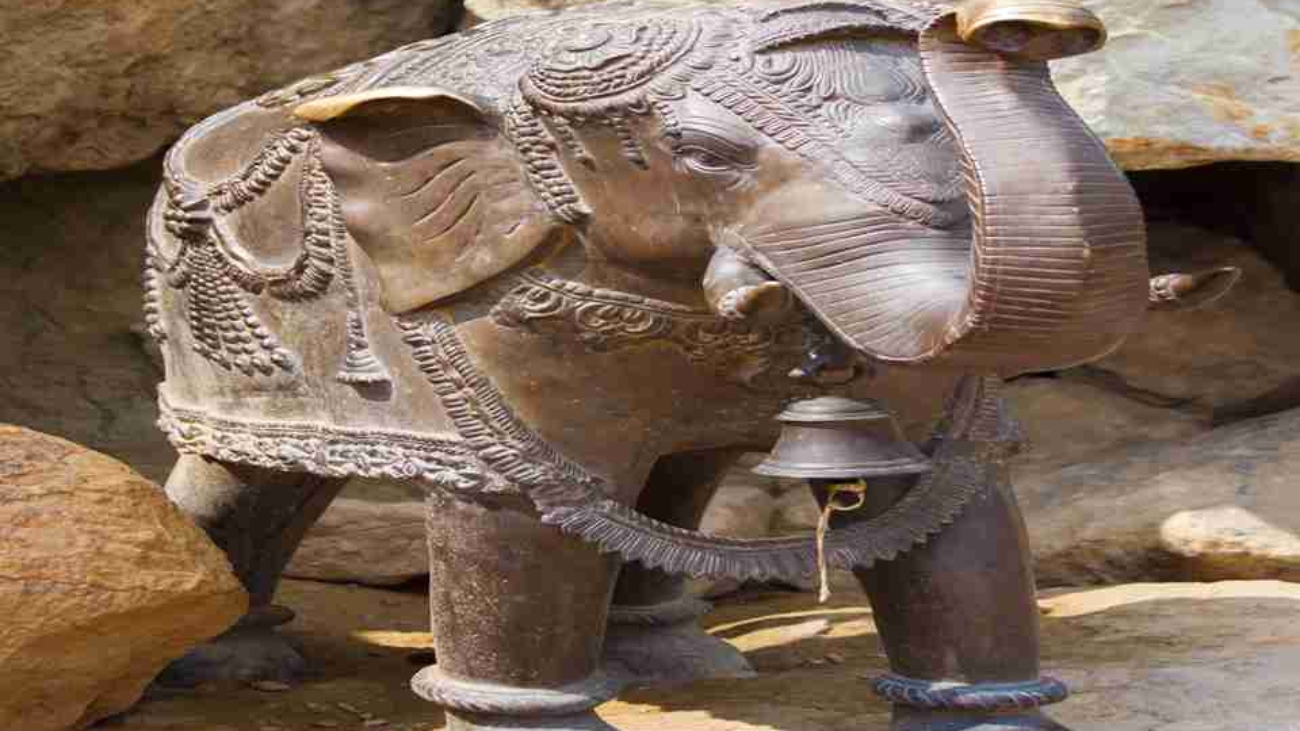
It takes a lot of skill, science, and history to fix bronze sculptures. To mend bronze without hurting it, you need to know a lot about metallurgy, chemistry, and how to sculpt. This is because you need to know how to remedy things like corrosion, cracks, or missing parts. This is not the same as fixing paintings or ceramics. If you collect, curate, or make bronze sculptures, learning how to mend them can help you protect your assets and get back pieces of art you love. Let’s take a closer look at the methods, issues, and fresh ideas that are shaping this field.
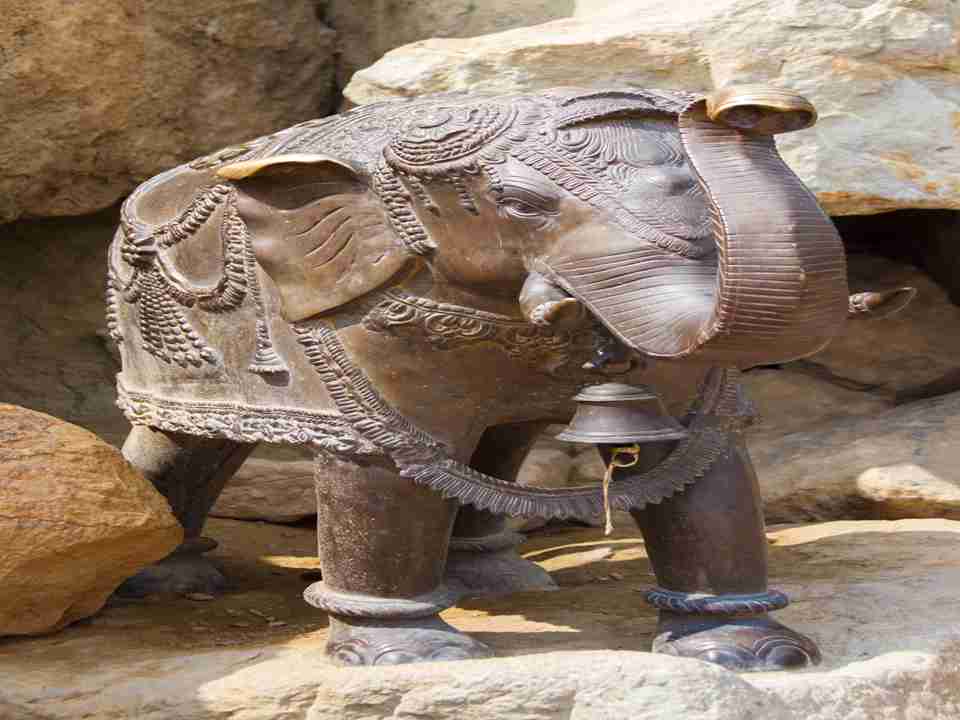
The first thing to do to fix a bronze statue is to look at the damage.
A comprehensive examination must be done first to figure out what caused the damage before any repairs can be undertaken. The weather can harm bronze statues, which can lead to problems like
Corrosion: It’s common for metals to get green patinas, like copper carbonate. But if they aren’t treated, they can make the metal weaker.
Cracks: Thermal stress or physical pressure can produce fractures, especially in thin or detailed areas.
Missing Parts: Old or improperly treated parts, such as limbs, decorative elements, or full sections, may come off.
Surface degradation: Polishing, graffiti, or not cleaning correctly can wear away textures and details.
Using new tools like X-ray fluorescence (XRF) spectrometers and 3D scanners, you can now investigate the sculpture’s structure and composition without having to cut it apart. For instance, XRF can tell the difference between alloys, which helps conservators pick the correct materials for repairs. “You can’t treat a bronze from the 16th century the same way you would a modern one,” says conservator Dr. Elena Marquez. “We need to use different methods because the alloys’ ratios and casting methods are different.”
Cleaning and Stabilizing: Getting the Bronze Sculpture Ready to Be Fixed
Before any physical repairs can be undertaken to stop the sculpture from getting worse, it needs to be stabilized. This means:
Gentle cleaning: Soft brushes or micro-abrasive blasting are mechanical procedures that remove dirt without harming the surface. We try not to use chemical cleaners unless we really have to because they can change patinas in ways that are hard to foresee.
Conservators use electrolytic reduction to get rid of active rust. This method runs a low electric current through the sculpture while it is submerged in a solution that conducts electricity. This method stops the metal from getting worse while keeping it safe.
Desalination: Deionized water is used to remove salt deposits from marine environments so they don’t crystallize again, which might shatter the bronze.
Stabilization also means making the area around the sculpture stable. Climate-controlled storage rooms or cases assist in keeping variations in temperature and humidity to a minimum. “Stopping something is half the battle,” Marquez explains. “A sculpture that is well cared for doesn’t need major repairs very often.”
The most important part of fixing bronze sculptures is putting back the missing parts.
When parts are missing or broken, conservators have to restore them while retaining the piece’s original look. This is the hardest thing they have to accomplish. The techniques utilized will be different depending on the style and period of the sculpture:
Lost-wax casting is a traditional method that is occasionally used to fill in lost portions in historical works. A mold is produced from the original sculpture, and then molten bronze is poured into it to make the new sculpture look and feel like the previous one.
3D Printing: Some modern sculptures employ 3D printing to build prototypes, which they then enhance using more traditional methods. This blended strategy makes the process go faster and helps you make specific changes.
Epoxy Sculpting: People shape heat-cured epoxies like Apoxie Sculpt by hand to fill in gaps and correct small items. These materials are robust and light and can be patinated to look just like bronze.
To cure cracks, bronze welding or soldering is employed, depending on how thick the sculpture is. When you weld, the metal melts at high temperatures, which is fantastic for mending things. Soldering, on the other hand, employs less heat to join delicate parts without affecting their shape.

The last step in fixing a bronze sculpture is patination and finishing.
How well the overall sculpture looks will determine how well it was fixed. The process of patination, which adds chemicals to generate color, is highly significant here. Conservators use spectroscopy to look at the original patina and recreate colors like greens, browns, and blues. Some common agents are
Ferric nitrate generates reds and browns that are warm.
Cupric sulfate generates very brilliant greens.
Ammonium chloride makes soft blue and gray colors.
“Faux patination” processes, like dry brushing or airbrushing, can be used by artists to make items look older. After that, waxes and sealants are put on to preserve the surface from rusting in the future. “The goal isn’t to make the repair invisible,” explains sculptor Raj Patel, who often works on restorations. “It’s to make a conversation between the old and the new that works well.”
Why you should engage a pro to mend bronze statues
If you try to fix bronze statues yourself, you risk breaking them beyond repair. Cleaning products that aren’t correct could remove patinas, and welding that isn’t done right could bend the metal. Professional conservators follow the rules set by associations like the American Institute for Conservation (AIC) to make sure that repairs may be undone and recorded for future generations.
Experts also stay up to date on new technologies like nanotechnology coatings, which create invisible barriers that keep dirt and moisture out. These changes help sculptures last longer and need fewer repairs.
In the end, fixing bronze sculptures can help keep their beauty alive.
Taking care of bronze statues is more than just a job; it’s a chance to appreciate the creativity and history of people. Every restoration project tells a tale of strength, employing both ancient and contemporary ways to bring fresh life to art that has stood the test of time. Hiring a specialist to mend bronze sculptures will make sure that these metal works of art last for hundreds of years, whether you’re conserving a family treasure or a museum masterpiece.
If you are in charge of these treasures, keep in mind that a sculpture’s true worth is not just how it looks but also how long it will last. Putting ethical and skillful repairs first shows that you care about both the artist’s vision and the legacy they left behind. Do something to take care of your bronze statues before time takes its toll.

 English
  German
  French
  Italian
  Panjabi
  Chinese
  Spanish
  Arabic
  Hindi
Hindi