
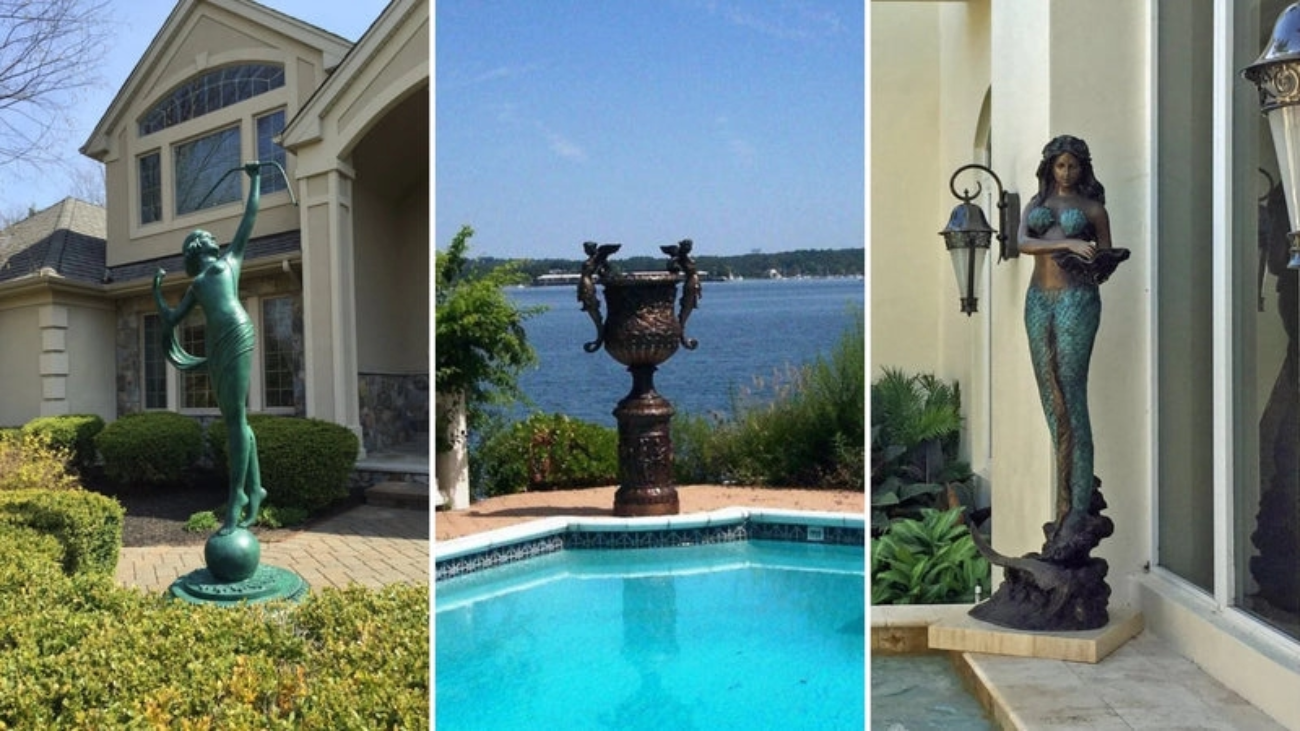
Ever looked at a shimmering bronze statue and wondered, how are bronze sculptures cast so perfectly that every fold of cloth and strand of hair feels alive?
You’re not alone.
Behind every bronze masterpiece—whether it’s an ancient Greek warrior or a modern city monument—is a precise, time-tested method called lost-wax casting. It’s where a fragile wax model is transformed into a permanent bronze sculpture that can survive for centuries outdoors.
In this guide, you’ll see exactly how that happens:
- How an idea becomes a clay model, then wax, then molten bronze at over 2,000°F
- How molds, sprues, and ceramic shells work together to capture microscopic detail
- How chasing, welding, and patination turn a rough metal shell into a museum-quality artwork
If you’ve ever been curious about the real process behind bronze art—or you’re thinking about commissioning a custom bronze sculpture—you’re about to get a clear, step-by-step look at the craft that foundries like Artvision Sculpture use every day.
Let’s pull back the curtain on the timeless art of bronze casting.
A Brief History of Bronze Sculpture Casting
When people ask “how are bronze sculptures cast?”, I always start with the history. The way we cast bronze today comes straight from thousands of years of experiments, failures, and refinements.
Ancient Origins and Early Lost‑Wax Casting
Bronze casting began in ancient civilizations like China, Mesopotamia, Egypt, and later across Europe. Artists discovered that by mixing copper with tin (bronze), they could pour the molten metal into a mold and get a durable, detailed shape.
The core technique that still dominates today is lost‑wax bronze casting (also called investment casting):
- An artist modeled the figure in wax.
- The wax was covered with clay or investment material to form a mold.
- The mold was heated so the wax melted out (“lost” wax).
- Molten bronze was poured into the empty cavity.
- Once cooled, the mold was broken to reveal the bronze sculpture.
This early lost‑wax casting process allowed surprisingly fine detail for the time and set the foundation for how we still cast custom bronze sculptures today.
Greek and Roman Hollow Bronze Casting
The Greeks and Romans pushed bronze sculpture techniques to a new level. Instead of solid figures, they developed hollow bronze casting to create:
- Larger sculptures with less weight
- Better structural stability
- Reduced metal usage and cost
They refined:
- Core supports inside the sculpture to hold hollow areas
- Complex gating systems (channels for metal flow and gases)
- Sectional casting, where different parts were cast separately and then joined
Many original Greek bronzes were melted down over time, but the surviving works show how advanced their bronze alloy types, engineering, and surface detail truly were.
Renaissance Revival of Bronze Casting
During the Italian Renaissance, artists like Donatello and later Giambologna revived and improved lost‑wax bronze casting after centuries of limited use in Europe.
Renaissance foundries:
- Returned to large‑scale hollow bronze casting for public monuments
- Perfected surface detail and realistic anatomy
- Used more controlled alloy composition to balance strength, color, and casting quality
This period shaped many of the bronze sculpture making process standards that professional foundries still respect and adapt today.
Modern Foundries and Today’s Bronze Industry
Today, modern custom bronze foundries combine ancient methods with advanced technology:
- Ceramic shell investment instead of simple clay for higher precision
- Controlled furnaces for accurate melting temperature and metal quality
- 3D modeling, 3D scanning, and 3D printing to create or reproduce patterns
- Strict quality control for porosity, shrinkage, and structural stability
As a manufacturer specializing in custom bronze, stainless steel, and outdoor metal artworks, I rely on this full history every day. The core idea is the same as it was thousands of years ago—wax model, investment, burnout, molten bronze—but modern bronze sculpture techniques let us deliver consistent, museum‑grade pieces for clients across the United States, from private collectors to public art projects.
Bronze Sculpture Basics: Why Bronze Works So Well

Why Bronze Is Ideal for Casting Sculptures
When people ask how are bronze sculptures cast, it starts with why bronze in the first place. I use bronze because it delivers a mix you don’t get with most metals:
- Flows beautifully when molten – it fills thin details and complex molds, perfect for lost-wax bronze casting.
- Strong but not brittle – great for outdoor public art, monuments, and large custom bronze sculptures.
- Weather-resistant – it forms a stable patina instead of rusting away, ideal for U.S. climates from dry Southwest to humid East Coast.
- Takes detail and texture – skin, fabric, hair, stone textures, you name it—bronze holds it sharply.
- Easy to weld and chase – makes bronze welding and fabrication and later touch-ups a lot cleaner and more reliable.
If you want a sculpture that lasts generations, bronze is the go-to.
Common Bronze Alloy Types for Sculpture
In sculpture casting, we mainly work with a few alloy types (copper + other metals):
- Silicon Bronze (Most common in U.S. foundries)
- Copper + silicon (plus small amounts of other elements)
- Great flow, strong, good for hollow bronze casting and large outdoor works
- Tin Bronze (Traditional “classic” bronze)
- Copper + tin
- Historically used in lost-wax casting process, gives a rich, traditional color
- Aluminum Bronze
- Copper + aluminum
- Extra strong, good for structural pieces and demanding outdoor sites
Each foundry tweaks the recipe, but these are the backbone of bronze alloy types for sculpture in the market.
How Alloy Composition Affects Strength, Color, and Detail
The bronze alloy composition directly changes how the sculpture looks and performs:
- Strength & Durability
- More silicon or aluminum = higher strength and hardness
- Better for large public works, cantilevered forms, and U.S. outdoor installs (parks, campuses, plazas)
- Color Tone
- Tin bronze = warmer, classic golden/brown tone
- Silicon bronze = slightly paler gold, works very well with a wide range of bronze patina techniques
- Aluminum bronze = slightly lighter, sometimes greener patina over time
- Detail & Cast Quality
- Alloys with good fluidity (like silicon bronze) flow into ceramic shell investment easily and pick up crisp detail
- Poorly chosen alloys can cause porosity, soft edges, and defects in fine textures
When I design or quote a custom bronze sculpture for U.S. clients, I always match the alloy to:
- Size and weight (solid vs hollow)
- Indoor vs outdoor use
- Desired color and patina style
- Structural needs (wind load, mounting, public interaction)
Choosing the right alloy up front saves money, improves finish quality, and keeps the sculpture looking good for decades.
Core Materials and Tools for How Bronze Sculptures Are Cast

Modeling Materials: Clay, Wax, Foam, Armatures
For most custom bronze sculptures, I start with:
- Oil or water-based clay – great for detailed modeling and revisions.
- Casting wax – used for the lost-wax bronze casting stage and for tight detail.
- Foam blocks – handy for large U.S. outdoor pieces where I need to rough in big volumes fast.
- Steel or aluminum armatures – internal skeletons that keep the model stable and prevent cracks or sagging while I work.
Mold-Making Supplies: Silicone, Plaster, Ceramic Shell
For bronze mold making, I rely on:
- Silicone rubber molds – flexible, capture fine detail, ideal for repeat castings and production runs.
- Plaster or fiberglass “mother molds” – rigid outer shells that support the silicone so it doesn’t warp.
- Ceramic shell investment – multiple slurry and sand layers built around the wax; this is what survives the furnace and holds molten bronze during pouring.
Foundry Tools: Crucibles, Furnaces, Safety Gear
In a professional **custom
Preparing the Original Sculpture for Lost-Wax Bronze Casting
Turning an Idea into a Clay or Wax Model
When I start a bronze sculpture, I always push the design as far as I can in clay or wax before thinking about metal:
- Sketch first – quick sketches help lock in pose, balance, and proportion.
- Choose the right modeling material
- Oil-based clay for detailed, reusable models
- Water-based clay for fast studies and larger work
- Casting wax when I already know it’s going straight to lost-wax bronze casting
- Think like a caster – avoid extreme undercuts, fragile overhangs, and shapes that will be impossible to mold or gate later.
The better the clay or wax model, the cleaner and cheaper the bronze casting will be at the foundry.
Building a Strong Armature for Larger Bronze Sculptures
For anything bigger than a small maquette, a solid armature is non-negotiable:
- Use strong core materials:
- Steel pipe, rebar, or aluminum rod for the main structure
- Heavy wire mesh or foam blocks to bulk out forms
- Plan for weight and balance – the armature must support the clay now and translate into a stable bronze later.
- Leave mold access – I keep the armature simple and open so the mold-making team can reach all areas.
- Outdoor or public work – for large custom bronze sculptures in the U.S., I coordinate early with engineers to make sure the internal structure and base will pass local safety codes.
A smart armature saves time, prevents cracking, and sets up the piece for clean hollow bronze casting.
Surface Detailing for Fine Texture Before Casting
Lost-wax bronze captures almost everything you put into the surface, good or bad:
- Do all the texture now – skin, fabric, hair, tool marks, and subtle transitions should be finished in clay or wax.
- Use the right tools – loop tools, soft brushes, sponges, and small wax tools for pores, wrinkles, and crisp edges.
- Watch your scale – over-deep textures can trap investment, while super-flat surfaces can show every tiny flaw in the bronze.
- Check under raking light – I always review the model under strong side light; it reveals bumps, dents, and uneven planes that will scream in metal.
A clean, intentional surface on the original model is the fastest route to a professional bronze sculpture with minimal chasing and rework later.
Making the Mold for Bronze Sculptures
When people ask “how are bronze sculptures cast,” the real answer starts with one thing: a clean, well‑designed mold. If the mold is wrong, everything that comes after will cost more time and money to fix. I treat mold‑making as the most important step in the lost‑wax bronze casting process.
One‑Piece vs. Multi‑Piece Mold Designs
Choosing the right mold type comes down to shape, undercuts, and how many bronze sculptures you plan to cast:
- One‑piece molds
- Best for: simple, flat, or low‑relief pieces with no deep undercuts.
- Pros: fast, less material, cheaper for a single custom bronze.
- Cons: limited detail on complex forms, harder to demold without damage.
- Multi‑piece molds
- Best for: full‑round figures, deep undercuts, complex poses, and custom bronze sculptures you want to edition.
- Pros: protects the original, lets you pull a clean wax positive, ideal for repeat casting.
- Cons: more labor, more material, higher up‑front cost—but cheaper per piece over a full edition.
For U.S. artists and designers, if you’re planning an edition of bronze sculptures (like 10, 20, or 30 pieces), I strongly recommend a well‑engineered multi‑piece mold. It brings serious savings over the lifetime of the project.
Applying Silicone or Rubber Over the Original Sculpture
For most bronze mold making, I use silicone rubber or similar flexible molding compounds because they capture sharp detail that really shows in bronze.
The basic process:
- Seal the original
- If it’s clay, plaster, or another porous material, I seal it so the rubber doesn’t stick or pull moisture.
- Apply a release agent
- Light, even coat only. Too much release kills detail.
- Brush‑on detail coat
- The first coat is thin and brushed into every texture, wrinkle, and pore.
- This “print coat” is what makes a high‑quality lost‑wax bronze casting possible.
- Build up thickness
- Add more rubber in layers until it’s thick enough to support itself (usually 1/4″–3/8″ for sculptures).
- For large work, I may thicken with fillers or add keys to lock into the mother mold.
Key goal: capture every detail, avoid air bubbles. That’s what gives you clean wax positives and clean bronze.
Creating Mother Molds for Support and Repeat Castings
The flexible rubber mold needs a rigid “shell” so it doesn’t flex or warp. That’s where the mother mold comes in.
- What a mother mold does
- Holds the silicone in the exact shape of the original.
- Keeps the mold from deforming while you pour wax.
- Makes it possible to do repeat castings with consistent quality.
- Common mother mold materials
- Plaster or plaster with fiberglass
- Fiberglass and resin
- Lightweight composites for big outdoor pieces
We design the mother mold in sections, so each piece can be removed without stressing the rubber. On large or complex bronze sculptures, a clean mother mold setup is what keeps alignment accurate for years of casting.
Common Mold‑Making Mistakes (And How to Avoid Them)
Most casting problems trace back to mold issues. Here’s where beginners and some low‑cost shops usually go wrong:
- Mistake: Ignoring undercuts
- Result: Tearing the mold or damaging the original.
- Fix: Plan a multi‑piece mold, add parting lines where the form locks, and don’t be afraid of more sections if it protects the sculpture.
- Mistake: Silicone too thin
- Result: Distortion, stretching, ripple lines in wax and final bronze.
- Fix: Build up enough thickness and support it with a strong mother mold.
- Mistake: Trapped air and bubbles
- Result: Pits, voids, and surface defects that show up in every casting.
- Fix: Start with a thin detail coat, brush carefully into all textures, and vent deep areas.
- Mistake: Poor registration between mold and mother mold
- Result: Misalignment, seams that don’t line up, extra metal chasing later.
- Fix: Add clear registration keys and test‑fit everything before you start wax casting.
- Mistake: Using the wrong materials for the job
- Result: Warped molds, short mold life, inconsistent bronze pieces.
- Fix: For serious work and U.S. climate conditions (heat, humidity, storage), stick to proven silicone rubber molds for bronze and strong mother molds built for repeated use.
When we build molds in our own shop, the goal is simple: stable, repeatable, and clean wax positives that make the rest of the bronze sculpture making process smoother and more affordable. A good mold saves you money at the foundry, cuts down on metal chasing, and produces better‑looking bronze sculptures every single time.
Creating the Wax Model (Wax Positive)
In lost-wax bronze casting, the wax model is where your bronze sculpture truly takes shape. If the wax is clean and accurate, your final bronze will be clean and accurate. If the wax is sloppy, every flaw will show up in metal.
Pouring or Brushing Wax into the Mold
For most custom bronze sculptures, I use a flexible silicone rubber mold with a rigid support shell:
- Slush (pour) casting:
- Warm the mold slightly so the wax flows evenly.
- Pour in molten casting wax, roll the mold so it coats all surfaces, then pour the extra back out.
- Brush-on wax:
- Use a soft brush to paint layers of hot wax into deep details, undercuts, and fine textures.
- Ideal when you need sharp detail or when the mold is complex.
Both methods let me control detail and reduce trapped air, which is critical for clean lost-wax bronze casting.
Controlling Wax Thickness for Hollow Bronze Casting
Most bronze sculptures for the US market are hollow bronze castings to reduce weight and cost:
- Target wall thickness: Typically around 3–5 mm (⅛–3/16 inch), depending on size and structural needs.
- Check thickness often: Use calipers or a thickness gauge as you build up layers.
- Even walls: Uneven wax thickness leads to uneven cooling, warping, and shrinkage defects in bronze.
Getting this right means a strong, lighter, and more affordable bronze sculpture, especially for larger outdoor pieces.
Wax Chasing: Fixing Seams and Surface Flaws
Once the wax positive is out of the mold, I “chase” the wax to clean it up:
- Remove seams: Blend mold seam lines with small heated tools and sculpting tools.
- Fix bubbles and pits: Fill tiny holes with wax and smooth them out.
- Restore detail: Re-cut hair, textures, and sharp edges that softened in the mold.
This metal chasing stage later is much easier if the wax chasing is done right up front.
Why the Wax Stage Is Critical to Casting Quality
Whatever you see in the wax, you will see in the bronze—often worse:
- Every flaw transfers: Bubbles, scratches, fingerprints, seams, all show up in the final bronze casting.
- Cost and time: Fixing problems in wax is fast and cheap. Fixing them in bronze is slow and expensive.
- Quality control: I treat the wax model like a finished sculpture. If the wax isn’t perfect, it doesn’t move forward.
For any serious lost-wax bronze casting project, especially custom bronze sculptures for clients in the US, the wax model is the main quality checkpoint. If the wax looks great, you’re set up for a clean, professional bronze casting.
Sprues, Vents, and the Gating System in Lost-Wax Bronze Casting
What Sprues and Vents Do in Bronze Casting
In lost-wax bronze casting, sprues and vents are the “plumbing” that make the pour work:
- Sprues (gates):
- Main channels that bring molten bronze from the pour cup into the sculpture.
- Also act as feeders to compensate for metal shrinkage as it cools.
- Vents:
- Thin channels that let air and gases escape from tight areas.
- Help prevent air pockets, misruns, and porosity in the bronze.
If sprues and vents are wrong, the casting will fail, no matter how good the wax or mold is.
Designing a Gating System for Smooth Metal Flow
For a clean, consistent cast, I design the gating system around how bronze actually flows:
- Keep short, direct paths from the main sprue to thick and thin sections.
- Feed heavier mass areas first so they get enough metal as they cool and shrink.
- Use gradual curves, not sharp angles, to avoid turbulence and trapped gas.
- Place the pour cup above the highest point of the sculpture for strong gravity flow.
- Add chills or extra feeders on large outdoor or structural bronzes to reduce shrinkage defects.
This planning step is non-negotiable if you want reliable, repeatable results from a custom bronze foundry.
Common Beginner Mistakes with Sprue Placement
Most casting issues we see from first-time or small studio projects come from poor sprue design:
- Sprues attached to high-detail areas (faces, hands, fine textures) that leave big cleanup scars.
- Too few vents, causing unfilled tips, thin edges, or misruns.
- Sprues that are too thin, so the metal cools and freezes before filling the mold.
- Gating attached only to thin areas, while thick areas starve and shrink.
- Forgetting how the piece will be handled during investing and burnout, leading to cracks at the sprue joints.
If you’re a U.S.-based artist sending work to us or any professional foundry, share clear photos or 3D files, and we’ll help map out a proper gating system so your bronze sculpture casts clean, with minimal chasing and welding later.
Investing and Burnout in Lost‑Wax Bronze Casting
Building the ceramic shell around the wax sculpture
In lost‑wax bronze casting, the ceramic shell investment is what turns your wax positive into a high‑temperature mold:
- We dip the wax sculpture into a ceramic slurry, then coat it with fine sand.
- This is repeated in multiple layers until the shell is thick and strong enough to handle molten bronze.
- For complex custom bronze sculptures, we reinforce key areas so the shell doesn’t flex or crack under heat and metal pressure.
A clean wax surface and dust‑free workspace are critical here; any contamination telegraphs into the bronze.
Layering investment for heat and pressure
Each layer of investment has a specific job:
- First coats (primary slurry): finest grain, captures detail and texture in the wax.
- Middle coats: add strength without burying detail.
- Final coats: heavier material to handle the weight and pressure of the bronze pour.
In our foundry, we adjust layer count and thickness based on sculpture size, wall thickness, and whether it’s hollow bronze casting or thicker, more solid sections.
Burnout: melting and draining the wax
Once the ceramic shell is dry, we move into burnout:
- Shells go into a burnout kiln, usually face‑down, so wax can melt and drain out.
- The wax is burned out completely, leaving a clean negative cavity for the bronze.
- Proper burnout avoids residue that can cause gas, porosity, or surface defects in the final casting.
This is the core of the lost‑wax bronze casting process—if burnout is sloppy, everything downstream suffers.
Temperature control to prevent cracks and defects
Tight temperature control is where a professional U.S.‑focused custom bronze foundry really makes a difference:
- Heat too fast: shells can steam, crack, or explode.
- Heat too slow or too cool: wax doesn’t fully evacuate, leaving ash and carbon.
- Wrong pour temperature window: leads to misruns, shrinkage, or rough surfaces.
We use controlled ramp rates, soak times, and precise kiln temps to:
- Keep shells structurally sound.
- Minimize warping and distortion.
- Deliver cleaner, sharper castings with fewer repairs needed later.
For artists and buyers in the United States, this means more reliable results, fewer surprises, and better consistency across editions and large outdoor bronze artworks.
Melting and Pouring Bronze
How bronze is melted and held at the right temperature
In professional lost‑wax bronze casting, the pour starts in the melt room. I use gas or induction furnaces that bring the bronze alloy up to around 1,900–2,100°F (1,038–1,149°C), depending on the specific bronze composition and the thickness of the sculpture.
Key points I focus on:
- Controlled heat ramp‑up to avoid thermal shock to the crucible
- Preheated crucibles so the bronze doesn’t chill too fast and create inclusions
- Stable holding temperature right before the pour to keep the metal fluid but not overheated (overheating can cause gas absorption and grain growth)
- Matching metal temp to mold temp so the bronze can fill fine details without misruns
For U.S. clients, this consistency is what keeps quality predictable across editions and reorders.
Degassing and cleaning the molten bronze
Clean metal in, clean casting out. Before I pour, I always:
- Skim slag and dross off the surface with proper skimming tools
- Use fluxes where needed to bind impurities and pull them out
- Degas the bronze (depending on alloy) to reduce porosity and pinholes
- Keep the melt area clean to avoid dropping debris into the crucible
This is where a lot of cheap castings go wrong. If the foundry skips proper cleaning and degassing, you’ll see it later as porosity, weak spots, and uneven surfaces in the bronze sculpture.
Gravity pouring vs. centrifugal casting
For custom bronze sculptures, I mainly use gravity pouring, but both methods have their place:
**Gravity Pouring (
Cooling, Breaking the Mold, and Revealing the Casting

When people ask how are bronze sculptures cast, this is the moment they’re really curious about: the “reveal.” In lost-wax bronze casting, the cooling and breakout stage can make or break the final piece, so I treat it with the same focus as the pour itself.
Cooling Times: Small vs. Large Bronze Sculptures
Bronze cools fast on the surface, but the core can stay dangerously hot for a long time. Rushing this step is one of the easiest ways to ruin a casting.
Typical cooling approach:
- Small bronze sculptures (jewelry, minis, small figures)
- Cool time: usually 30–90 minutes before handling.
- Often left in open air on a sand or firebrick bed.
- We wait until the red/orange glow is completely gone and the shell looks dull and stable.
- Medium pieces (tabletop bronzes, busts)
- Cool time: usually 2–4 hours, sometimes longer.
- We avoid quenching in water unless the foundry process is dialed in, because thermal shock can crack the metal or shell.
- Large outdoor bronzes (life-size or larger)
- Cool time: often overnight, sometimes 12–24+ hours, depending on wall thickness and mass.
- We let these cool slowly and evenly to reduce stress, warping, and internal cracks.
For U.S. artists and buyers, this is partly why your custom bronze sculpture doesn’t come out of the mold the same day it’s poured. Slow, controlled cooling is what protects your investment.
Removing the Ceramic Shell or Investment
Once the bronze is cool enough to handle, we break it free from the ceramic shell investment. This is a dirty, loud step, but it’s where your sculpture finally appears.
Typical shell removal methods:
- Mechanical breakup
- We use hammers, chisels, and mallets to crack off the outer ceramic shell.
- On complex pieces, we tap carefully around thin areas (like arms, fingers, drapery) to avoid bending or snapping them.
- Pneumatic tools
- Air hammers or chisels help remove stubborn investment without spending all day swinging a hammer.
- Great for large sculptures destined for outdoor use in the U.S. where durability and scale are key.
- Blasting
- Sandblasting or bead blasting removes the final thin layer of investment and opens up fine textures.
- This step gets into recesses and undercuts where hand tools simply can’t reach.
We also clear sprues, vents, and gating areas of any stuck investment so we can cut and weld cleanly in the next stages.
First Inspection of the Raw Bronze Sculpture
As soon as the investment is off, we run a first visual and tactile inspection of the raw bronze casting. This is where we decide what can be chased and what needs to be re-cast.
In the first inspection, we check:
- Overall completeness
- Did the bronze fill every part of the mold?
- Are all fingers, edges, and thin sections present?
- Wall thickness and structural integrity
- On hollow bronze casting, we check if walls are uniform enough for outdoor or long-term display.
- We look at areas that carry weight or stress, especially for large public sculptures.
- Gating and sprue locations
- We confirm sprue and vent cuts will be accessible for removal and metal chasing.
- If something was gated poorly, it shows up now as distortion or extra cleanup work.
- Surface quality
- We look at the skin of the bronze—overall texture, crispness of details, and any obvious flaws.
This is where we decide if the casting is “workable” or if it fails our quality bar. For U.S. collectors and designers, this inspection is a major checkpoint for foundry-level quality control.
Typical Surface Defects After the First Casting
Even with a well-run lost-wax casting process, raw bronze almost never comes out perfect. The difference between a mediocre and a high-end foundry is how predictable and controllable these defects are, and how cleanly they’re fixed.
Common surface defects we watch for:
- Sprue and vent marks
- Stubby bronze “nubs” where metal fed into the sculpture.
- These are expected and later cut, ground, and chased.
- Seam lines
- Thin lines where mold sections or wax sections joined.
- Shows up especially on complex multi-part molds.
- Usually fixable with chasing and texturing.
- Minor porosity
- Tiny pits or pinholes caused by gas or shrinkage.
- Small areas can be filled and chased; widespread porosity is a red flag.
- Misruns or thin spots
- Areas where the bronze didn’t fill fully or cooled too fast.
- May show as soft edges or incomplete forms.
- Minor ones can be built up with welding; severe ones may require a re-cast.
- Surface inclusions
- Bits of ceramic shell or slag embedded in the bronze.
- These can usually be ground out and repaired locally.
The goal here is simple: we want a clean, structurally sound casting that can move on to metal chasing, welding, and patination without surprises. That’s how we keep timelines realistic and final quality high for U.S. clients ordering custom bronze sculptures for homes, offices, or public spaces.
Cleaning, Chasing, and Welding Bronze Sculptures
Cutting off Sprues and Grinding Stubs in Bronze Casting
Once the bronze is poured and cooled, I start by removing sprues, vents, and gating. This is where the real “cleanup” begins in the lost‑wax bronze casting process.
- I cut sprues off with a bandsaw or cutoff wheel
- Then I grind down the stubs with angle grinders and carbide burrs
- I keep the surface slightly below final level so I can chase it clean later
Done right, you can’t tell where the metal used to flow. Done wrong, you’ll see flat spots and dips forever.
Chasing: Restoring Detail and Texture in Bronze
“Metal chasing” is where a bronze sculpture really comes back to life. After casting, the surface always loses a bit of sharpness, so I go back in by hand:
- Re‑cut lines, folds, and hair using chasing tools, files, and flex‑shaft tools
- Rebuild textures like skin, stone, fabric, or fur so they match the original model
- Smooth transition areas while protecting sharp edges and high detail
Chasing is slow work, but it’s what separates a cheap casting from a gallery‑level bronze sculpture.
Welding Multiple Bronze Sections Together
Large custom bronze sculptures are usually cast in sections, then welded into one solid piece. I match the bronze alloy so the welds stay strong and don’t age differently.
I focus on:
- Clean, tight joints for minimal filler
- TIG or MIG welding depending on thickness and detail
- Full penetration on structural welds for outdoor bronze installations
For big outdoor bronzes in the U.S., especially public art or park pieces, I never cut corners here—this is where long‑term safety lives.
Blending Welds Until Seams Are Invisible
After welding, I blend every seam so it disappears to the naked eye:
- Grind weld beads flush with the surrounding bronze
- Rebuild original forms with files and rotary tools
- Re‑chase textures across the weld line so it reads as one continuous surface
The goal: when the patina goes on, no one can tell where the sculpture was cut, cast, or welded. That’s the standard I hold my custom bronze sculptures to for clients across the United States.
Internal Support and Structural Stability in Bronze Sculptures
When people ask how are bronze sculptures cast and built to last, the hidden structure is a big part of the answer. For anything beyond a small, solid tabletop piece, internal support is non‑negotiable.
When You Need an Internal Armature
I add internal support when:
- The sculpture is tall, thin, or has outstretched parts (arms, legs, wings, etc.)
- It’s hollow bronze casting with thinner walls
- The piece is installed outdoors and must handle wind, kids climbing, or public traffic
- The base connection is small compared to the overall height or weight
If you’re planning a custom bronze, assume anything over 24–30 inches or with a dynamic pose will need an armature or internal frame.
Using Stainless Steel Supports in Large Outdoor Bronze
For large outdoor bronzes, I prefer stainless steel over regular steel:
- Corrosion resistance: Handles rain, snow, and coastal climates
- Strength: Supports weight without flexing or bending over time
- Compatibility: Works well with bronze welding and fabrication
Typical internal supports I design:
- Stainless steel rods or tubes running through legs, pedestals, or main load paths
- Hidden steel subframes inside hollow bronze sections
- Anchor points welded inside the sculpture that bolt to a base or footing
This is standard practice in any serious custom bronze foundry serving US public art projects.
Designing Bases and Mounts for Safe Installation
A bronze sculpture is only as safe as its base. For the US market—public parks, hotels, corporate plazas—I treat mounting like engineering, not decoration.
Key things I design into bases and mounts:
- Proper weight distribution: Wide enough footprint so the piece won’t tip
- Anchoring system:
- Stainless steel mounting studs or threaded inserts built into the bronze
- Hidden gussets or plates inside the sculpture for strength
- Epoxy anchors or embedded bolts into concrete foundations
- Wind and impact loads: For outdoor work, I size bolts and footings to handle storms and daily use
- Service access: If the sculpture ever needs removal, the mount system allows that without damage
If you’re planning a custom bronze sculpture for your home, business, or a public space in the U.S., I always recommend:
- Engineer-approved footing for anything large or public
- Stainless steel hardware and anchors for outdoor installations
- A clear installation drawing so your contractor knows exactly how to set it safely
Internal support and smart mounting are what keep a bronze sculpture safe, stable, and standing for decades—not just looking good on day one.
Patination and Surface Finishes in Lost‑Wax Bronze Casting

When people ask “how are bronze sculptures cast and finished?”, patination is usually what they’re really curious about. The casting gives you the form. The patina and surface finish give you the personality, depth, and long‑term protection.
What Patina Is and Why Bronze Changes Color
Bronze is a copper‑based alloy, so it reacts naturally with oxygen, humidity, pollution, and salts in the air. That natural reaction forms a thin surface layer called patina.
Over time, untreated bronze can shift from bright golden to:
- Warm brown
- Deep chocolate
- Greenish or bluish tones (that classic aged “statue of liberty” look)
- Dark gray or almost black in harsh environments
In fine art and custom outdoor sculptures, we don’t just sit back and wait. We control the patina with chemicals, heat, and sealers so you get the color and character you actually want, not whatever the weather decides.
Common Chemical Patinas for Bronze Sculptures
In a professional custom bronze foundry, we use chemical patinas to speed up and steer that natural reaction. A few common options US collectors and designers usually ask for:
- Brown / Traditional Brown Patina
- Uses: Liver of sulfur, ferric nitrate, or related chemicals
- Look: Warm, classic, museum‑style bronze
- Great for: Memorials, monuments, traditional figurative work
- Black or Very Dark Patina
- Uses: Sulfur‑based patinas, cupric combinations
- Look: Deep black to charcoal, good for strong contrast
- Great for: Contemporary pieces, bold outdoor bronze sculptures
- Green / Verdigris Patina
- Uses: Cupric nitrate or similar copper salts
- Look: Green to turquoise tones, from subtle to dramatic
- Great for: Garden sculptures, coastal installs, “aged” look right away
- Blue, Red, or Mixed Specialty Patinas
- Uses: Layered chemicals, controlled heat
- Look: More painterly or abstract, lots of character
- Great for: Custom art projects, statement pieces in residential or commercial spaces
We’ll often layer patinas—for example, a dark base with lighter highlights polished back—so the sculpture has depth and reads well from a distance.
Hot vs. Cold Patina Methods
Most lost‑wax bronze casting finishes use either hot patina or cold patina methods. Both have their place:
Hot Patina (most common for fine art bronze)
- The bronze is heated with a torch (typically 180–220°F / 82–104°C).
- Chemicals are brushed or sprayed on while the metal is hot.
- Reaction happens quickly and can be built up in layers.
- Color is usually richer, deeper, and bonds better to the metal.
- Best for outdoor bronze sculptures, public art, and high‑end gallery work.
Cold Patina
- Applied at room temperature.
- Chemicals are sprayed, brushed, or dabbed on.
- Reaction is slower, more subtle, and sometimes less durable.
- Better for small indoor pieces, experiments, and certain specialty colors.
If you’re planning a custom bronze sculpture for outdoor use in the US—whether it’s for a private home, a corporate campus, or a city project—we almost always recommend a hot patina plus wax sealing for durability.
Waxing, Sealing, and Protecting the Bronze Surface
After patination, the surface needs to be sealed and protected. This is where a lot of the long‑term maintenance decisions are made.
Common options we use for US clients:
- Microcrystalline Wax (Standard for Fine Art)
- Applied hot over the patina, then buffed.
- Adds a soft sheen, deepens color, and gives a water‑resistant barrier.
- Easy to maintain with re‑waxing.
- Ideal for: Indoor sculptures and outdoor bronzes that can be serviced every 6–18 months.
- Clear Lacquer / Clear Coat
- Stronger initial barrier, but if it fails, it can peel or trap moisture.
- We usually avoid heavy lacquers on outdoor pieces in harsh climates.
- Sometimes used on smaller indoor decor or where frequent waxing isn’t realistic.
- Maintenance Tips for US Owners
- Indoor bronze:
- Dust with a soft cloth.
- Light re‑wax every 1–2 years if it starts looking dull.
- Outdoor bronze (sun, rain, snow, coastal air):
- Gentle wash with mild soap and water only.
- Rinse well and dry completely.
- Re‑wax 1–2 times per year, especially before and after winter in colder states or in high‑salt coastal areas.
- Indoor bronze:
A well‑done patina and finish not only make your sculpture look right the day it’s installed, they also control how it will age, how often it needs care, and how stable it stays in your specific US climate—whether that’s Arizona sun, New England winters, or Florida salt air.
Alternative Bronze Casting Methods

When people ask “how are bronze sculptures cast,” they’re usually talking about lost‑wax bronze casting. But there are a few other practical ways to cast bronze, especially if you’re working on simpler forms, plaques, or small‑scale jewelry for the U.S. market.
How Sand Casting Works for Simple Bronze Pieces
Sand casting is one of the oldest and most cost‑effective bronze sculpture techniques for basic shapes.
How sand casting bronze works:
- You press or “pattern” your design into special foundry sand (often mixed with clay and oil or resin) to create a cavity.
- You pack the sand tightly around the pattern in a two‑part frame (cope and drag).
- Remove the pattern, leaving a negative mold in the sand.
- Cut in channels (sprues and vents) for the molten bronze to flow in and gases to escape.
- Pour molten bronze into the sand mold and let it cool.
- Break open the sand, pull the bronze casting, and clean it up.
Best use cases in the U.S.:
- Logo plaques, markers, address plates
- Simple reliefs, hardware, handles, and small industrial parts
- Sculptures with clear, blocky forms where super fine detail isn’t required
If you’re a designer, architect, or business owner needing clean, readable bronze signage or basic sculptural elements, sand casting is usually faster and more budget‑friendly than lost‑wax casting.
Lost‑Wax Casting vs. Sand Casting: Pros and Cons
Both lost‑wax casting (investment casting bronze) and sand casting have their place. Here’s how they stack up when you’re deciding how to get a custom bronze sculpture or part made.
Lost‑wax bronze casting – Pros:
- High detail: Captures hair, skin texture, fabric folds—ideal for fine art and custom bronze statues.
- Smooth surfaces: Less grinding and sanding after casting.
- Complex forms: Great for undercuts, dynamic poses, and intricate jewelry.
- Repeatability: Investment molds can be built from silicone rubber molds for edition work.
Lost‑wax bronze casting – Cons:
- Higher cost per piece
- Longer lead times
- More steps: wax, ceramic shell, burnout, etc.
Sand casting bronze – Pros:
- Lower cost: Less labor‑intensive and mold materials are cheaper.
- Fast turnaround: Ideal for larger runs or simple shapes.
- Large formats: Works well for big plaques, panels, and functional parts.
Sand casting bronze – Cons:
- Lower surface detail and more texture
- More machining and grinding needed
- Limited complexity—deep undercuts and delicate features are hard to pull off
If you want a gallery‑quality bronze sculpture or a custom outdoor artwork with refined detail, lost‑wax casting is the right answer. For straightforward, durable bronze components—sand casting is often the smarter, more economical option.
When to Use Solid Casting vs. Hollow Casting
A common question from U.S. clients is whether their bronze piece should be solid bronze or hollow bronze. The choice affects cost, weight, and structural behavior.
Solid bronze casting:
- Best for:
- Small pieces (jewelry, miniatures, medallions)
- Thin, simple forms where hollowing doesn’t save much weight
- Pros:
- Very durable and simple to manufacture
- Great “weight in hand” feel for premium products
- Cons:
- Heavy and more expensive for anything medium or large
- More metal means higher material cost
Hollow bronze casting:
- Best for:
- Medium to large sculptures
- Outdoor public art, garden statues, and architectural bronze
- Pros:
- Much lighter—easier to install and ship
- Lower metal cost per piece
- Can be engineered with internal supports for long‑term strength
- Cons:
- More technical: needs careful wax thickness control and gating design
- Welding and chasing work to assemble multiple sections
For most custom bronze sculptures over a few inches tall, I recommend hollow bronze casting with controlled wall thickness. It keeps costs reasonable, improves handling, and still delivers that classic solid‑metal presence.
Small‑Scale Bronze Casting for Jewelry and Minis
If you’re designing jewelry, miniatures, or small collectible figures, you don’t need a huge industrial setup—but you still need a reliable process.
Typical setups for small‑scale bronze casting:
- Lost‑wax bronze casting in small flasks:
- Wax models made by hand or from 3D printed patterns
- Placed in investment plaster, then burned out
- Bronze poured by gravity or using small centrifugal / vacuum casting machines
- Micro sand casting for simple parts:
- Good for small, robust shapes like simple pendants or tags
- Less detail than investment casting but faster for basic runs
Why lost‑wax is usually better for jewelry and minis:
- Sharp detail on faces, textures, engraving, and logos
- Consistent results across an edition
- Easy to scale up from one master model using silicone rubber molds
For U.S. jewelry brands, tabletop game creators, and small product lines, small‑scale lost‑wax bronze casting paired with 3D printing is often the sweet spot: you get precision, repeatability, and a high‑end feel without needing massive volumes.
If you’re planning a new line—whether that’s bronze rings, custom pendants, small busts, or tabletop miniatures—choosing the right casting method (lost‑wax vs sand, solid vs hollow) early will save you time, money, and headaches down the road.
Modern Tech in Bronze Sculpture Casting
Using 3D Modeling and Scanning for Sculpture Designs
I use 3D modeling and 3D scanning to speed up and clean up the whole bronze sculpture making process:
- 3D modeling (CAD / sculpting software)
- Perfect for planning pose, balance, and wall thickness before any clay or wax work.
- Easy to scale a piece up or down for different edition sizes or public installations.
- Great for U.S. clients who want to see realistic previews and quick design changes before we commit to a custom bronze foundry run.
- 3D scanning
- I can scan a clay original, existing statue, or even a person and turn that into a digital model.
- This keeps likeness, proportions, and details accurate when we move into lost‑wax bronze casting.
- Helpful for restorations, replacements, or matching an older bronze sculpture on a property.
3D Printing Patterns for Bronze Casting
3D printing has become a core part of how we handle patterns and wax positives for bronze casting:
- I can 3D print patterns in resin or wax that go straight into the ceramic shell investment process.
- It’s ideal for:
- Repetitive elements (logos, text, architectural details).
- Small-scale bronze casting like jewelry, minis, or branded awards.
- Tight deadlines, since we skip some traditional mold-making steps.
This keeps the lost‑wax casting process accurate, repeatable, and cost‑effective for U.S. customers who care about both detail and budget.
Combining Traditional Sculpture with Digital Tools
I don’t replace traditional sculpture; I combine it with digital tools to get the best of both worlds:
- Sculptors can still hand-model in clay or wax, then I scan and refine it digitally.
- We fix structural issues, gating, and hollow bronze casting strategies on-screen before investing in molds.
- For large outdoor bronze sculptures, I use digital tools to:
- Break the piece into weldable sections.
- Plan internal supports and mounts.
- Keep cost of custom bronze sculpture under control while protecting safety and durability.
This blend of traditional bronze sculpture techniques with modern 3D tech lets me deliver custom bronze, copper, and stainless steel artworks that meet U.S. standards for quality, lead time, and long-term maintenance.
Costs and Pricing of Bronze Sculptures

When people ask “how are bronze sculptures cast”, what they really want to know next is: how much is this going to cost me? Bronze is premium, and so is the whole lost-wax casting process, so pricing needs to be clear and predictable.
Key Factors That Affect Bronze Casting Cost
Bronze sculpture pricing usually comes from four main cost drivers:
- Size & weight
- More bronze = higher material cost and higher foundry labor.
- Large outdoor pieces need thicker walls, stronger supports, and heavier bases.
- Complexity of the sculpture
- Deep undercuts, fine details, and complex textures mean:
- More complicated bronze mold making
- Extra wax chasing, metal chasing, and welding
- More skilled hours in the foundry
- Deep undercuts, fine details, and complex textures mean:
- Alloy type & finish
- Different bronze alloy types for sculpture vary in price.
- Special alloys or custom bronze patina techniques (multi-layer patinas, custom colors) add cost.
- Edition size
- Single custom bronze sculptures cost more per piece.
- Larger editions spread the mold and setup costs across more units, lowering the per-piece price.
- Installation & logistics
- Indoor tabletop piece vs. a 10-foot outdoor bronze with anchors, crane lifting, and onsite welding.
- Crating, insurance, and shipping (especially across the U.S.) matter.
Size, Complexity, and Edition Pricing Examples
These are ballpark examples for the U.S. market using lost-wax bronze casting at a professional custom bronze foundry:
- Small bronze (8–12 inches, simple form, hollow)
- Single piece: $1,200–$3,000
- Edition of 10+: $700–$1,500 per piece
- Medium bronze (24–36 inches, moderate detail)
- Single piece: $4,000–$12,000+
- Edition of 10+: $2,500–$7,000 per piece
- Large outdoor bronze (life-size figure or abstract)
- Usually done in sections with bronze welding and fabrication, internal supports, and structural engineering.
- Single piece: $25,000–$150,000+ depending on scale, structure, and patina.
These ranges change based on:
- Local labor rates in the U.S.
- Complexity of the gating system, investing and burnout, and finishing
- How much of the prep work (model, mold) you already bring to the foundry
Ways Artists and Collectors Can Manage Casting Budgets
You can control cost without sacrificing quality if you plan the bronze sculpture making process smart:
- Simplify early
- Design smart for hollow bronze casting instead of thick solid masses.
- Reduce extreme undercuts that make mold and wax work harder and more expensive.
- Use editions
- Spread mold, model, and setup costs over a limited edition (e.g., 10–20 pieces).
- Pre-sell part of the edition to fund the first casting.
- Do more prep yourself
- Deliver a clean, finished original (clay, wax, or 3D printed pattern).
- If you can, handle some wax chasing or final surface work yourself (if the foundry allows it).
- Choose finishes wisely
- A classic, durable brown or green bronze patina is usually more affordable than complex multi-color patinas.
- Keep outdoor bronze maintenance simple by choosing stable patinas and clear waxing plans.
- Plan the project in phases
- Break large projects into steps: design → model → mold → first casting → full edition.
- This spreads out payments and lets you test the market before committing to a full run.
If you’re in the U.S. and considering a project, I usually recommend:
- Bring reference images and rough size targets.
- Decide early whether you want a one-off piece or an edition.
- Ask for a line-item quote: mold, casting, chasing, patina, base, and installation separated.
That way you see exactly where the money goes and where we can adjust to keep your custom bronze sculpture on budget.
Common Problems in Bronze Casting and How to Fix Them

Air Bubbles, Porosity, and Shrinkage
In lost-wax bronze casting, air bubbles and porosity kill surface quality and long-term strength. Here’s how I keep them under control:
- Air bubbles in the wax
- Use a warmed, low-viscosity casting wax
- Slush or pour, don’t “whip” the wax
- Pressure or vacuum the wax where possible
- Gas porosity in the bronze
- Proper venting and gating system so air escapes cleanly
- Degas and skim the molten bronze before pouring
- Avoid overly hot metal that increases gas pickup
- Shrinkage cavities and sinks
- Add risers/feeders at thick sections so fresh metal can feed shrinkage
- Keep wall thickness even for hollow bronze casting
- Use the right bronze alloy and pour temperature for the section size
If you’re in the U.S. and want clean, sale-ready castings, fixing porosity and shrinkage up front saves a lot of grinding and chasing later.
Misruns, Cracks, and Warping
Misruns and cracks usually mean something went wrong in metal flow, temperature, or shell strength:
- Misruns (metal doesn’t fill the mold)
- Increase metal and mold temperature
- Improve gating design: shorter flow paths, thicker gates
- Make sure the ceramic shell or investment is fully dry before burnout
- Hot tears and cracks
- Avoid sudden section changes; design smooth transitions
- Use a bronze alloy suited to sculpture (good fluidity, controlled shrink)
- Burn out and preheat at controlled rates to reduce thermal shock
- Warping and distortion
- Add temporary support rods in wax for thin parts
- Control cooling: don’t quench large sculptures
- Use even wall thickness to avoid pull in one direction
For custom bronze sculptures meant for outdoor or high-traffic U.S. locations, structural stability is non‑negotiable. We build that into both the design and the pour.
Quality Control Before Approving a Casting
Before I sign off on a bronze sculpture casting, I run through a consistent quality control checklist:
- Visual inspection under raking light
- Look for pits, pinholes, cold shuts, misruns, and hairline cracks
- Check weld seams, sprue cut areas, and thin details closely
- Dimensional and alignment checks
- Compare to the original model, 3D scan, or client drawings
- Confirm base, mounting points, and structural supports are accurate
- Mechanical and structural review
- Inspect welds and joints for full penetration and clean blending
- For large outdoor pieces, verify internal armature and anchors
- Surface and patina readiness
- Make sure chasing is clean and textures are consistent
- Confirm the surface is ready for patination and final wax sealing
A serious custom bronze foundry in the U.S. should walk you through these quality checks before a piece leaves the shop. If they don’t, you’re taking on risk you don’t need.
How to Care for Bronze Sculptures
Cleaning Indoor Bronze Sculptures
For indoor bronze sculptures, I keep cleaning simple and gentle so the patina and wax stay intact.
Basic routine (every 3–6 months):
- Dust with a soft microfiber cloth or feather duster
- If needed, wipe lightly with a damp cloth (distilled water) and dry right away
- Avoid abrasive pads, metal polish, household cleaners, and solvents – they strip patina and wax
Protecting the finish:
- Keep bronzes away from humidifiers, heating vents, and direct sunlight
- Don’t handle the piece with oily hands – skin oils slowly stain the patina
- If the surface looks dull or dry, apply a thin coat of museum-quality microcrystalline wax, then:
- Let it haze
- Buff gently with a soft cloth
Outdoor Bronze Maintenance & Re‑Waxing
Outdoor bronze sculptures in the U.S. deal with UV, rain, snow, and pollution. Regular wax protection is non‑negotiable if you want a long, stable patina.
Basic outdoor care:
- Rinse with clean water a few times a year to remove dust and bird droppings
- Gently scrub with a soft brush and mild, pH‑neutral soap, rinse, and dry fully
Re‑waxing schedule:
- Normal environment: 1–2 times per year
- High-pollution urban areas: 3–4 times per year
- Process:
- Warm the bronze slightly with a hair dryer or low-heat gun (just warm, not hot)
- Apply a thin, even coat of paste wax designed for bronze
- Let it set and buff to a soft sheen
Protecting Patina in Harsh or Coastal Environments
Coastal U.S. locations (Florida, California, Gulf Coast, Northeast shoreline) are tough on bronze. Salt + moisture can push the surface toward unwanted green or rough corrosion.
Extra protection steps:
- Stick to a strict cleaning and waxing schedule (every 2–3 months)
- Make sure the sculpture has good drainage so water doesn’t pool on horizontal surfaces
- Avoid sprinklers spraying directly on the bronze – treated water stains and corrodes
- For coastal installs, I often recommend:
- Darker, more stable patinas
- Multiple wax layers during installation
- Optional clear protective coatings applied by a professional custom bronze foundry
If you see powdery green/blue spots that keep coming back after cleaning, that’s active corrosion, not just normal patina – it needs professional attention.
When to Call a Professional Conservator
There’s a point where DIY stops being smart. In those cases, I bring in a professional bronze conservator or work with a specialized custom bronze foundry.
Call a pro if you notice:
- Deep pitting, flaking, or scaling metal
- Cracks, loose welds, or structural movement in the sculpture or base
- Streaky or blotchy patina after previous bad cleaning or over‑polishing
- Severe damage from vandalism, power washing, or harsh chemicals
- You’re planning to relocate or reinstall a large outdoor bronze sculpture
A professional conservator can:
- Stabilize corrosion
- Re‑patinate damaged areas to match
- Re‑wax or apply long‑term protective coatings
- Document the condition for insurance and long‑term maintenance
Handled right, a bronze sculpture – indoor or outdoor – can easily last generations in the U.S. climate with nothing more than smart cleaning, regular waxing, and timely professional help when needed.
Getting a Bronze Sculpture Cast for the First Time
If you’re getting a bronze sculpture cast for the first time, the foundry you choose and how you prepare will decide the final quality and cost. I work with custom bronze and stainless-steel sculpture buyers in the U.S. all the time, and the same basics apply whether you’re doing a small lost‑wax bronze casting or a large outdoor piece.
What to Prepare Before You Contact a Foundry
Before you reach out to a custom bronze foundry, have these ready:
- Clear visuals
- Finished clay or wax model, 3D print, or at least detailed sketches.
- Front, side, back photos with a known scale/measurement.
- Size and installation info
- Final height, width, depth.
- Indoor or outdoor? Wall‑mounted, pedestal, or ground‑anchored?
- Project specs
- Lost‑wax casting or open to sand casting to manage budget?
- Solid vs. hollow bronze casting preference (or ask for guidance).
- Edition size: one‑off or limited edition (e.g., 1/10, 2/10).
- Budget and timeline
- A realistic budget range (even a ballpark helps).
- Target delivery date (gallery show, installation date, gift deadline).
The more specific you are, the more accurate your quote and casting plan will be.
Smart Questions to Ask a Bronze Sculpture Foundry
When you talk to a foundry, treat it like hiring a long‑term partner, not just a vendor. Good questions:
- Process & quality
- Do you use lost‑wax bronze casting, ceramic shell investment, or sand casting for work like mine?
- What bronze alloy types do you use, and why? (e.g., silicon bronze for outdoor sculpture in the U.S.)
- Who handles chasing, metal welding, and patina—in‑house or outsourced?
- Pricing & rights
- Is the quote all‑inclusive (molds, wax stage, investing and burnout, casting, chasing, patination, mounting)?
- How are molds and 3D files handled—do I own them?
- How does pricing change with edition size (e.g., 1 piece vs. 10)?
- Timeline & logistics
- What’s the typical bronze casting timeline for a piece my size?
- Can you handle shipping and crating within the United States?
- What do you need from me to avoid delays? (approvals, deposits, design sign‑offs)
If a foundry can’t answer these clearly, they’re probably not the right fit for a first‑time project.
Typical Bronze Casting Timeline: Model to Finished Piece
Every project is different, but for standard lost‑wax casting of a custom bronze sculpture, a realistic timeline in the U.S. looks like this:
- Consultation & quote – 1–2 weeks
- Share images, specs, budget.
- Get a formal quote and schedule.
- Mold making & wax positive – 2–4 weeks
- Silicone rubber molds or direct investment.
- Wax casting and wax chasing to clean seams and details.
- Investing and burnout – 1–2 weeks
- Build ceramic shell investment.
- Burnout cycle to remove wax and prep for pouring.
- Bronze casting & cooling – 1–2 weeks
- Melting and pouring bronze.
- Controlled cooling to avoid cracks and warping.
- Metal chasing & welding – 2–4 weeks
- Remove sprues, clean surfaces, weld sections, refine details.
- Patination, sealing, and mounting – 1–3 weeks
- Apply bronze patina techniques (hot or cold patina).
- Waxing, sealing, and base or mounting hardware.
Total: 8–16 weeks for most custom bronze sculptures, longer for large outdoor works or complex editions.
If you want help planning a first‑time bronze project for the U.S. market—whether it’s a single memorial statue, a public artwork, or a small run of custom bronze sculptures—I structure everything around clear pricing, predictable timelines, and long‑term durability.

 English
  German
  French
  Italian
  Panjabi
  Chinese
  Spanish
  Arabic
  Hindi
Hindi