
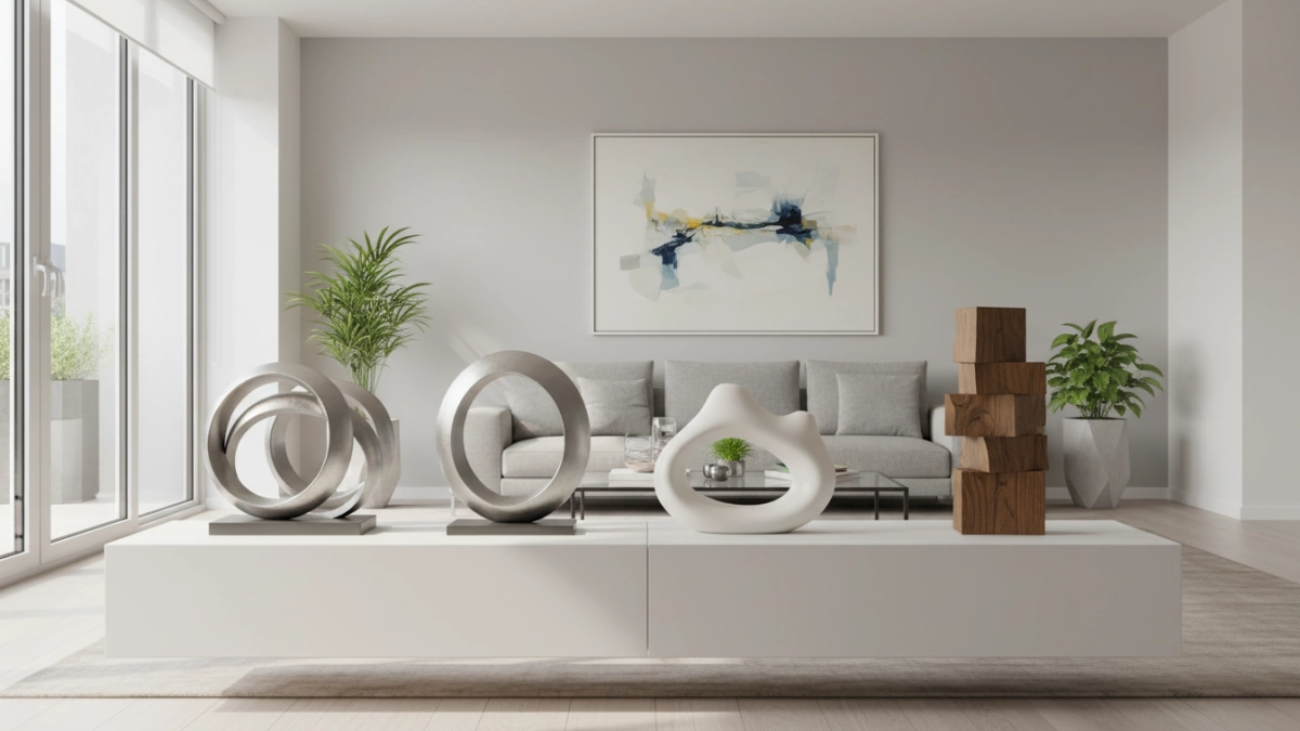
The Evolution of Abstract Art Sculptures
From Figurative to Abstract
When people ask me where abstract art sculptures really began, I always go back to early 20th‑century modernism. Sculptors started breaking away from realistic, figurative bodies and faces and focused instead on pure form, line, and volume. Instead of copying nature, they began to simplify, distort, and reduce shapes to their essence—this is where modern abstract sculpture truly took root.
Key Modern Movements
Several major movements reshaped sculpture into the abstract 3D art we recognize today:
- Cubism – Broke objects into geometric planes, leading directly to geometric abstract sculpture with fragmented, angular structures.
- Constructivism – Treated sculpture as engineered form, using industrial materials and open frameworks, ideal for abstract metal sculpture and large public work.
- Surrealism – Introduced dreamlike, fluid, and subconscious shapes, paving the way for biomorphic sculpture and abstract figurative sculpture.
- Abstract Expressionism – Shifted focus to gesture, energy, and emotion, influencing sculptors to create raw, expressive forms and textured abstract art sculptures.
Post‑War: Biomorphic, Minimal, Kinetic
After World War II, abstract sculpture diversified:
- Biomorphic forms – Soft, organic curves, often seen in Henry Moore sculptures and similar works that feel both human and landscape.
- Minimalism – Clean lines, simple geometry, and industrial materials; this is where minimalist abstract sculpture and large-scale abstract art in steel and concrete gained strength.
- Kinetic abstract art – Moving sculptures, mobiles, and works activated by wind or motors, like Alexander Calder mobiles, turning sculpture into an ever‑changing experience.
These directions opened the door for outdoor abstract sculptures, abstract garden sculptures, and permanent public abstract art installations around the world.
Contemporary: New Materials and Digital Tools
Today, contemporary abstract art sculptures combine tradition with technology:
- Materials – Stainless steel, bronze, resin, glass, recycled metals, and mixed media for both indoor abstract sculpture decor and modern outdoor metal sculptures.
- Digital design – 3D modeling and CNC fabrication let us create complex, fluid forms and precise geometric structures that were nearly impossible by hand.
- Custom sculpture commissions – Collectors, architects, and brands now work directly with studios like ours to design bespoke abstract stainless steel sculptures, custom bronze sculpture, and abstract public art tailored to specific spaces.
The result is a global landscape of modern abstract sculptures—from intimate abstract bronze statues for the home to monumental, interactive installations that redefine how we move through public space.
Iconic Abstract Art Sculptures and Artists
Pioneering abstract sculptors: Brâncusi, Henry Moore, Barbara Hepworth
When people talk about abstract art sculptures, these three names always come up first:
- Constantin Brâncusi pushed sculpture toward pure, clean forms – smooth, geometric abstract sculpture that feels timeless and almost weightless.
- Henry Moore sculptures brought powerful, organic shapes and hollowed‑out forms that changed how we see the human body and landscape in modern abstract sculpture.
- Barbara Hepworth refined this language with calm, biomorphic sculpture and pierced forms that feel both architectural and intimate.
Their work still guides how we design modern abstract art sculptures for homes, offices, and public spaces today.
Mid‑century masters: Calder, Arp, Louise Bourgeois
Mid‑century artists pushed abstract sculpture into motion, emotion, and play:
- Alexander Calder mobiles introduced true kinetic abstract art – floating, balanced forms that gently move with air and light.
- Jean Arp created soft, rounded abstract 3D art that feels almost like stones shaped by nature.
- Louise Bourgeois blended abstract figurative sculpture with psychology and memory, using organic forms that feel deeply personal.
Their influence is obvious in today’s abstract metal sculpture and minimalist abstract sculpture we see in galleries and high‑end interiors.
Contemporary abstract sculpture artists
Today, big names in contemporary abstract art sculptures keep pushing scale and materials:
- Anish Kapoor works with mirror‑polished steel and deep color to create immersive, reflective forms.
- Richard Serra uses massive sheets of weathered steel to build bold public abstract art installations that you walk through, not just look at.
- Damien Hirst mixes abstract fine art sculpture with concepts, using materials like glass, metal, and found objects to question luxury, value, and belief.
Their approach is a strong reference point when I design modern outdoor metal sculptures and investment abstract sculptures for clients who want museum‑level presence.
New wave: large‑scale, interactive, experiential works
The new wave of contemporary abstract sculpture artists focuses on experience, not just form:
- Huge large‑scale abstract art pieces in plazas and city centers.
- Interactive outdoor abstract sculptures that invite touch, reflection, and movement.
- Light‑based, mirrored, or polished abstract stainless steel sculpture that reacts to weather and viewers.
For these works, I often use modular metal structures or custom sculpture commissions in corten and stainless steel, similar to our customized corten and stainless steel sculpture projects that are built to perform outdoors and become landmarks over time:
- High durability
- Strong visual impact
- Low maintenance
This is the direction serious collectors, designers, and city planners are moving in when they think about abstract public art and long‑term cultural investment.
Abstract Art Sculpture Materials and Techniques
Traditional materials: bronze, stone, wood
For modern abstract sculpture, I still rely a lot on classic materials:
- Bronze abstract sculptures – strong, detailed, and premium. Great for both abstract figurative sculpture and pure geometric forms.
- Stone (marble, granite, limestone) – solid, timeless, ideal for minimalist abstract sculpture and biomorphic sculpture with soft curves.
- Wood – warm, organic, perfect for smaller indoor abstract sculpture decor and modern art sculpture for home.
These materials bring weight, presence, and a sense of fine art craftsmanship that never dates.
Modern abstract art sculpture materials
For contemporary abstract art sculptures, I mix in modern options to match today’s spaces:
- Stainless steel – shiny or brushed, ideal for abstract stainless steel sculpture, outdoor abstract sculptures, and large scale abstract art.
- Resin and fiberglass – lighter, flexible in color and shape, great for bold abstract 3D art.
- Glass – reflective, fragile-looking but powerful in light-driven installations.
- Recycled metal & mixed media – industrial, edgy, perfect for abstract metal sculpture and public abstract art installations.
If you like an industrial look, pairing these with abstract metal wall art is a strong move for modern interiors.
Bronze abstract sculptures: indoor vs outdoor
Bronze remains my go-to for high-end, investment abstract sculptures because:
- Durability – it handles weather, time, and public use very well.
- Patina – bronze naturally develops a rich surface colour outdoors; we can also control patina for a specific tone.
- Indoor vs outdoor – indoors, bronze holds a cleaner finish; outdoors, it becomes more rustic and sculptural over time.
If you’re comparing options, this guide on how bronze sculpture combines modern design with traditional skills helps clarify why bronze is still the top choice for custom bronze sculpture and modern outdoor metal sculptures: bronze sculpture is a beautiful combination of modern design and traditional skills.
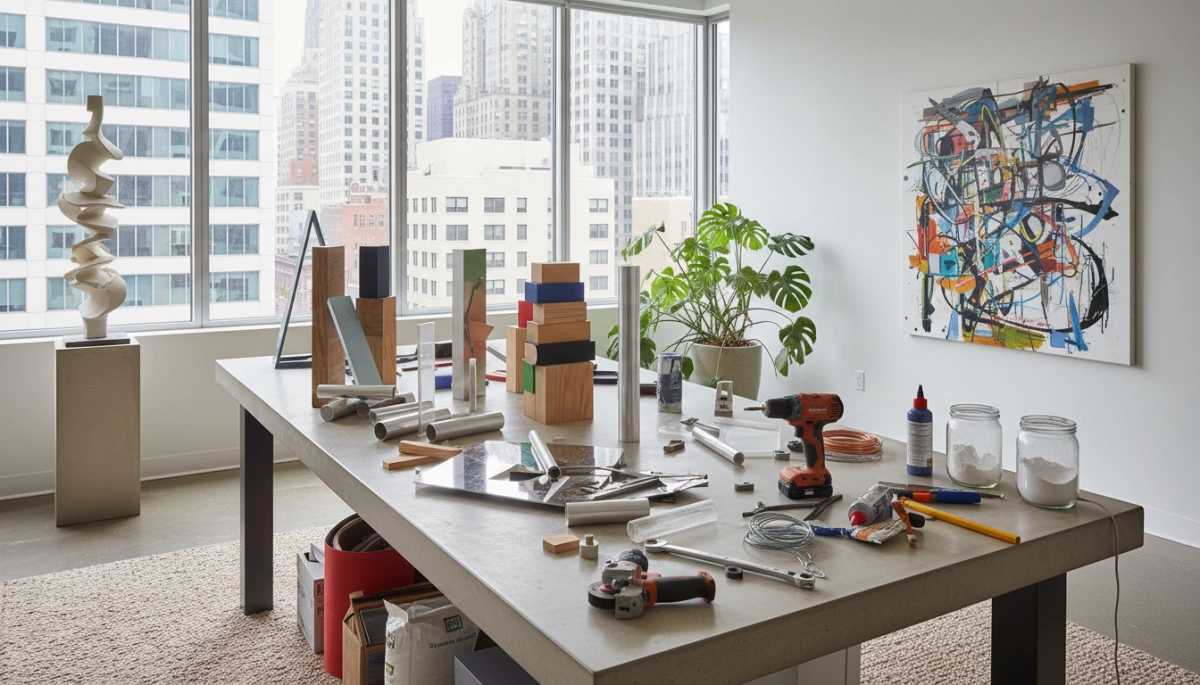
How abstract sculptures are made
In my studio, most custom sculpture commissions follow four core steps:
- Modeling – sketching, then building a 3D model in clay, foam, or digital 3D for geometric abstract sculpture and kinetic abstract art.
- Casting – for abstract bronze statue or custom bronze sculpture, we use lost-wax casting through a professional foundry.
- Fabrication – cutting, welding, grinding, and polishing metal for modern outdoor metal sculptures, abstract garden sculptures, and abstract wall sculpture.
- Finishing & installation prep – patina, paint, clear coat, plus making bases, anchor points, and fixing systems for indoor and outdoor use.
Every abstract fine art sculpture we produce is built with installation and long-term care in mind, so it works just as well in a home, hotel lobby, corporate plaza, or public abstract art setting.
Abstract Art Sculptures in Interior and Exterior Design
Using Abstract Art Sculptures as Focal Points
Abstract art sculptures are one of the fastest ways to give a modern space a strong visual anchor. A single modern abstract sculpture in the right spot can:
- Pull together colours, textures, and furniture styles
- Add a sense of movement and energy to clean, minimalist interiors
- Create a clear focal point in open‑plan homes, hotels, lobbies, and offices
I always tell clients: choose one main abstract art sculpture per space to act as the “hero” and let everything else support it.
Indoor Abstract Sculpture Decor
For interiors, I usually break indoor abstract sculpture decor into three types:
- Tabletop abstract 3D art
- Small bronze abstract sculptures or biomorphic sculptures on consoles, coffee tables, shelves
- Great for apartments, offices, and reception areas
- Abstract wall sculptures
- Perfect when floor space is limited
- A bold abstract wall sculpture can replace a painting and still feel like a true abstract fine art sculpture
- Statement pieces
- Tall geometric abstract sculptures or minimalist abstract sculptures in entries, stair halls, or double‑height living rooms
- Think of them as permanent “installations” that define how the room feels
If you’re leaning toward metal indoors, a polished abstract stainless steel sculpture or a warm abstract bronze statue works well in modern homes and high‑end commercial spaces.
Outdoor Abstract Art Sculptures
For exteriors, the rules change a bit. Outdoor abstract sculptures need to look good from multiple angles, stand up to weather, and hold their presence in open space.
Popular options I see global clients choose:
- Abstract garden sculptures in bronze, Corten steel, or stainless steel
- Modern outdoor metal sculptures for hotel entries, plazas, and business parks
- Abstract public art installations that double as landmarks in city squares and waterfronts
Durable metals are key outdoors. For example, a mirror‑finished abstract stainless steel sculpture reads as ultra‑modern, while weathered steel or wrought iron gives a more industrial vibe. If you’re curious about metal options, our overview of wrought iron sculptures as a mix of old and new art forms is a solid starting point:
wrought iron sculptures – a mix of old and new art forms
Placement Tips: Scale, Lighting, Architecture
Where you place an abstract art sculpture matters as much as which one you buy. I usually check four things:
- Scale
- In interiors: the sculpture should be large enough to read from across the room, but not so big it blocks circulation
- Outdoors: go larger than you think; landscapes and big façades visually “shrink” objects
- Lighting
- Use spotlights or track lights to emphasise form, texture, and shadows
- Highly reflective pieces, like a polished head or figure in metal, look incredible under directional light. A good example is our golden stainless steel head sculpture, where lighting dramatically changes the mood:
golden stainless steel head sculpture
- Harmony with architecture
- Clean, modern buildings pair well with minimalist abstract sculpture and bold geometric forms
- Organic, curved buildings work nicely with biomorphic sculpture and softer lines
- Sightlines and flow
- Place sculptures where people naturally pause: entries, corridor ends, garden nodes
- Avoid blocking key paths; let people move around the piece to experience it from multiple angles
Done right, abstract art sculptures become part of the architecture—shaping how people move, feel, and remember a space, both indoors and outdoors.
Why Invest in Abstract Art Sculptures
Emotional + Intellectual Value
Abstract art sculptures do something pure paintings often can’t: they change the energy of a space in 3D.
- They trigger personal interpretation instead of telling you what to think.
- They spark daily reflection, curiosity, and conversation at home or in the office.
- Forms like geometric abstract sculpture or biomorphic sculpture work across cultures and styles, so they stay relevant as your taste evolves.
| Benefit | What You Feel/Experience |
|---|---|
| Emotional connection | Calm, focus, inspiration, pride |
| Intellectual stimulation | New ideas, different readings over time |
| Social impact | Conversation starter, brand image booster |
Abstract Art Sculptures as Long‑Term Investments
Quality modern abstract sculpture can be a serious long‑term asset, not just decor.
- Works by famous abstract sculptors or strong emerging names often hold or grow in value.
- Durable media like bronze abstract sculptures and stainless steel age well and support long investment horizons.
- Limited editions and abstract fine art sculpture with clear provenance tend to perform best on the secondary market.
| Factor | Why It Matters |
|---|---|
| Material | Bronze/steel = long life + stable value |
| Artist reputation | Directly affects resale price |
| Edition size | Scarcer = generally more collectible |
Personalized & Bespoke Abstract Sculptures
If you want something that reflects you or your brand, custom sculpture commissions are the way to go.
- For homes: a modern art sculpture for home that fits your layout, colors, and lifestyle.
- For businesses: a large scale abstract art piece that echoes your brand story, lobby architecture, or company values.
- Bespoke abstract bronze statues or abstract metal sculpture can include custom dimensions, patinas, and themes.
Common bespoke requests:
- Company logo distilled into minimalist abstract sculpture
- Family story translated into a biomorphic sculpture
- Signature abstract garden sculptures for estates or resorts
Why Work With Expert Studios & Manufacturers
Working directly with a specialist modern sculpture manufacturer or studio changes everything.
- You get guidance on materials, scale, installation, and maintenance from day one.
- Professional teams handle modeling, casting, and fabrication, whether it’s a small indoor piece or modern outdoor metal sculptures for a plaza.
- Experienced foundries produce high‑quality custom bronze sculpture, with proper structure for outdoor/public use.
If you’re considering bronze, partnering with a studio that understands patina and aging will help you source or create well‑made bronze statues that last decades, similar in quality to museum‑grade bronze sculptures.
In short: investing in contemporary abstract art sculptures gives you emotional value today, visual impact every day, and real asset potential over the long term.
How to Choose or Commission Abstract Art Sculptures
Key factors when choosing abstract art sculptures
When I help clients pick an abstract art sculpture, I always narrow it down to four things: size, material, style, and budget.
| Factor | What to Think About | Quick Tip |
|---|---|---|
| Size | Room scale, ceiling height, distance to view | Measure first; leave “breathing space” around the piece |
| Material | Indoor vs outdoor, climate, weight | Bronze and stainless steel are ideal for long‑term, low‑risk use |
| Style | Geometric, biomorphic, minimalist, kinetic, figurative | Match your interior architecture and brand personality |
| Budget | Purchase price + delivery + installation | Keep 10–20% aside for installation and insurance |
- For modern abstract sculpture in homes, smaller indoor abstract sculpture decor (40–100 cm) works best.
- For public abstract art installations, go large‑scale and durable: abstract stainless steel sculpture or bronze abstract sculptures.
Where to buy abstract art sculptures
You’ve got three main channels, each with pros and cons:
| Where to Buy | Pros | Cons |
|---|---|---|
| Galleries | Curated, vetted artists, help with selection | Higher commissions, limited negotiation |
| Online platforms / studios | Wide choice, easy price comparison, global shipping | You must check credibility and return policy |
| Direct from artists / foundries | Best for custom sculpture commissions, flexible pricing | Requires more time and communication |
If you’re leaning toward bronze, start with a specialist studio that understands casting, pricing, and patina. A guide like this complete guide to the cost of bronze sculpture can help you plan budget and expectations realistically.
Step‑by‑step: commissioning custom abstract sculptures
Here’s the simple roadmap I use with clients for bespoke and custom bronze sculpture projects:
- Define the brief
- Size (H × W × D), location (indoor/outdoor), style (minimalist, geometric, biomorphic).
- Purpose: home feature, hotel lobby, corporate logo‑inspired form, abstract public art.
- Budget and timeline
- Set a clear range (for example, $5k–$20k or $50k+ for large scale).
- Agree on delivery date and installation window.
- Concept + sketch phase
- The sculptor sends sketches / 3D renders / small abstract 3D art maquette.
- You give feedback and lock in the final direction.
- Contract and deposit
- Sign off on design, materials, finish (polished, patinated, painted).
- Pay deposit (usually 30–50%).
- Production
- Modeling, casting or fabrication, surface finishing.
- For modern outdoor metal sculptures, factor in weather‑resistant coatings.
- Approval + shipping
- You review final photos/video or visit in person.
- Balance payment, professional packing, and freight arranged.
- Installation
- Use qualified installers, especially for heavy abstract metal sculpture or tall works.
- Confirm foundations, anchors, and safety clearances.
Installation, maintenance, and long‑term care
Practical details make or break the experience with contemporary abstract art sculptures.
Installation basics
- Check weight, access routes, door widths, and elevator limits.
- For outdoor abstract sculptures, plan:
- Concrete footing or steel base plate
- Wind load and public safety
- Permits for public spaces
Maintenance
| Material | Care Level | Notes |
|---|---|---|
| Bronze | Low–medium | Develops patina; occasional cleaning and waxing keep it rich and classy. A well‑finished bronze statue can stay beautiful for decades. |
| Stainless steel | Low | Wipe with mild soap and water; ideal for coastal or humid climates. Polished stainless, like this mirror‑polished cast stainless steel sculpture, is popular for luxury projects. |
| Wood / mixed media | Medium–high | Best indoors, avoid high humidity and direct sun. |
Long‑term care checklist
- Add sculptures to your insurance policy.
- Keep invoices, certificates, and commission contracts.
- Schedule a simple annual check: stability, surface condition, and any corrosion.
Handled correctly, investment abstract sculptures can hold or grow in value, while also transforming your space—whether it’s a private garden, hotel courtyard, corporate lobby, or city plaza.

 English
  German
  French
  Italian
  Panjabi
  Chinese
  Spanish
  Arabic
  Hindi
Hindi