
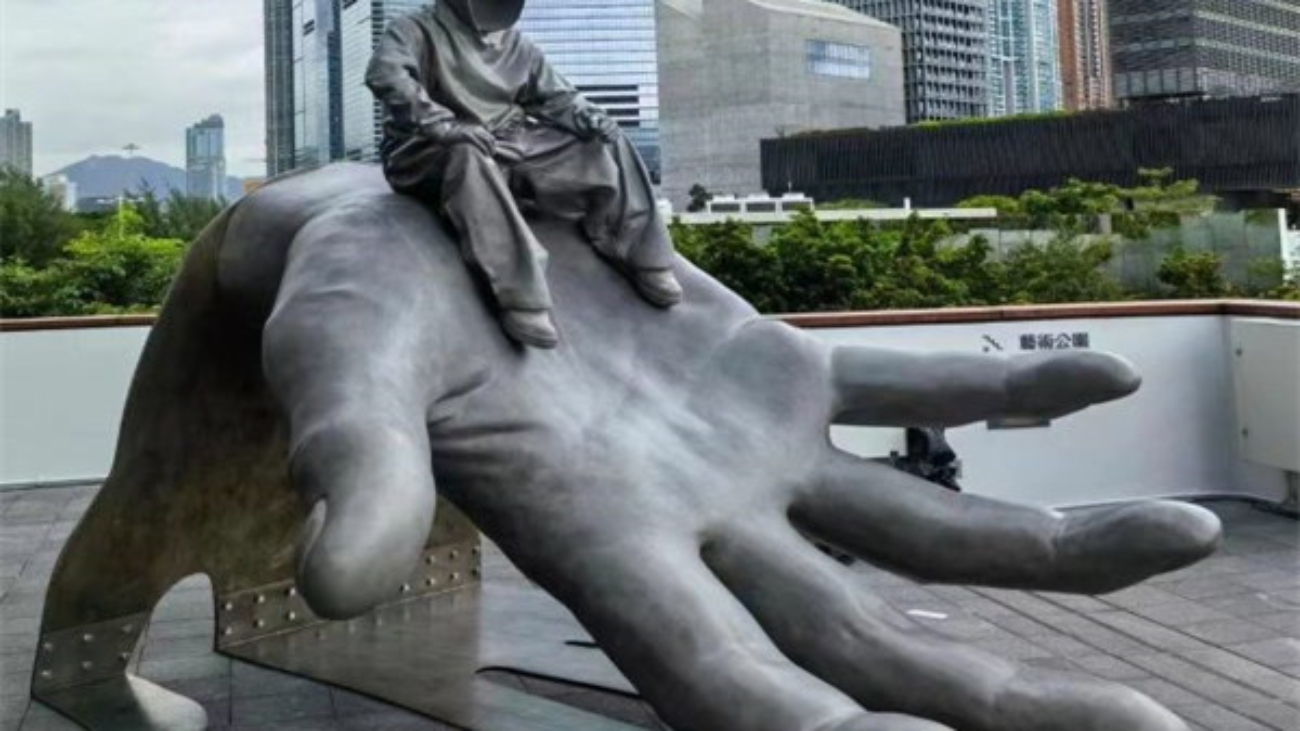
Understanding Fiberglass Sculpture
If you’re asking how to make fiberglass sculpture, the first thing I look at is the material itself. Fiberglass reinforced plastic (FRP) is a composite made from fiberglass fibers + resin. In plain terms, it’s a strong, shaped skin that can hold detail without adding a lot of weight.
What FRP Means
| Term | Simple meaning |
|---|---|
| FRP | Fiberglass Reinforced Plastic |
| Fiberglass cloth | The reinforcing layer |
| Resin | The hardening binder |
| Layup | Layering the material into a mold |
Why I Use Fiberglass for Sculpture
- Lightweight — easier to move, install, and ship
- Durable — holds up well in indoor and outdoor use
- Versatile — works for smooth forms, fine detail, and large shapes
- Cost-effective — good for custom fiberglass sculpture services and repeat production
- Repairable — useful for fiberglass sculpture repair if damage happens
Common Uses in Professional Sculpture Making
- Public art and monuments
- Museum displays
- Theme park figures
- Architectural features
- Making fiberglass statues for retail, branding, and events
- Large-scale fiberglass sculpture production for multiple copies
Quick Take
Fiberglass is a smart choice when I need a sculpture that is strong, light, and repeatable. That’s why the FRP sculpture process is so common in modern fiberglass sculpture tutorial workflows and turnkey sculpture fabrication services.
Planning and Designing Your Fiberglass Sculpture
I start every fiberglass sculpture tutorial with a clear concept. A quick sketch helps me lock in the shape, pose, and scale before I move into 3D modeling for sculpture.
Sketch the Idea First
- Draw front, side, and top views
- Mark key details that need to show in the final piece
- Keep the design simple if the sculpture will be large-scale
Build a 3D Digital Model
For from 3D digital model to physical FRP sculpture, I usually work in tools like Blender, Rhino, or ZBrush. A solid digital model helps me check proportions, thickness, and weak points before I commit to the FRP sculpture process.
Plan Size and Structure
I always map out:
- Final dimensions
- Wall thickness
- Internal support points
- Weight limits for shipping, install, and display
That matters a lot for making fiberglass statues that need to hold up in real U.S. commercial spaces, galleries, or outdoor installs.
Pick the Right Mold Type
The mold choice depends on the build:
- Full mold for simple, single-form pieces
- Hollow mold for lighter fiberglass sculpture materials
- Modular mold for large or complex shapes
For custom fiberglass sculpture services and large-scale fiberglass sculpture production, I usually recommend a modular approach when the piece needs easier handling and cleaner assembly.
Creating a Master Model for Fiberglass Sculpture
I start with a master model because this is the base shape for the whole fiberglass sculpture tutorial process. For DIY fiberglass sculpture work, I usually pick clay, foam, or wax depending on the size and detail level.
Best Materials
- Clay: best for fine detail and easy shaping
- Foam: lightweight and fast for larger forms
- Wax: good for smooth surfaces and small refinements
Shaping Tips
- Block in the main form first
- Check proportions from every angle
- Keep edges clean and simple for better FRP sculpture process results
Surface Finishing
- Sand or smooth the surface before molding
- Add texture only where needed
- Seal small flaws early so the final fiberglass sculpture finishing comes out cleaner
A well-built master model makes fiberglass mold making easier and gives me better control over the final statue shape.
Developing the Mold for a Fiberglass Sculpture
When I make a fiberglass sculpture mold, I start by choosing the right material for the job. Silicone works well for fine detail and easy release, plaster is a solid option for simple shapes, and fiberglass molds are best when I need something tough for repeated use. For larger jobs, I focus on custom mold development that can handle the stress of the FRP sculpture process.
Mold Fabrication Basics
My fiberglass mold making process stays simple and controlled:
- Seal and prep the master model so the surface stays clean.
- Apply a mold release agent to help with demolding.
- Build the mold in sections if the shape has undercuts or deep details.
- Reinforce the outer shell so the mold keeps its shape.
- Let it cure fully before separating it from the master.
Durable Mold Tips
To keep the mold strong and easy to reuse, I always:
- Use a smooth master model with no rough edges
- Add proper draft angles where possible
- Apply multiple thin layers instead of one heavy layer
- Mark alignment points clearly for clean reassembly
- Choose the right release system to avoid sticking
Negative and Positive Molds
A negative mold captures the exact outside surface of the sculpture, which is what I usually need for making fiberglass statues. A positive mold is the raised form and is useful for planning, testing proportions, or making a master copy. For clean results, I keep both the mold and the mold line simple, especially when I’m aiming for from 3D digital model to physical FRP sculpture accuracy.
Preparing for Fiberglass Layup
Before I start the FRP sculpture process, I make sure the mold is clean, dry, and fully sealed. Good fiberglass mold making depends on solid surface prep, so I apply the right mold release and check every edge for dust, pinholes, or old resin residue.
Materials I Gather
For a smooth DIY fiberglass sculpture setup, I keep these fiberglass sculpture materials ready:
- Fiberglass cloth or mat
- Resin and hardener
- Fillers and putty
- Mixing cups, brushes, rollers
- Gloves, respirator, and safety glasses
Safety First
I always work in a well-ventilated space because resin fumes build up fast. For fiberglass sculpture safety tips, I keep my PPE on at all times and avoid skin contact with uncured resin. If I’m working on a larger piece, I also plan for easy movement around the mold so the resin and fiberglass techniques stay controlled and even.
Fiberglass Fabrication Process
Resin Mix
I mix the resin and hardener exactly to the label ratio, because off-measure mixing can ruin the FRP sculpture process fast. For fiberglass sculpture materials, I always wear gloves, a respirator, and eye protection, and I work with strong airflow.
Layup and Coverage
I lay the fiberglass cloth into the mold in clean, flat sections, then wet it out with resin using a brush or roller. For even coverage, I press out air bubbles and keep the resin thin, not sloppy. That’s the core of solid resin and fiberglass techniques.
Layer Build-Up
I build layers slowly to get the right thickness and strength for making fiberglass statues. Thin detail areas need careful reinforcement, while larger forms may need extra passes for durability. This is where good fiberglass sculpture tools really matter.
Cure Control
Curing time depends on the resin type, room temperature, and humidity. I keep the mold in a stable, dry space for the best results, since heat swings can mess with the finish and strength. For reliable DIY fiberglass sculpture work, steady conditions win every time.
Demolding and Surface Finishing

Remove the Mold Cleanly
I always demold a hardened fiberglass sculpture slowly and with steady pressure. Rushing this step can crack edges or damage fine detail, especially on a DIY fiberglass sculpture or FRP sculpture process piece.
Trim the Excess
Once it’s out, I cut away flash, rough seams, and extra resin with simple fiberglass sculpture tools like snips, utility blades, and sanding blocks. Clean edges matter before any real finish work starts.
Smooth the Surface
For fiberglass sculpture finishing, I use this basic order:
- Sand to knock down high spots
- Fill pinholes, seams, and low areas
- Polish for a cleaner final surface
This is the part that makes making fiberglass statues look professional instead of handmade in a rushed way.
Finish for the Final Look
After smoothing, I add whatever the project needs:
- Paint for color and detail
- Polish for shine
- Protective coatings for UV and weather resistance
For fiberglass sculpture repair or outdoor work in the U.S., that last protective layer helps the sculpture hold up longer in sun, rain, and temperature swings.
Advanced Fiberglass Sculpture Techniques
When I make a fiberglass sculpture, I plan for strength early, not at the end. For larger pieces, I add internal supports like wood frames, steel tubing, or foam cores so the FRP sculpture process stays stable and does not warp over time.
Digital Fabrication for Accuracy
I also use 3D modeling for sculpture and 3D printing when I need sharp detail or a repeatable form. A printed part can be used as a master detail, a mold insert, or even part of the final DIY fiberglass sculpture build.
High-Detail Finishing Tips
For clean results, I focus on:
- Thin, even resin and fiberglass techniques
- Careful sanding between layers
- Lightweight fillers for seams and pinholes
- Smooth primer before paint
- Protective coatings for indoor or outdoor use
For large-scale fiberglass sculpture production, I keep the surface simple where possible and build detail in stages. That gives me better control, cleaner edges, and a stronger final finish.
Professional Production for Fiberglass Sculpture
When I need large-scale fiberglass sculpture production, I think about factory-style output when the project calls for:
- Multiple replicas
- Tight deadlines
- Consistent quality
- Public or commercial installs
- Complex FRP sculpture process work
When It Makes Sense
| Need | Best Fit |
|---|---|
| One-off art piece | Small studio build |
| 5+ copies | Custom mold development |
| Big outdoor install | Factory-scale production line |
| Fast delivery | Turnkey sculpture fabrication services |
What I Get From Pro Services
- From 3D digital model to physical FRP sculpture
- Custom mold development for artists
- Fiberglass sculpture materials matched to the job
- Strong fiberglass sculpture finishing
- Less waste, fewer mistakes, better repeatability
For artists and institutions, working with a team like Artvision Sculpture Group can save time and keep the final piece consistent across every copy. I also value the support for fiberglass sculpture repair and long-run maintenance when a piece is built for public display.
Why It Works
- Faster production
- Cleaner results
- Better control over size and detail
- Easier scaling for museums, campuses, brands, and cities
- More reliable turnkey sculpture fabrication from start to finish
Fiberglass Sculpture Safety Tips
When I make a fiberglass sculpture or handle the FRP sculpture process, I treat safety like part of the job. Resins, hardeners, and solvents can irritate skin, eyes, and lungs, so I always measure them carefully and keep the lids closed when I’m not using them.
Basic Safety Rules
- Wear gloves, goggles, and a respirator
- Work in a well-ventilated space
- Keep resin off bare skin
- Store chemicals away from heat and open flame
Waste Disposal
I dispose of leftover resin, solvent rags, and contaminated materials as hazardous waste based on local U.S. rules. I never pour chemicals down a drain or toss wet material in regular trash. For fiberglass sculpture materials and cleanup, safe handling matters just as much as the build itself.

 English
  German
  French
  Italian
  Panjabi
  Chinese
  Spanish
  Arabic
  Hindi
Hindi