
Deciding Your Medium: Comparative Analysis of Sculptural Metals
Choosing the right metal changes everything. When I work on a new sculpture with metal, the choice isn’t just about aesthetics—it dictates the fabrication process, structural longevity, and how the piece interacts with its environment. Different metals serve distinct artistic and functional goals, especially for high-impact installations.
Key Properties of Sculptural Metals
| Metal Type | Primary Benefit | Best Used For | Surface Finish Options |
|---|---|---|---|
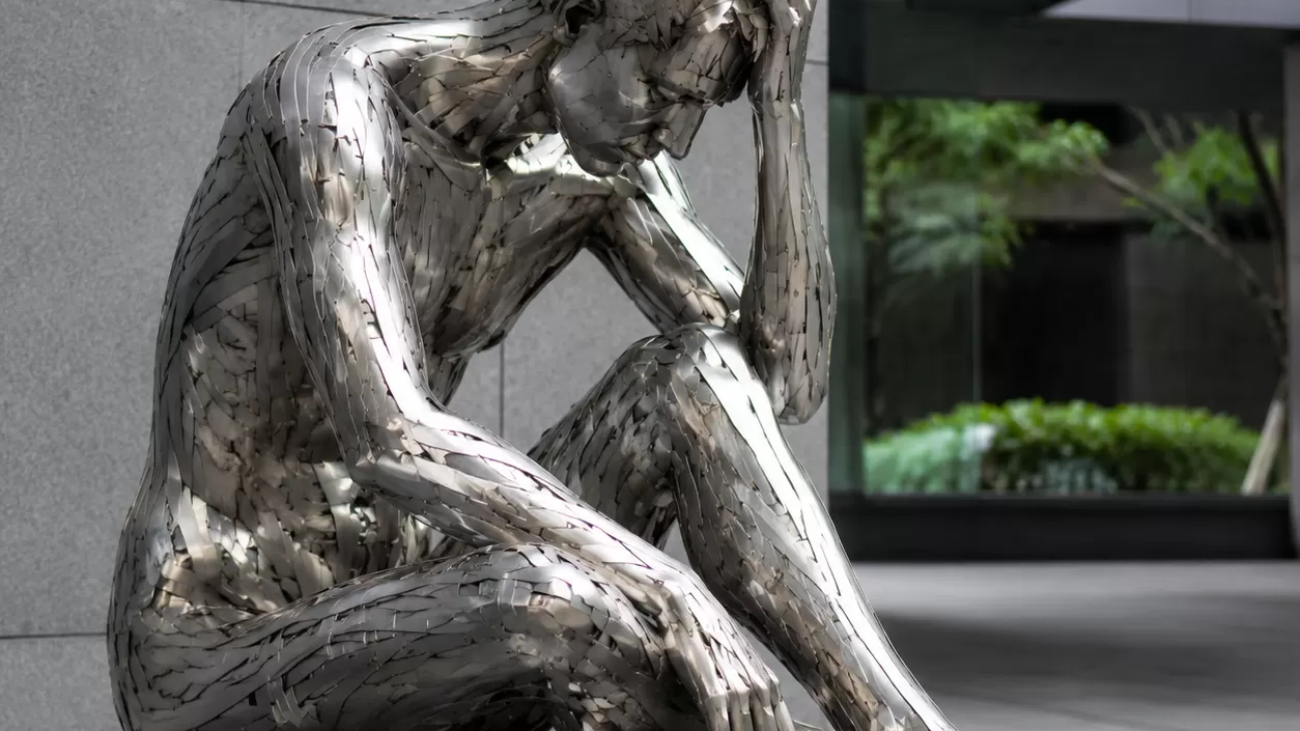
| Stainless Steel | Ultimate corrosion resistance | Modern outdoor installations | Mirror-polishing, brushing |
| Bronze & Copper | Classical heritage, rich aging | Traditional statuary, public art | Lost-wax casting, hot patinas |
| Cor-Ten Steel | Organic, self-protecting rust | Modernist public art spaces | Stable, weathered oxidation |
| Aluminum | Extreme lightweight strength | Suspended indoor installations | Anodizing, powder coating |
Stainless Steel Outdoor Installations
Stainless steel reigns supreme in modern public art. Its high chromium content creates a naturally passive layer that blocks rust, making it the top choice for harsh outdoor environments.
- Visual Impact: Excellent mirror-polishing capabilities allow the metal to reflect surrounding light and architecture.
- Durability: Virtually zero maintenance required over decades of exposure to rain and snow.
Bronze Metal Casting Process
Bronze and copper alloys bridge the gap between ancient tradition and modern endurance. Utilizing the precise lost-wax casting method, this medium captures incredible detail from the artist’s original mold.
- Living Finish: Exposure to the elements triggers a natural chemical patination, causing the surface to evolve into deep greens, rich browns, and complex blacks.
- Prestige: It remains the industry standard for custom metal statuary foundry production.
Cor-Ten Weathering Steel
For an industrial, earthy aesthetic, carbon steel and Cor-Ten (weathering steel) offer unmatched character. Instead of degrading, Cor-Ten develops a dense, protective rust layer when exposed to the weather.
- Self-Shielding: The outer oxidation skin seals the underlying steel, halting deep structural corrosion.
- Modernist Appeal: Widely popularized by monumental public art installations for its raw, changing textures.
Aluminum Advantages
When structural load limits are tight, aluminum is the go-to alternative. It delivers incredible structural integrity at a fraction of the weight of steel or bronze.
- Indoor Versatility: Ideal for massive, suspended indoor installations where ceiling weight capacity is a major concern.
- Color Customization: Accepts advanced anodizing options and powder coatings, locking in vibrant colors that won’t fade.
The Core Mechanics of Creating Sculpture with Metal
Bringing a complex design to life requires a deep mastery of physical and thermal manipulation. In our production facilities, we transform raw sheets, rods, and heavy plates into permanent art using precise industrial workflows.
The Art of Thermal Fusion: Welding Techniques
When building structural stability into welded metal art projects, choosing the right welding process dictates both the strength and clean aesthetics of the final piece.
- MIG Welding for Sculpture (GMAW): This is our go-to for rapid structural build-up and joining variable metal thicknesses. It provides excellent deposition rates and strong structural bonds, making it ideal for large internal heavy frameworks.
- TIG Welding (GTAW): When executing delicate designs or working with visible cosmetic seams on stainless steel or aluminum, TIG is indispensable. It offers precise heat control, producing clean, ultra-refined welds that require minimal clean-up.
Subtractive and Shaping Methods
Before any fusion happens, the raw material must be cut and formed into its proper geometry. We balance heavy physical manipulation with high-tech accuracy to shape every component.
- Plasma Cutting Architectural Art vs. CNC Machining: Industrial plasma cutters allow us to slice through thick carbon steel plates with incredible speed, while CNC machining tackles highly complex, tight-tolerance components for complex structural frameworks.
- Sheet Metal Fabrication Techniques: Beyond mechanical cutting, we utilize traditional forging and cold bending. Hand-hammering and mechanical rolling alter the grain structure of the metal, adding organic curves and structural rigidity to flat sheets.
The Foundational Tooling Setup for Refining Texture
The fabrication process doesn’t end when the welding stops. The raw form requires extensive mechanical refinement to prepare the surface for its final presentation. Angle grinders, pneumatic sanders, and specialized deburring disks are essential for knocking down weld beads, blending seams, and establishing the foundational texture. Whether preparing a raw piece for chemical patination or working toward a flawless, mirror-polished cast stainless steel sculpture, this labor-intensive grinding and finishing stage sets the standard for professional quality.
Engineering for Scale: Structural Integrity in Public Art
Creating a large-scale sculpture with metal requires balancing artistic vision with rigorous structural engineering. When transitioning from studio pieces to monumental public installations, the physical forces acting on the artwork change dramatically. Ensuring safety and longevity in a public plaza means planning for environmental stresses from day one.
The Physics of Monumental Sculpture
A monumental outdoor installation must withstand much more than just its own weight. Engineering a large-scale commission sculpture requires precise calculations to handle real-world physics:
- Gravity Loads: Calculating the dead load of the heavy metal distribution to prevent buckling or warping over time.
- Structural Wind Resistance: Estimating the sail area of the sculpture to ensure it can survive high-velocity winds and aerodynamic drag.
- Seismic Compliance: Engineering the piece to absorb and withstand ground motion shocks according to local United States building codes.
The Anchor System and Internal Support
A beautiful exterior means nothing without a hidden, heavy-duty skeleton. To keep a massive steel sculpture permanently stable, we design comprehensive support systems from the ground up:
| Component | Purpose | Key Considerations |
|---|---|---|
| Concrete Footings | Subterranean structural foundation | Depth must surpass the local frost line; poured to match engineered weight specifications. |
| Inner Armatures | Hidden structural framework | Typically fabricated from heavy-gauge carbon steel or structural tubing to reinforce weak points. |
| Mounting Brackets | Connecting the sculpture to the base | High-tensile anchor bolts and thick base plates designed to distribute load forces evenly. |
Navigating Public Commissions
Bringing a large-scale metal artwork to life in a municipal space requires seamless collaboration. As fabrication experts, we help artists navigate the complex relationships between municipal planning boards, city inspectors, and structural engineers. We ensure that every piece of structural engineering in public art meets strict safety mandates without compromising the original aesthetic intent of the design.
Metal Patination and Surface Finishing: Chemistry Meets Art
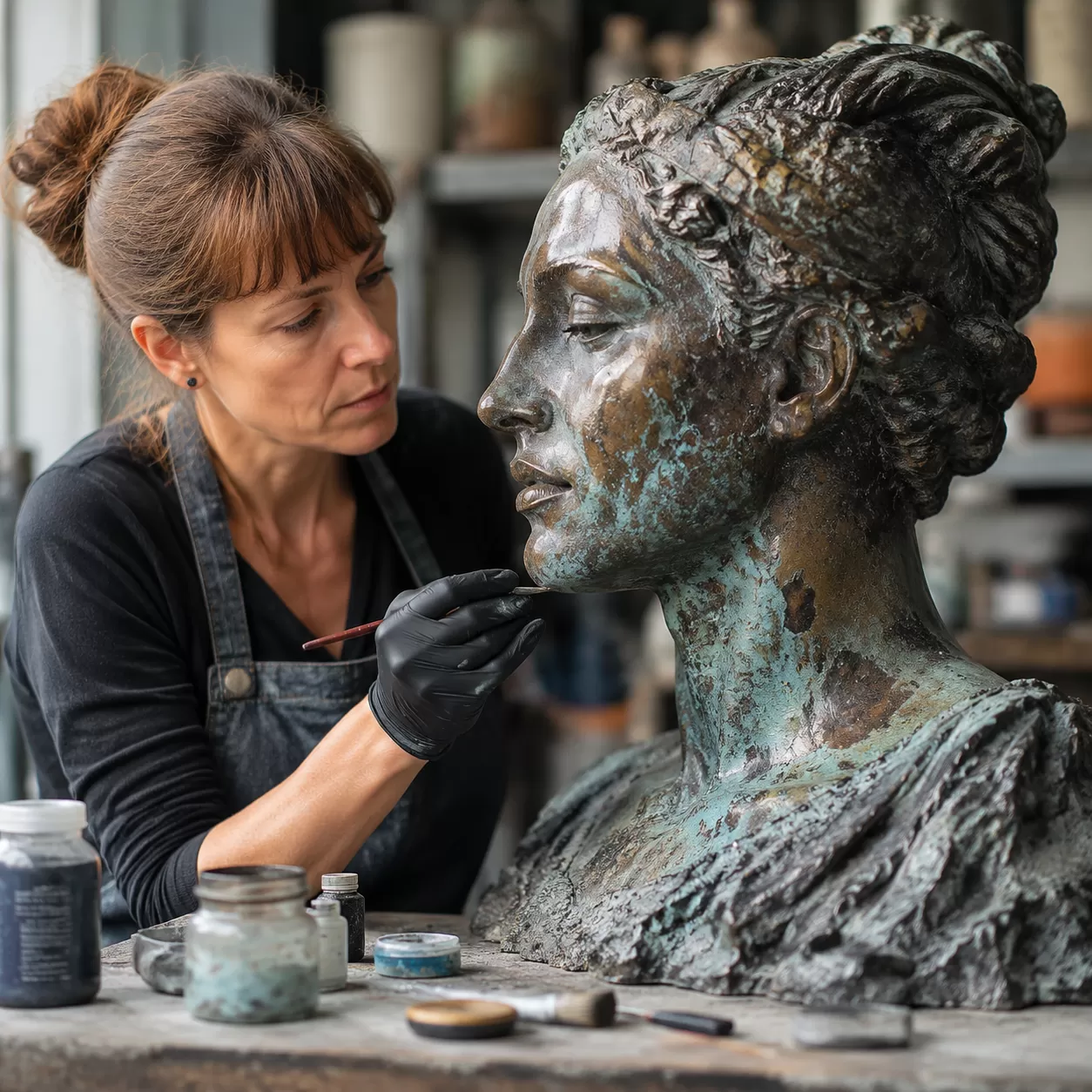
The final look of a sculpture with metal depends entirely on how we treat its surface. By understanding surface chemistry, we can completely transform raw fabrication into a striking visual statement while ensuring the artwork survives the elements.
Chemical Patination
Patination is the art of controlled oxidation. Instead of waiting decades for nature to take its course, we use specific chemical applications to achieve rich, immediate colors on metals like bronze, copper, and steel:
- Liver of Sulfur: Creates deep, rich browns and intense blacks.
- Cupric Nitrate: Applied with heat to develop classical, vibrant green tarnish and verdigris tones.
- Ferric Nitrate: Yields warm, golden-brown to deep rust hues.
Mechanical and Industrial Coatings
When the design calls for a sleek, modern aesthetic or absolute protection, mechanical finishes and industrial coatings are the go-to solutions:
- Mirror Polishing: Highly reflective, flawless finishes that are incredibly popular for modern patina stainless steel whale sculpture projects and abstract public art.
- Sandblasting: Creates a uniform, matte texture that eliminates reflections and prepares the metal for superior coating adhesion.
- Powder Coating: A baked-on polymer finish that provides an incredibly durable, vibrant, and uniform color layer.
- UV-Resistant Clear Coats: Shield underlying patinas from fading or breaking down under harsh sunlight.
| Finishing Type | Visual Effect | Best Used For |
|---|---|---|
| Chemical Patina | Organic, earthy, multi-toned | Bronze castings, traditional monuments |
| Mirror Polish | Ultra-reflective, futuristic | Stainless steel outdoor installations |
| Powder Coating | Bold, solid colors, matte/gloss | Geometric steel structures, indoor art |
Metal Artwork Restoration and Conservation
Outdoor metal sculptures face constant threats from acid rain, UV rays, wildlife, and industrial pollution. Preventative conservation protocols are vital to preserving the artist’s original intent. We apply specialized, high-grade microcrystalline waxes and polyurethane sealants to seal the metal pores. Routine maintenance—including gentle washing with non-ionic detergents and periodic re-waxing—stops destructive corrosion before it can compromise the structural metal beneath the surface.
Scaling Production: Partnering with a Specialized Art Foundry
There comes a point in every sculptor’s career when hand-held angle grinders and small studio welders hit their limit. When your physical space, lifting capacity, or deadline constraints threaten to hold back your vision, it is time to transition from the private studio to industrial-scale fabrication.
When to Transition from Studio to Factory
| Studio Bottlenecks | Industrial Solutions |
|---|---|
| Overhead hoist limits under 1 ton | Heavy-duty gantry cranes and industrial rigging |
| Manual sheet metal bending and cutting | High-precision CNC plasma and waterjet cutting |
| Limited kiln space for pouring large metals | Large-capacity furnaces for massive scale casting |
| Insufficient space for multi-ton public works | Dedicated assembly bays for large-scale commission sculpture |
The Benefits of OEM Contract Manufacturing for Artists
Contract manufacturing isn’t about losing your artistic voice; it is about amplifying it. Utilizing OEM contract manufacturing for artists gives you direct access to heavy industrial machinery and advanced engineering teams without the massive capital investment.
- Mass Scaling: Replicate editions with flawless consistency.
- Structural Peace of Mind: Professional welding engineers ensure your work complies with local United States public safety codes.
- Advanced Material Sourcing: Get direct access to certified structural metals, premium alloys, and specialised industrial coatings.
The Artvision Approach to Custom Fabrication
As a direct metal sculpture manufacturer, Artvision Sculpture Group bridges the gap between raw artist design and flawless industrial execution. We understand the unique challenges American artists face when scaling up for public plazas, corporate parks, or gallery exhibitions.
Our specialized custom metal statuary foundry services rely on precision-engineered contract manufacturing to preserve your finest artistic nuances. Whether your design requires the timeless tradition of a lost-wax casting bronze sculpture or complex hand-forged patina copper statues, our facility manages the heavy lifting. We translate your maquettes or digital CAD files into monumental realities, handling everything from structural engineering reviews to the final chemical surface finishing.

 English
  German
  French
  Italian
  Panjabi
  Chinese
  Spanish
  Arabic
  Hindi
Hindi