
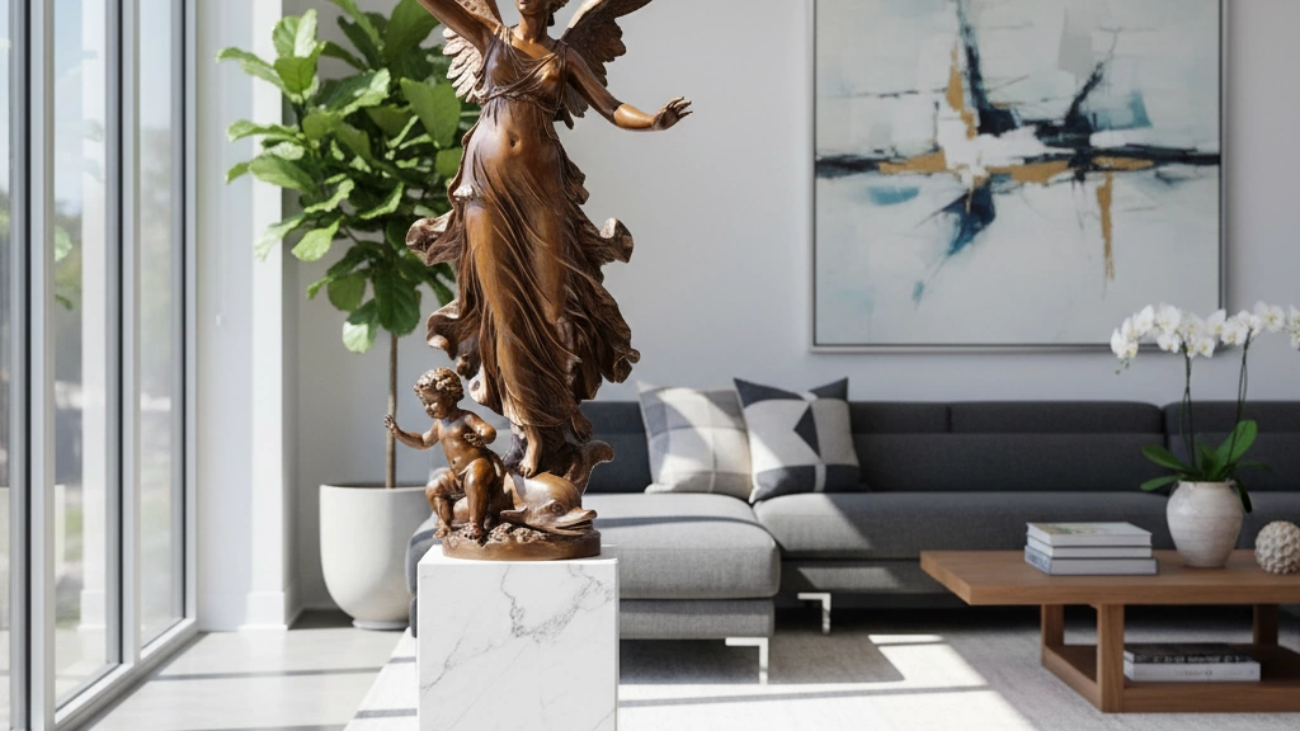
If you’ve ever stopped in front of a Moreau bronze sculpture and felt time slow down, you’re not alone.
Collectors, designers, and serious art lovers are all hunting for the same things right now:
authentic Hippolyte Moreau bronze works, reliable identification tips, and clear guidance on values, originality, and high‑quality reproductions.
But here’s the problem: the market is flooded with reproductions, mislabeled pieces, and vague descriptions. One “H. Moreau bronze” on an online marketplace might be a Belle Époque treasure… and the next could be a cheap casting with a fake signature.
In this guide, you’ll learn exactly how to:
- Recognize a genuine Hippolyte Moreau bronze sculpture (and spot the red flags).
- Understand the differences between original 19th‑century bronzes and modern lost‑wax reproductions.
- Get realistic price ranges for popular models like Le Secret and L’Amour du Printemps.
- Discover where to buy museum‑quality Moreau bronzes with confidence today.
If you’re serious about collecting—or simply want one spectacular Moreau-style bronze for your home—this is your roadmap.
Let’s get straight into it.
Who Was Hippolyte Moreau?
If you’ve ever looked at a Moreau bronze sculpture and thought, “Why do these feel so soft, romantic, and ‘French’ in the best way?” you’re probably looking at the hand – or at least the design – of Hippolyte Moreau.
Born in 1832 in Dijon and active well into the early 1900s, Hippolyte worked right through the Belle Époque and died in 1927. That long career is one reason his bronzes are everywhere in today’s antique market – from small decorative figurines to serious collector pieces.
Short Biography Timeline (1832–1927)
- 1832 – Born in Dijon, Burgundy, into a family of sculptors.
- 1840s–1850s – Trains in his father’s studio; learns clay modeling, proportion, and classic French taste.
- Mid-1850s – Studies at the École des Beaux-Arts in Paris, absorbing academic technique and classical composition.
- 1860s–1900s – Exhibits at the Paris Salon; designs many of the romantic children and allegorical figures we see in bronze today.
- Late career (1900–1927) – Rides the wave of Belle Époque and early Art Nouveau, producing decorative, highly collectible models.
Family Training and Art School Roots
From a dealer’s perspective, what you see in a Hippolyte Moreau bronze sculpture is a blend of:
- Workshop training under his father – practical, hands-on skills, strong drawing, and solid anatomy.
- École des Beaux-Arts discipline – polished academic style, balanced poses, and clean, readable silhouettes.
This mix is why his pieces feel both decorative and serious: they look charming in a living room, but they’re built on real academic training.
Collaboration with the Moreau Family
Hippolyte didn’t work in isolation. He was part of the well-known Moreau family sculptors, including:
- Louis-Auguste Moreau (his brother)
- Mathurin Moreau (older brother, also very successful)
In practice, that meant:
- Different Moreaus sometimes modeled similar themes – children, nymphs, seasonal allegories.
- Foundries cast their works in parallel, so you’ll see “H. Moreau,” “L. & H. Moreau,” or just “Moreau” on bases.
- The “Moreau look” became a sort of family brand in 19th century French bronze.
Knowing this family context is key when you’re trying to separate Hippolyte from Louis-Auguste on the market.
His Signature Sculptural Style
When I handle a Hippolyte Moreau bronze, I look for three things:
- Romantic children – playful, idealized kids with soft, rounded faces, often with birds, flowers, or musical instruments.
- Allegorical figures – personifications of seasons, music, literature, or love, often titled in French: Le Printemps, L’Harmonie, etc.
- Belle Époque elegance – flowing dresses, easy body language, and a kind of gentle optimism in the expressions.
You rarely see harsh drama in his work. His bronzes are warm, decorative, and emotionally accessible, which is exactly why they work so well in modern interiors.
Art Nouveau Influence in His Bronzes
While Hippolyte is rooted in academic tradition, you can clearly see Art Nouveau influence in many of his pieces:
- Drapery that swirls and clings, almost like it’s moving in the wind.
- Organic movement – hair, fabric, ribbons, and branches curve in long, fluid lines.
- Decorative details – flowers, vines, and stylized bases that echo Art Nouveau bronze figurines from the early 1900s.
That blend of academic figure + Art Nouveau decoration is a big reason Hippolyte Moreau bronzes remain so popular with both collectors and interior designers in the US market today. They give you history, romance, and style in one object – and that’s exactly what serious buyers are looking for.
The Moreau Family Foundry System & Signature Marks
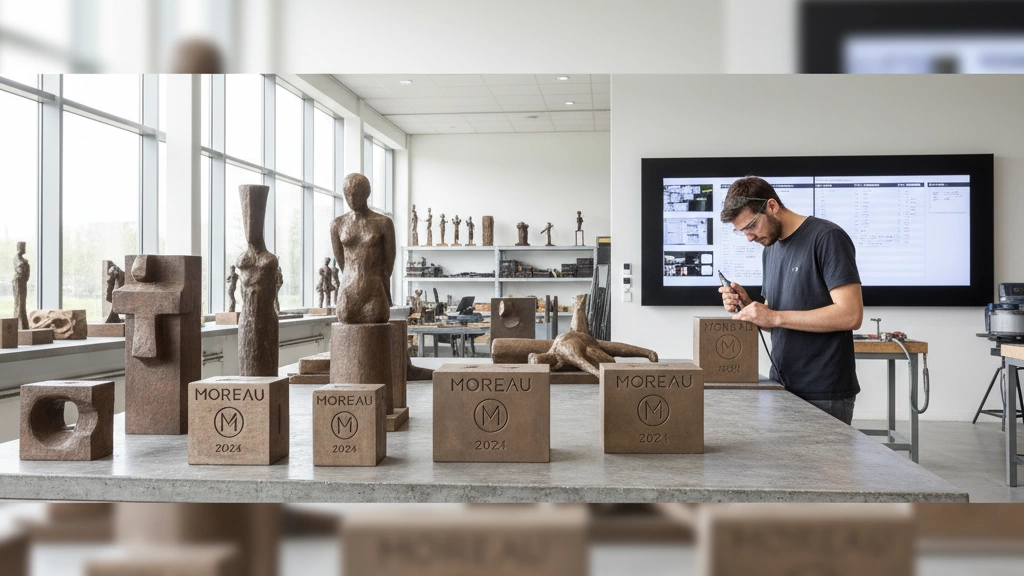
When you’re looking at a Moreau bronze sculpture, the signatures and stamps tell you almost everything you need to know. Here’s how I break it down when I’m buying or listing a piece for U.S. collectors.
How the Moreau Family Worked
The Moreau sculptors treated bronze like a small family “brand”:
- Modeling (the original artwork)
- Done by the artist: Hippolyte, Louis-Auguste, or Mathurin.
- They created the clay or plaster model with all the detail and expression.
- Casting (turning that model into bronze)
- Usually handled by major Paris foundries, not in-house.
- Used sand-cast or lost-wax methods depending on period and edition.
- Chasing & Finishing
- Fine details sharpened by specialist metalworkers.
- Patina (color) applied by foundry patineurs, which heavily affects value.
This division of labor is why two bronzes of the same model can look and price very differently.
Key French Foundries on Moreau Bronzes
These are the main names you’ll see on Hippolyte Moreau bronze sculpture bases in U.S. collections:
| Foundry Name | What It Means for Value & Quality |
|---|---|
| F. Barbedienne | Top-tier; crisp details, strong patina, higher prices |
| Thiebaut Frères | High quality; often medium to large decorative bronzes |
| Susse Frères | Well-finished, collectible, steady resale value |
| Valsuani, Colin, etc. | Later or smaller runs, quality can vary |
Look for these marks stamped on the base edge, side of the base, or occasionally on the back.
Common Hippolyte Moreau Signatures
On authentic pieces, you’ll usually see one of these:
- “Hippolyte Moreau” – often in script; more common on better or earlier casts
- “H. Moreau” – the most typical, compact and slightly slanted
- “Moreau” – simple last name; context and style matter a lot here
Placement:
- Usually on the top edge of the bronze base
- Sometimes on the side of the base or on a rock/ground element integrated into the sculpture
How Signatures & Marks Changed Over Time
As casting continued over decades, the look of signatures and stamps shifted:
- Earlier casts (late 19th century)
- Deeper, sharper signatures
- Clear, well-struck foundry marks
- Strong, even patina (medal-brown, dark brown, or subtle green)
- Later or posthumous casts
- Signatures can look shallower or slightly “soft”
- Foundry stamps sometimes smaller, off-center, or partly struck
- Patinas more uniform and “new,” sometimes overly glossy
These nuances matter a lot when I’m separating an antique from a later decorative cast.
Differences Between Hippolyte, Louis-Auguste & Others
Because the Moreau family sculptors reused the “Moreau” name, it’s easy to mix them up. Here’s a quick cheat sheet:
| Artist | Typical Signature | Common Subjects |
|---|---|---|
| Hippolyte Moreau | “Hippolyte Moreau”, “H. Moreau” | Romantic children, allegories, Belle Époque figures |
| Louis-Auguste Moreau | “L & A Moreau”, “Louis Moreau”, “L. & A. Moreau” | More decorative, often more theatrical |
| Mathurin Moreau | “Math. Moreau”, “Mathurin Moreau” | Larger public-style figures, classical themes |
Red flag: a vague “Moreau” alone with no clear stylistic match or poor-quality casting often means a later reproduction or misattribution.
If you’re in the U.S. and looking at French antique bronze identification, I always recommend:
- Confirm the artist signature matches the subject and style
- Verify the foundry mark (Barbedienne, Thiebaut Frères, Susse Frères, etc.)
- Compare depth and sharpness of both to trusted auction images (Christie’s, Sotheby’s, Bonhams)
That’s the foundation I use before I even start talking price on any Moreau bronze sculpture.
Most Famous Hippolyte Moreau Bronze Sculptures
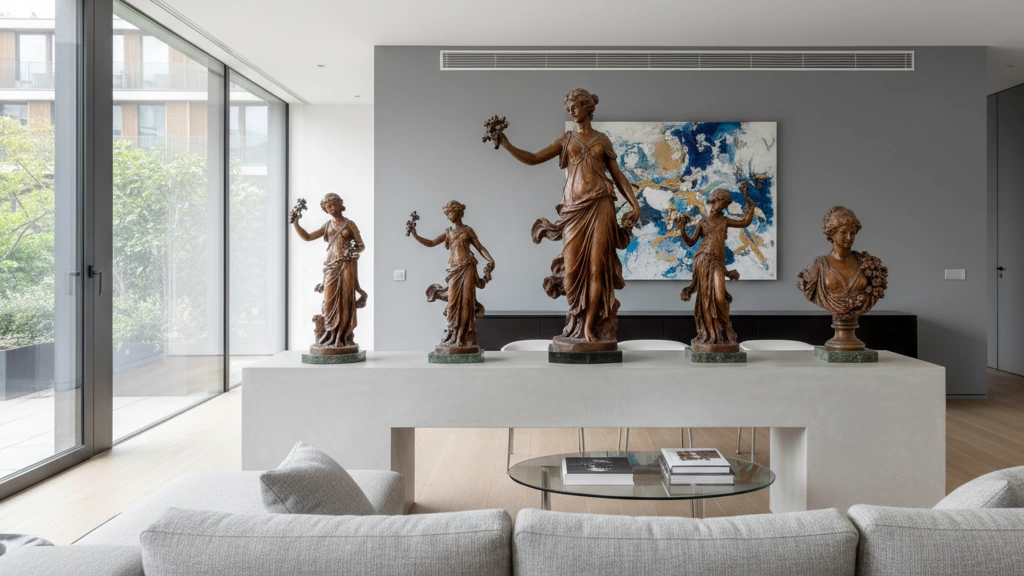
When people in the U.S. search for a Moreau bronze sculpture to anchor a room or start a serious collection, they usually land on a handful of classic Hippolyte Moreau models. These are romantic, story-driven bronzes that work just as well in a modern living room as they do in a traditional library.
Below is a quick guide to the key themes, designs, and current value ranges you’ll see most often on the market here.
Overview of Iconic Hippolyte Moreau Bronze Themes
Hippolyte Moreau bronze sculptures mostly focus on:
- Children and young women – playful, innocent, romantic
- Allegories of seasons and music – “Spring,” “Harmony,” “Love,” etc.
- Pastoral and rural scenes – fishermen, haymakers, readers, fairies
- Belle Époque and Art Nouveau details – flowing drapery, floral motifs, elegant movement
For U.S. buyers, these themes fit well in:
- Entry consoles and mantels
- Home libraries and offices
- Bedroom and living room accent tables
“Le Secret” Hippolyte Moreau Bronze Sculpture
Story & look
- Two young girls (or a girl and cherub) leaning in, sharing a secret
- Soft faces, flowing dresses, close, intimate pose
- Symbolizes innocence, trust, and friendship
Typical specs
| Feature | Common Details |
|---|---|
| Height | ~14–24 in (table-top size) |
| Material | Bronze, sometimes on marble base |
| Finish | Brown or medal patina, sometimes green |
Price range (U.S. market)
- Early/original foundry casts: ~$3,000–$8,000+ (quality & size driven)
- High-end later/lost-wax reproductions: ~$700–$2,500
“L’Amour du Printemps” Bronze by Hippolyte Moreau
Description & appeal
- Young woman with flowers, often with a light, upward gaze
- Strong romantic and springtime vibe—popular as a bedroom or entry piece in U.S. homes
- Represents youth, renewal, and love
Common specs
| Feature | Common Details |
|---|---|
| Height | ~18–30 in |
| Patina | Warm brown, sometimes green-tinted or parcel-gilt |
| Base | Marble or stone, round or shaped |
Price ranges
- Original 19th–early 20th c. casts: ~$4,000–$10,000+
- Later lost-wax casts: ~$900–$3,000
“La Fée aux Fleurs” (Fairy with Flowers)
Design & style
- Delicate fairy with wings and flowers
- Strong Art Nouveau feel: swirling lines, floral details, elegant pose
- Very decorative, works well in feminine interiors or garden rooms
How to spot the real thing
- Crisp facial features and fingers
- Clean, well-finished wings and flower details
- Clear “H. Moreau” or “Hippolyte Moreau” signature plus readable foundry stamp
- Generic fairy bronzes tend to have soft, blurry features and no real foundry mark
Current values
- Authentic foundry casts: roughly $3,000–$7,000+ (size/quality dependent)
- Decorative modern “fairy” bronzes in the style of Moreau: ~$300–$1,200
“Jeune Pêcheur” (Young Fisherman)
Character & mood
- Boy with fishing rod or catch, casual pose
- Shows youthful realism and rural charm
- Fits well in lake houses, coastal homes, or masculine studies
Typical specs
| Feature | Common Details |
|---|---|
| Height | ~16–24 in |
| Base | Bronze, marble, or stone plinth |
| Marks | “H. Moreau” + foundry (e.g., Susse) |
Price trends
- Good early casts: ~$2,500–$6,000
- Later or lighter castings: ~$600–$2,000
“Enfant à la Cage” (Child with Birdcage)
Visual mood
- Child holding a birdcage, often looking at or releasing the bird
- Gentle, slightly nostalgic feeling—freedom vs. protection
- Popular as a soft focal piece in hallways or kids’ rooms
What to look for
- Even, rich patina (not harshly stripped and re-lacquered)
- Sharp cage bars and clear bird details
- Smooth tooling on the face and hair
Estimated price range
- Fine, larger examples: ~$2,000–$5,000
- Smaller or average-quality pieces: ~$500–$1,800
“La Liseuse” (The Reader)
Why collectors love it
- Young woman or girl reading, calm, introspective pose
- Ideal for home libraries, offices, and book lovers
- Clean vertical line, easy to place on shelves and consoles
Early vs later casts
- Early casts: strong detail in pages, hair strands, and fabric folds
- Later/reproduction pieces: softer features, less defined edges, sometimes heavier sanding
Benchmarks
- Auction-quality early casts: ~$3,000–$9,000+
- Later decorative versions: ~$700–$2,500
“Le Nid” (The Nest)
Symbolism & layout
- Mother and child, or children with a bird’s nest
- Symbolizes family, care, and new beginnings
- Works well as a sentimental accent in family spaces
Patina & detailing impact
- Deep, layered patina can push the value notably higher
- Sharp leaves, nest, and hair detail are key signs of a better casting
Pricing today
- Original or early casts: ~$3,000–$8,000+
- Reproductions or later casts: ~$600–$2,200
“Baigneuse” (Bather)
Female figure treatment
- Graceful female nude or semi-draped bather
- Balanced between classical and Belle Époque sensuality
- Often used as a statement piece on credenzas or bathroom dressing areas
Usual specs
| Feature | Common Details |
|---|---|
| Height | ~18–28 in |
| Bases | Marble, stone, or bronze base |
| Patinas | Brown, medal finish, sometimes greenish |
Value spread
- Fine, well-patinated casts: ~$4,000–$10,000+
- Mediocre or tourist-grade casts: ~$500–$2,000
“Diane Chasseresse” (Diana the Huntress)
Classical roots
- Diana (Artemis) with bow, quiver, sometimes hound
- Strong classical references with Moreau’s softer romantic touch
- Good fit for traditional or neoclassical interiors
Foundry quality tells
- Clean, crisp arrow, bow, and facial features
- Good undercutting in hair and drapery
- Clear foundry marks like Barbedienne, Thiebaut Frères, Susse Frères
Price ranges
- Top-tier, early foundry casts: ~$5,000–$15,000+
- Later or generic versions: ~$900–$3,500
“Faneuse” (The Haymaker)
Rural romanticism
- Young woman with hay or a farming tool
- Feels like a scene from the French countryside—popular with U.S. buyers who like rustic or farmhouse-influenced decor
Tooling signs
- Sharp tooling: crisp folds in dress, clear fingers, detailed hay
- Worn tooling: smoothed surfaces, less definition = lower value
Recent values
- Good period casts: ~$2,500–$6,000
- Worn or later casts: ~$600–$2,000
“Le Printemps” (Spring)
Seasonal allegory
- Young woman or girl with flowers, garlands, or flowing drapery
- Decorative and bright—works well on mantels and console tables
Patinas & quirks
- Typically warm brown or brown-green patinas
- Some foundries show small variations in floral detail and base shape
Typical pricing
- Strong early casts: ~$3,000–$8,000+
- Later editions: ~$700–$2,500
“L’Harmonie” (Harmony)
Composition & emotion
- Figure with an instrument (often a lyre or similar)
- Calm, musical theme—ideal for music rooms, studios, and refined living rooms
- Combines Moreau’s romantic figure work with a clear musical narrative
Why musical themes sell
- Appeals to both art collectors and musicians
- Often chosen as a gift piece for music teachers or performers in the U.S.
Current value range
- Original or early foundry casts: ~$3,500–$9,000+
- Posthumous or modern lost-wax casts: ~$800–$3,000
Quick Snapshot: Typical Value Bands (U.S. Market)
| Type of Hippolyte Moreau Bronze Sculpture | Approx. Range (USD) |
|---|---|
| Small later/repro casts (tabletop) | $300–$1,200 |
| Good quality later/lost-wax casts | $700–$3,000 |
| Early/original foundry casts (medium–large) | $3,000–$10,000+ |
| Top-tier, rare, or large centerpiece sculptures | $10,000–$20,000+ (and up) |
If you’re looking to add a Moreau bronze sculpture to a U.S.-based home or collection, these are the key models and price brackets you’ll see most often. From there, the real difference in value comes down to casting quality, patina, and authenticity.
How to Identify an Authentic Hippolyte Moreau Bronze Sculpture
If you’re looking at a Moreau bronze sculpture—especially one signed “Hippolyte Moreau” or “H. Moreau”—you need to verify casting quality, signatures, and patina before you spend real money. Here’s exactly what I look at when I’m buying for U.S. clients.
Foundry Marks & Cachet Stamps
Real Hippolyte Moreau bronze sculptures were usually cast by serious Paris foundries, not anonymous workshops.
Look for:
- Foundry names like:
- F. Barbedienne Fondeur
- Thiebaut Frères
- Susse Frères
- Sometimes smaller Paris foundries or “Bronze Garanti au Titre”
- Placement:
- On the base edge, back of the base, or on a discreet flat area behind the figure
- Usually incised, stamped, or in raised letters
- Quality of stamp:
- Clean, sharp letters
- Even depth
- No wobble or double impressions
If the piece is “H. Moreau” with no foundry mark and no cachet at all, be cautious—especially if the casting looks soft.
Moreau Signature Style & Placement
Hippolyte used several variants:
- “Hippolyte Moreau” (script or block)
- “H. Moreau”
- Sometimes just “Moreau”
What I check:
- Location: Usually on the top of the base, near the figure’s feet or at the side
- Cut quality: Signature should look confident and fluid, not shaky or clumsy
- Integration: It should look like it was designed into the sculpture, not scratched on later
Misaligned, oversized, or awkwardly placed “H. Moreau” signatures are a big red flag.
Patina Types: Medal, Brown, Green, Parcel-Gilt
A true antique Hippolyte Moreau bronze will show a stable, layered patina:
- Medal patina: Warm medium brown, subtle highlights on high points
- Dark brown patina: Deep chocolate, often slightly glossy on raised areas from handling
- Green patina (vert): Olive to dark green, usually even and professional, not neon or blotchy
- Parcel-gilt: Select details gilded (hair, flowers, drapery edges), with natural mellowing and soft wear, not bright “new gold”
If the patina looks flat, uniform spray-paint-like, or super bright, assume later repaint or reproduction.
How Age & Cleaning Change Patina
Over 100+ years, genuine 19th century French bronze develops character:
- Natural signs of age:
- Soft rubs on noses, fingers, and high folds
- Slight color variation between protected and exposed areas
- Over-cleaned pieces:
- Metal looks raw or brassy
- Patina thinned or stripped in spots
- Bad cleaning methods (steel wool, harsh chemicals):
- Scratches, uneven shine, weird “patchy” color
A perfect, single-tone brown on a supposed 1890 bronze? That’s not how time works.
Chiseling & Finishing Quality
Original Moreau family sculptors worked with foundries that finished bronzes by hand:
On a real Hippolyte Moreau bronze you should see:
- Crisp detailing in:
- Hair strands
- Facial features
- Drapery folds
- Floral elements and accessories
- Clean seams: Mold lines almost invisible, chased and blended
- Neat underside: No big sharp sprues or rough, porous metal
Soft faces, blurry hair, and chunky fingers usually mean cheap later cast—often Far East.
Cold-Paint & Over-Painting
Some smaller French Art Nouveau bronze figurines had subtle cold-painted details:
- Period painting:
- Thin, selective (lips, eyes, small accessories)
- Aged and slightly worn
- Later over-paint:
- Thick, glossy, bright colors
- Paint pools in recesses
- Often used to hide casting flaws or patina damage
If it looks like someone used hobby paint or spray paint, walk away.
Red Flags: Fakes & Far East Reproductions
Common issues I see a lot in the U.S. market:
- Lightweight alloys: Feels too light for its size; real bronze is dense
- Poor seams: Heavy mold lines along arms, neck, or base left unchased
- Soft facial features: No expression, generic eyes, mushy lips
- Unconvincing bases: Cheap marble or resin, or metal base attached with sloppy screws
These are classic signs of mass-produced Far East reproductions marketed as “French bronze style.”
Misleading “H. Moreau” Signatures
The H. Moreau signature is heavily copied. Problem pieces often have:
- Signature that’s sharper than the sculpture details
- Different metal color in the signature line (added later)
- Wrong style compared to known examples
- Positioned in weird places (on the back of a leg, or underside of base)
When the signature looks better than the rest of the casting, assume it was added afterward.
Provenance, Invoices & Expert Appraisals
For serious value—especially above a few thousand dollars—I always push buyers toward paperwork:
- Provenance: Old invoices, gallery labels, shipping labels, estate papers
- Auction records: Lot tags or catalog entries from Christie’s, Sotheby’s, Bonhams, or reputable regional houses
- Professional appraisals: From a French bronze or 19th century sculpture specialist
This doesn’t just support authenticity—it directly affects resale and insurance value.
When to Call in a Pro
If any of this applies, bring in a specialist before
Current Market Value & Auction Records for Moreau Bronze Sculptures
The market value of Hippolyte Moreau bronze sculptures varies significantly based on size, subject, and the quality of the casting. Smaller decorative figurines tend to be more affordable, often ranging from a few hundred to a few thousand dollars, depending on the rarity and condition. In contrast, large centerpiece sculptures can fetch tens of thousands or more at auction, especially when they feature sought-after subjects or impeccable craftsmanship.
Subject Matter & Rarity Impact
The subject matter plays a key role in determining value. Romantic themes like “L’Amour du Printemps” and allegorical figures such as “La Fée aux Fleurs” tend to attract higher prices due to their popularity and the skill involved in their creation. Sculptures that are rare or feature unique design elements can also command premium prices.
Auction Results
Recent auction results, particularly from Christie’s, have shown a steady demand for Moreau bronzes, with prices ranging widely based on size and condition. In 2026-2025, Sotheby’s and Bonhams also hosted successful sales, with high-value pieces like Le Secret and Jeune Pêcheur reaching impressive bids, indicating ongoing collector interest. These sales demonstrate a strong market for both original and posthumous castings.
Comparison of Moreau Works
When comparing the prices of Hippolyte Moreau’s works to those of his brothers, Louis-Auguste and Mathurin, Hippolyte’s pieces often fetch slightly higher prices. This is due to his distinct style and the fact that he was more widely recognized during his lifetime.
Investment Potential
Investing in Hippolyte Moreau bronze sculptures today can be lucrative. The primary factors influencing long-term value include the condition, provenance, and casting period. Sculptures with a clear history of ownership and those from earlier casting periods typically see greater appreciation over time.
Influence of Online Sales
Online platforms are increasingly shaping the price trends for Moreau bronzes. Websites like eBay, Heritage Auctions, and other specialized marketplaces make it easier to buy and sell these sculptures. This has led to an increase in global demand, impacting overall market values. Buyers can also access valuable information to gauge authenticity, which influences pricing.
Antique Original vs Modern Lost-Wax Reproduction (A Moreau Bronze Sculpture)
When you’re looking at a Moreau bronze sculpture for your home or collection, you’re usually choosing between an antique original and a modern lost-wax reproduction. Both can be great options—it just depends on your budget, goals, and how you plan to use the piece.
Key differences: antique vs modern Moreau bronze
Antique original Hippolyte Moreau bronze sculptures (19th–early 20th century):
- Heavier feel, denser bronze, and “old world” hand-finishing
- Sharper detailing in faces, hair, fingers, drapery, and base decoration
- Authentic foundry marks (Barbedienne, Thiebaut Frères, Susse Frères, etc.)
- Deep, layered medal brown or green patina with natural wear on high points
- Often have visible chisel marks and fine tooling lines
Modern lost-wax reproductions (recent casts in Moreau style or after Moreau):
- Cleaner casting but sometimes softer detail and “flat” features
- Fresh, even patina that looks new and uniform
- Modern foundry marks or no foundry mark at all
- Often labeled “after H. Moreau”, “in the style of Moreau”, or just “Moreau” without period stamps
- Can be ordered in different sizes and patina colors
How to tell lifetime casts from later posthumous editions
When I’m checking a Hippolyte Moreau bronze sculpture, I look for:
- Date / period clues
- Lifetime cast: late 1800s–early 1900s, known foundries, tight detail
- Posthumous cast: softer edges, less crisp signatures, different patina approach
- Signature and foundry combo
- Lifetime: “Hippolyte Moreau” or “H. Moreau” with a recognized French foundry stamp
- Later: signature only, or foundry that worked much later, or generic “Made in France”
- Wear patterns
- Antique: honest wear on nose, fingers, high folds, and edges of the base
- Later: evenly dark or artificially rubbed to “fake” age
If you’re unsure whether your H. Moreau bronze is lifetime or later, that’s when I tell people to get a professional appraisal from someone who specializes in 19th century French bronze sculpture.
Pros and cons of an antique original Moreau bronze
Why U.S. collectors pay up for antique originals:
- Historical value – It’s part of Belle Époque art history, not just decor
- Investment upside – Quality originals can track or beat the broader art market over time
- Character – No two pieces age the same; the patina tells its own story
What you need to be ready for:
- Higher price – True antique Hippolyte Moreau bronzes are not cheap
- Conservation needs – You’ll want to avoid harsh cleaners, watch humidity, and maybe bring in a conservator if there’s corrosion or old repairs
- Risk of restoration – Over-polishing or re-patination in the past can affect value
If you’re building a serious collection or thinking long-term, an antique Moreau bronze sculpture makes more sense.
Pros and cons of a high-end modern Moreau-style reproduction
A modern lost-wax reproduction or Moreau-style bronze can be the smarter play if you’re focused on décor and durability:
Upsides:
- Fresh patina – Clean, even color; you’re not inheriting someone else’s damage
- Structural integrity – No hidden cracks, repairs, or loose mounts
- Customization – You can pick size, patina color, and base material (marble, stone, or metal)
- Better value for larger pieces – You can get a big statement piece for a fraction of antique prices
Trade-offs:
- Limited historical / investment value
- Needs to be clearly labeled as a reproduction or “after Moreau” to avoid future confusion
For U.S. homeowners and designers who just want that Belle Époque, Art Nouveau look in a living room, office, or hotel lobby, I usually steer them to a museum-quality reproduction—it’s practical and stress-free.
Why most “Moreau bronzes” on the market are later casts
Most pieces you see online labeled “H. Moreau” or “a Moreau bronze sculpture” are:
- Later French casts from the mid-20th century
- Modern decorative reproductions, including some from Far East foundries
- Works “after Moreau” using his themes and poses, not direct period castings
Original lifetime pieces exist, but they’re a smaller slice of the market and usually show up at major auction houses or established dealers, not random online listings with vague descriptions.
Legal and ethical basics of Moreau reproductions
Reproduction itself isn’t the problem. The problem is misleading buyers.
- Ethically, any modern cast should be described as a reproduction or “after Hippolyte Moreau”
- Signatures should not be altered to imitate antique originals
- Dealers should not imply 19th-century origin if it’s a recent foundry piece
If I produce or sell Moreau-style bronze sculptures, I’m very clear: it’s a custom lost-wax bronze inspired by Hippolyte Moreau, not a 19th-century original. That transparency protects both you and the market.
How to buy a reproduction that respects copyright and attribution
When you’re shopping for a Moreau bronze reproduction in the U.S., here’s what I’d ask every time:
- Is this an original-period casting or a modern reproduction?
- How is it signed? (Look for “after Moreau”, “in the style of”, or clear studio branding.)
- Who made it, and where? (Ask for foundry info or studio certificate.)
- Is the description clear about age and origin in writing?
From my side, when we offer custom Moreau-inspired bronze sculptures:
- We never market them as antique originals
- We clearly mark them with our own studio or brand name, plus date
- We give you paperwork stating it’s a modern lost-wax reproduction, meant for décor and long-term enjoyment
That way, you get the look and feel of a Moreau bronze sculpture—with modern reliability—without any confusion about what you’re buying.
Where to Buy a Museum-Quality Moreau Bronze Sculpture
When searching for a high-quality Hippolyte Moreau bronze sculpture, it’s essential to go through trusted sources to ensure authenticity and value.
Reputable International Auction Houses
Top auction houses like Christie’s, Sotheby’s, and Bonhams frequently feature Moreau bronzes. These venues offer pieces with verifiable provenance and expert appraisal, giving you peace of mind about the quality and authenticity of the sculptures.
Established Paris and London Galleries
Specialist galleries in Paris and London are another great option. These galleries often showcase Moreau’s works in curated collections and offer personalized advice on selecting authentic pieces.
Vetted Online Platforms
For convenient online shopping, turn to reputable platforms that focus on French antique bronzes. Websites with solid reputations, such as 1stDibs and Artnet, allow you to browse pieces backed by trusted dealers, giving you access to a global market while maintaining authenticity checks.
Questions to Ask Dealers
Before purchasing, ask dealers:
- Is the sculpture signed and accompanied by a certificate of authenticity?
- What is the sculpture’s provenance (history of ownership)?
- Has the piece been restored?
- What foundry produced it, and can you see clear foundry marks?
Commissioning a Custom Moreau-Inspired Bronze
If you’re interested in a custom piece, consider working with specialist studios that offer Moreau-style lost-wax bronze sculptures. Expect the studio to guide you through the design process, ensuring that the final piece reflects the elegance and charm of Moreau’s work while maintaining its artistic integrity.
Caring for Your Moreau Bronze Sculpture
When you bring a Moreau bronze sculpture into your home, you’re not just buying decor—you’re holding a piece of French art history. The good news: with simple habits, you can keep it looking sharp and protect its value.
Day-to-Day Cleaning for Hippolyte Moreau Bronze
For everyday care, less is more:
- Dust weekly with a soft, dry microfiber cloth or clean makeup brush.
- For light grime, use a slightly damp cloth, then wipe dry right away.
- Avoid scrubbing details like faces, fingers, drapery, and decorative Art Nouveau elements—those are where value lives.
Products and Tools to Avoid on Bronze Patina
Patina is part of the sculpture’s charm and value. Don’t strip it:
- Never use: metal polish, Brasso, ammonia, vinegar, glass cleaner, or household degreasers.
- Avoid: abrasive pads, paper towels, scrub brushes, steel wool, or polishing wheels.
- Skip any “miracle shine” products from big-box stores. If it says “removes tarnish,” it will destroy the patina.
Ideal Display Conditions (Light, Humidity, Handling)
In a typical U.S. home, a few simple rules go a long way:
- Light:
- Keep out of direct sun to avoid uneven fading and drying of wax.
- Normal indoor light is fine.
- Humidity:
- Aim for 40–60% indoor humidity.
- Avoid damp basements, bathrooms, or right over humidifiers.
- Handling:
- Lift from the base, not from arms, branches, or figures.
- Use clean, dry hands or cotton gloves to avoid fingerprints and skin oils.
Preventing Scratches, Corrosion, and Color Changes
Think in terms of protection, not polishing:
- Place felt pads under the base to avoid scratching furniture and the bronze.
- Keep away from open windows, kitchen grease, and fireplaces—soot and moisture can attack the surface.
- If you want extra protection, a light coat of museum-quality microcrystalline wax (applied once a year) can help seal the patina—just keep it thin and buff gently with a soft cloth.
When to Call a Professional Conservator
Don’t DIY major fixes on a Hippolyte Moreau bronze sculpture:
- Call a pro if you see:
- Active green/blue powdery spots (possible corrosion).
- Flaking patina or bare metal showing through.
- Bends, cracks, broken fingers, or loose joints.
- For high-value pieces (original Le Secret, La Liseuse, etc.), always get a qualified conservator or experienced bronze restorer—not a general “repair shop.”
Long-Term Care for Your Moreau Bronze Investment
Treat your Moreau bronze figurine like the investment it is:
- Document it: keep invoices, appraisals, and photos of condition.
- Move it rarely: pick a safe, stable display spot, away from high-traffic areas and kids’ play zones.
- Insure it: if the value is significant, talk to your insurance agent about a rider for fine art.
- Every few years, have a trusted expert or conservator check condition, especially if you plan to sell, appraise, or pass it on.
Handled right, a Moreau bronze will outlast all of us—and still look ready for a museum pedestal.


 English
  German
  French
  Italian
  Panjabi
  Chinese
  Spanish
  Arabic
  Hindi
Hindi
Add a Comment