
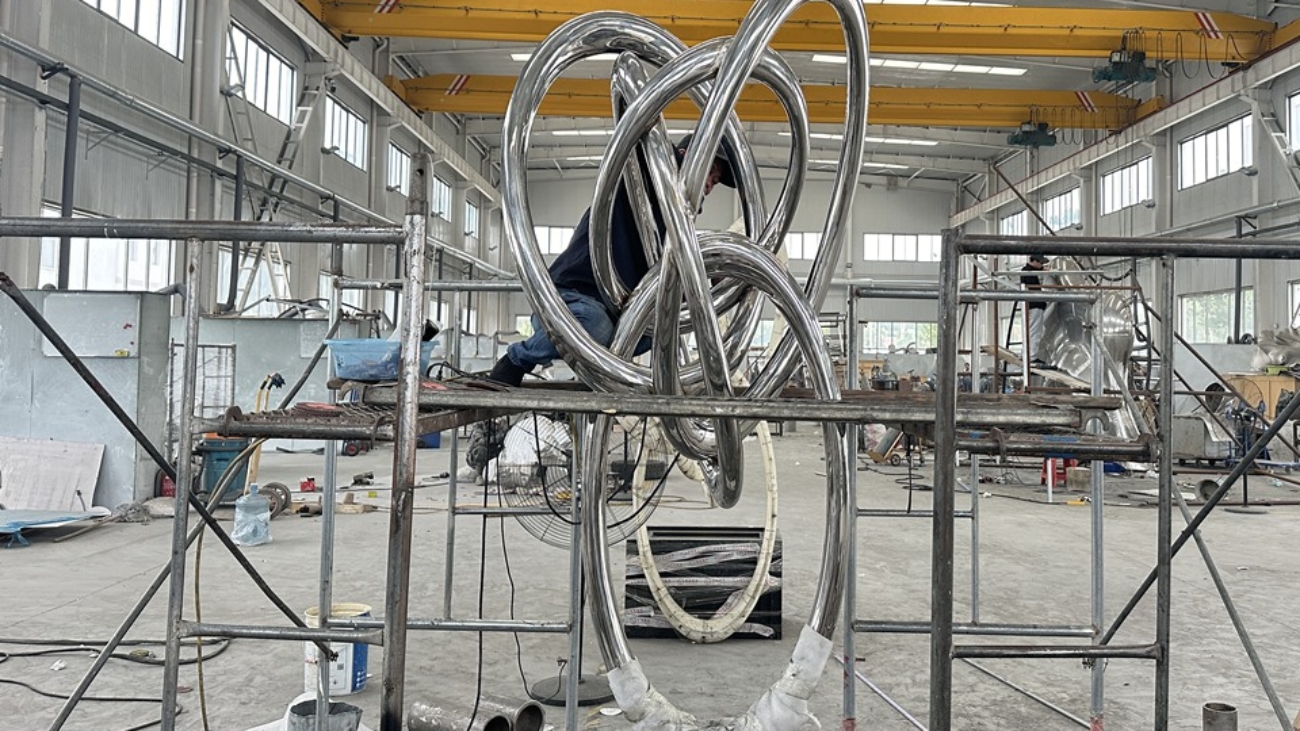
Why Choose Metal for Art Sculptures?
Ever looked at a stunning garden statue and wondered, “Will this actually survive the winter?” or “Is this going to rust into a mess in five years?” We hear these concerns daily. When you invest in art, you want permanence, not a maintenance headache. This is exactly why we champion art sculpture metal work at Artvision Sculpture Group. Metal isn’t just a material; it is a statement of longevity and modern elegance.
Unmatched Durability and Weather Resistance
Unlike wood that rots or stone that can crack during freeze-thaw cycles, high-quality metal stands its ground. We engineer our pieces to handle the harsh realities of the outdoors.
- Weatherproof: Materials like 316L stainless steel are impervious to rain, snow, and UV rays.
- Structural Integrity: Metal supports dynamic, gravity-defying shapes that would crumble if made from ceramic or plaster.
- Low Maintenance: A durable outdoor art sculpture made of metal typically requires nothing more than an occasional wash to maintain its pristine look.
Aesthetic Versatility: From Mirror Polish to Patina
Metal offers visual effects that other materials simply cannot achieve. We can manipulate the surface to create distinct moods that transform your space:
- Reflective Surfaces: Mirror-polished finishes reflect the sky and surrounding landscape, making the sculpture feel “alive” and integrated into the environment.
- Bold Forms: The strength of metal allows for thin, soaring curves and intricate, hand-forged details.
- Patina Effects: Bronze allows for rich, chemical patinas that develop warmth and character over time, while Corten steel offers a trendy, industrial rust aesthetic.
Sustainability and Eco-Friendly Options
Modern luxury includes responsibility. Many of our clients are surprised to learn that materials like stainless steel are highly sustainable. Because metal is 100% recyclable without losing strength, choosing a custom metal sculpture is an environmentally conscious decision. We focus on minimizing waste during fabrication, ensuring that the beauty of your art doesn’t come at the cost of the planet.
Ideal Applications for Metal Art
Where does metal fit best? Almost everywhere. The versatility of our fabrication process allows us to scale from intimate indoor pieces to monumental landmarks.
| Application | Benefit | Popular Style |
|---|---|---|
| Indoor Wall Art | Adds texture and reflects interior lighting. | Abstract geometrical shapes |
| Outdoor Garden Features | Withstands elements and creates a focal point. | Kinetic wind sculptures |
| Public Installations | Durable against public interaction and weather. | Large-scale monumental figures |
Ready to elevate your space?
Would you like to explore how a specific metal finish would look in your current landscape design?
Popular Metals Used in Contemporary Art Sculpture
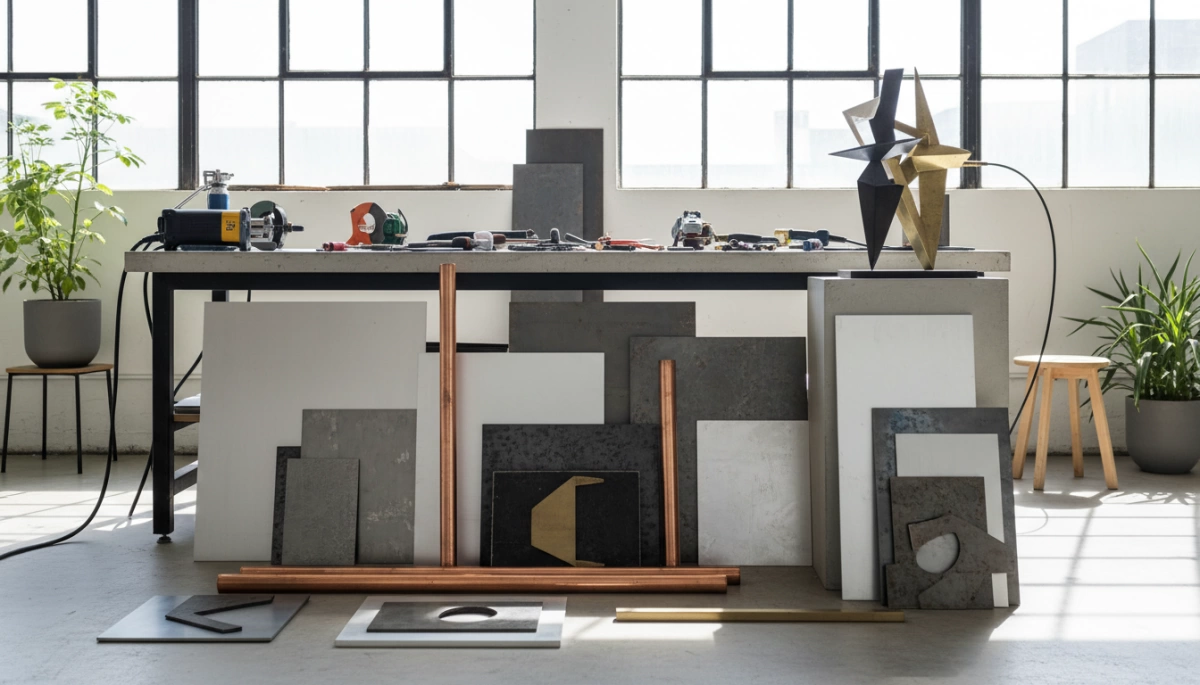
Selecting the right material is the foundation of any successful custom metal sculpture. As a fabricator, I always emphasize that the choice of metal dictates not just the visual impact, but the longevity and maintenance of the piece. We see a few dominant materials in modern metal sculpture design, each offering unique benefits for collectors and public spaces.
Stainless Steel: The Modern Standard
For a sleek, contemporary look, stainless steel art sculpture is the top contender. We primarily work with two grades:
- Grade 304: The standard for indoor pieces or outdoor areas with mild climates.
- Grade 316L: Essential for coastal areas or high-pollution environments due to its superior corrosion resistance.
One of the biggest draws here is the finish. A mirror polished stainless sculpture can make a massive structure disappear into the sky or reflect its surroundings, creating a dynamic interaction with the environment.
Bronze: Timeless Warmth
Bronze remains the gold standard for durability and prestige. The high copper content gives it a distinctive warmth and allows for the natural development of a patina, which protects the metal over decades. For those interested in the traditional craftsmanship involved, the process of making bronze sculptures reveals how we capture intricate details that other metals simply can’t match. This is the go-to for bronze sculpture casting when you want a piece that carries a sense of history.
Corten Steel, Aluminum, and Copper
- Corten Steel Sculpture: Also known as weathering steel, this material is designed to rust intentionally. It forms a stable, protective oxide layer that eliminates the need for painting, making it a favorite for industrial-style landscapes.
- Aluminum: When we are dealing with oversized installations, weight becomes a structural issue. Aluminum is lightweight, making shipping and installation much easier without sacrificing volume.
- Brass and Copper: We use these when the client wants rich, natural color tones and high malleability for detailed hammering or textural work.
Comparison of Key Metal Features
| Metal Type | Primary Aesthetic | Best Use Case | Durability |
|---|---|---|---|
| Stainless Steel (316L) | Modern, Reflective, Clean | Coastal Outdoors, Modern Plazas | Extremely High |
| Bronze | Classic, Warm, Textured | Monuments, Detailed Figures | Excellent (generations) |
| Corten Steel | Rustic, Industrial, Earthy | Parks, Landscape Architecture | High (Self-protecting) |
| Aluminum | Matte or Painted, Lightweight | Massive Hanging/Wall Art | Moderate |
Would you like me to detail the specific fabrication techniques like lost-wax casting or hand forging for these metals?
Essential Techniques in Metal Sculpture Fabrication
Creating a lasting art sculpture metal piece requires a blend of ancient artistry and precision engineering. We don’t just pour metal into a mold; we engineer art that stands the test of time. Understanding the nuances of metal sculpture fabrication helps you appreciate the labor and skill behind every masterpiece we produce.
Traditional and Modern Methods
We utilize a specific set of techniques depending on the design complexity and the material chosen. Here is how we bring raw material to life:
- Lost-Wax Casting: This is the gold standard for bronze sculpture casting, especially for figurative and highly detailed works. It allows us to capture intricate textures—like the fold of a fabric or facial expressions—that other methods miss. Understanding the intricate value of bronze casting is crucial when investing in these timeless, museum-quality pieces.
- Hand Forging and Welding: For a hand forged metal sculpture, we heat and hammer the material into shape. This technique provides a unique fluidity and is essential for abstract and architectural forms where the “hand of the artist” needs to be visible. Skilled welding ensures seamless joints that disappear into the form, maintaining the sculpture’s visual flow.
- High-Tech Integration: We don’t ignore technology. We integrate 3D modeling, CNC cutting, and laser technology to achieve pinpoint accuracy. This ensures that even massive custom metal sculpture projects fit together perfectly during onsite installation.
Surface Finishes
The finish dictates how the sculpture interacts with its environment. We offer several finishes to match your aesthetic vision:
| Finish Type | Best Application | Visual Effect |
|---|---|---|
| Mirror Polish | Stainless steel art sculpture | Highly reflective; reflects the sky and surroundings. |
| Matte / Brushed | Contemporary / Industrial | Soft interaction with light; modern and understated. |
| Chemical Patina | Bronze / Corten | Rich, natural colors (greens, browns) or rustic oxidation. |
| Painted | Modern Pop Art | Vibrant, bold colors using durable, automotive-grade paint. |
Whether you choose a mirror polished stainless sculpture for a modern plaza or a patinated bronze for a garden, the surface treatment is the final signature of our craftsmanship.
Next Step: Are you interested in seeing a comparison of how different finishes look under natural sunlight to help you decide?
Engineering Excellence Behind Large Scale Metal Art
When we move from tabletop pieces to large scale metal art, the conversation shifts from pure aesthetics to rigorous engineering. A sixty-foot sculpture isn’t just art; it’s a structure that interacts with the physical world. Ensuring safety and longevity requires a blend of creative vision and hard math.
Structural Integrity and Force Analysis
Behind the polished surface of every monumental piece lies a complex internal skeleton. We treat public art metal installation projects like architectural builds. Before a single sheet of metal is cut, we perform detailed force analysis.
- Wind Load Calculations: We calculate how the sculpture behaves in high winds to prevent tipping or structural failure.
- Internal Frameworks: We design heavy-duty steel sub-structures (armatures) that bear the weight and stress, ensuring the outer “skin” stays pristine.
- Seismic Evaluation: For specific regions, we ensure the structure can withstand ground movement.
Preventing Deformation in Oversized Panels
One of the biggest challenges in metal sculpture fabrication is preventing large flat surfaces from warping or “oil canning” (visible waviness). To maintain that sleek, mirror-polished look, we use thicker gauges of stainless steel and strategically placed internal ribbing. This reinforcement keeps the panels perfectly flat and rigid, even under thermal expansion from the sun.
Note: Proper reinforcement is crucial for maintaining the seamless reflection on works like our monumental stainless steel Skyair sculpture, where surface perfection is everything.
Foundation Mounting Details
A sculpture is only as safe as its anchor. We provide precise foundation mounting details to contractors early in the process. This usually involves deep concrete footings with embedded steel cages or chemical anchor bolts tailored to the specific soil conditions and the sculpture’s center of gravity. Whether it’s a city plaza or a private estate, we ensure the piece stays exactly where it’s put.
Design Considerations for Your Art Sculpture Metal Projects
When I help clients plan a new piece, we start by looking at the relationship between the artwork and the space it will inhabit. Getting the scale and proportion right is the difference between a sculpture that defines a room and one that clutters it. For large scale metal art, you need to ensure the piece commands attention without overwhelming the landscape or architecture. It’s all about creating a focal point that feels natural in its environment.
Choosing Your Style Direction
The style you choose sets the mood for the entire space. We generally categorize designs into a few core directions:
- Abstract: Focuses on shapes and fluidity. An abstract casting, polishing, and patina bronze statue is perfect for contemporary homes where you want to spark conversation without dictating a specific narrative.
- Figurative: Represents recognizable forms, often human or animal figures, providing a classic or storytelling element.
- Geometric: Uses sharp lines and mathematical precision, often seen in modern metal sculpture design.
- Kinetic: Incorporates moving parts that react to wind or touch, adding dynamic energy to outdoor spaces.
Lighting Interaction and Reflective Properties
One unique advantage of metal is how it plays with light. The surface finish determines how the sculpture interacts with its surroundings. A mirror-polished finish will reflect the sky and greenery, making the object almost disappear into nature, while a matte or patina finish absorbs light to reveal texture.
Proper lighting planning is essential. I always advise clients to consider how natural light hits the piece during the day and how artificial uplighting can transform it at night. If you are looking to add a touch of modern class to any room with stainless steel sculptures, the reflective quality becomes a major design element that brightens the entire space.
The Customization Process: From Concept to Reality
Creating a custom metal sculpture is a collaborative journey. We don’t just guess what you want; we engineer it.
- Concept Sketches: We start with rough drawings to capture the general idea and flow.
- 3D Renders: We create detailed digital models. This allows you to see exactly how the abstract metal wall sculpture or garden piece will look from every angle before we cut a single piece of metal.
- Production: Once approved, our fabricators use these precise files to begin cutting, welding, and finishing your piece.
Would you like me to create a quick 3D visualization of a specific design concept you have in mind?
Outdoor vs. Indoor: Critical Differences in Metal Art
When I consult with clients on a custom metal sculpture, the first question I ask is always: “Where is this going?” The environment dictates everything from the alloy we select to the final finish. An indoor piece lives in a climate-controlled bubble, but a durable outdoor art sculpture has to fight UV rays, moisture, salt air, and extreme temperature fluctuations without losing its integrity.
Material Selection for the Elements
For outdoor placements, we can’t cut corners. While Grade 304 stainless steel works fine for your lobby, I strictly recommend Grade 316L for any exterior installation, especially in coastal regions. This grade offers superior corrosion resistance. Similarly, viewing how we handle mirror polishing for stainless steel sculptures is vital; a flawless, non-porous finish actually helps repel water and contaminants, extending the lifespan of the work.
Maintenance and Trends
Indoor sculptures usually just need a light dusting. Outdoor pieces, however, require a maintenance schedule to wash away pollutants that can pit the surface. Despite the extra care, the trend for large scale metal art in landscapes is exploding. We are seeing a massive demand for:
- Garden Abstracts: Organic forms that contrast with natural greenery.
- Water Features: Stainless steel integrated with fountains for a reflective, kinetic effect.
- Landmark Pieces: Monumental works serving as focal points for public plazas.
Quick Comparison: Indoor vs. Outdoor Requirements
| Feature | Indoor Sculpture | Outdoor Sculpture |
|---|---|---|
| Material Grade | Standard (e.g., SS 304, standard Bronze) | High-Grade (e.g., SS 316L, Silicon Bronze) |
| Primary Threat | Dust and handling | UV, Rain, Salt, Freeze/Thaw cycles |
| Finish Durability | Moderate protection needed | Heavy-duty sealing or industrial coatings |
| Installation | Freestanding or simple anchors | Deep concrete foundation & wind load engineering |
If you are looking for modern metal sculpture design that lasts, understanding these differences ensures your investment stands the test of time.
Would you like me to outline the specific steps for commissioning a custom piece in the next section?
How to Commission a Custom Metal Art Sculpture
Bringing a vision to life starts with a conversation. You don’t need to be a professional artist to commission a masterpiece; you just need an idea. The process of creating a custom metal sculpture is a partnership where we translate your concepts into tangible, durable steel. Whether you come to us with a rough napkin sketch, a specific photo, or a full 3D model, the goal is the same: precision and artistic integrity.
To give you a better idea of what is possible, looking at examples of a classic modern stainless steel sculpture can help define the forms and finishes you want for your space.
The Collaboration and Fabrication Process
We break the project down into manageable phases so you are never left guessing. Here is what the workflow generally looks like:
- Consultation & Design: We discuss the scope, location, and aesthetic. If needed, we create 3D renderings to visualize how the art sculpture metal fits your environment.
- Engineering: For large pieces, we calculate wind loads and structural integrity to ensure safety.
- Fabrication: This is where the sparks fly. We cut, forge, and weld the internal structure and surface panels using high-grade materials.
- Finishing: The piece undergoes grinding, polishing, or painting to achieve the final look.
Why Factory-Direct Matters
Skipping the middleman is crucial for high-end art. Relying on a factory-direct supply chain ensures that your instructions don’t get lost in translation. It allows for strict quality control at every stage of metal sculpture fabrication, from the initial armature construction to the final mirror polish. Furthermore, working directly with the manufacturer significantly reduces costs, giving you more value for your investment without sacrificing material quality.
Timeline, Shipping, and Installation
Timeframes vary based on the project’s scale. Our lead time and production capacity are optimized to meet deadlines, but quality takes time. A standard garden piece might take 4–6 weeks, while a monumental public installation often requires 3–4 months.
Once the work is complete, we handle the logistics. We provide:
- Secure Packaging: Custom wood crates to prevent damage during transit.
- Global Shipping: Door-to-door delivery options for international clients.
- Installation Support: We supply detailed foundation drawings and instructions. For massive projects, we can even send a team to assist with the on-site installation.
Would you like me to outline the specific maintenance schedules for different metal types to keep your sculpture looking new?
Investment Value and Care of Metal Sculptures
When you commission or purchase a custom metal sculpture, you are doing more than filling a space; you are acquiring a tangible asset. In the US market, the long-term value of contemporary metal artwork relies heavily on three things: the reputation of the artist, the exclusivity of the piece (edition limits), and, most importantly, the quality of the materials used.
Collectors often ask if metal art holds its financial weight over time. Determining whether bronze sculptures are a good investment often comes down to the purity of the alloy and the intricacy of the lost wax bronze sculpture process. Similarly, a stainless steel art sculpture crafted from marine-grade 316L steel will retain its value far better than lower-grade alternatives because it won’t degrade.
Simple Maintenance for Longevity
We build our pieces to last, but a little care goes a long way in preserving that showroom shine. Maintenance varies by material:
- Stainless Steel: For a mirror polished stainless sculpture, simply wash with warm water and mild soap. Dry it with a soft microfiber cloth to prevent water spots.
- Bronze: To keep the patina rich, apply a thin coat of microcrystalline wax once a year. This protects the finish from UV rays and moisture.
- Corten Steel: This material is designed to be low maintenance. Its surface rust is actually a protective layer, so avoid scrubbing it off.
Craftsmanship and Warranty Guarantees
We take pride in our factory-direct supply chain and manufacturing standards. When you invest in large scale metal art, you need assurance that the structural integrity won’t fail. We provide solid warranties against corrosion resistance failure and structural defects. Whether it’s a hand forged metal sculpture or a precision-engineered geometric piece, our craftsmanship guarantees ensure your art stands the test of time, weather, and market trends.
Frequently Asked Questions About Metal Art Sculptures
When investing in high-quality artwork, you likely have questions about durability, logistics, and design options. Here are the answers to the most common questions we receive from clients regarding art sculpture metal projects.
What is the best metal for outdoor sculptures?
For a durable outdoor art sculpture that withstands the elements, 316L Stainless Steel is the top choice. It offers superior corrosion resistance, making it perfect for coastal areas or regions with high humidity. Bronze is another excellent option; it is timeless, heavy, and develops a natural patina that protects the metal over time. You can see how these durable materials are processed in a professional bronze sculpture foundry to ensure they last for generations.
How long does it take to create a custom metal sculpture?
The timeline depends on the complexity and scale of the project.
- Standard designs: Typically 30 to 45 days.
- Custom metal sculpture: Requires 60 to 90 days for design, 3D modeling, and fabrication.
- Monumental projects: Large public installations may take 3 to 6 months to ensure structural engineering accuracy.
Are metal sculptures expensive?
Costs vary significantly based on material, size, and intricacy. A small tabletop piece is accessible, while large scale metal art involves significant material costs and labor hours. However, working directly with a manufacturer (factory-direct) cuts out the middleman, offering you the best value for contemporary metal artwork without retail markups.
Can you ship and install large sculptures internationally?
Yes. We specialize in global logistics. For oversized or public art metal installation projects, we design the sculpture in sections for safe shipping. We provide detailed foundation drawings and installation guides, and for major landmarks, we can send a team to handle the on-site assembly to ensure safety and stability.
What finishes are available for stainless steel sculptures?
Stainless steel offers incredible versatility in surface treatment.
- Mirror Polished: A highly reflective, chrome-like finish that blends with the environment.
- Brushed/Satin: A soft, matte texture that hides fingerprints and reduces glare.
- Electroplated/Titanium: Adds vibrant colors like gold, rose gold, or black while retaining the metallic sheen.
- Painted: We can apply specific colors using automotive-grade paint, similar to our spray painting and drawing stainless steel sculpture techniques.
Would you like a quote on a specific design or advice on which metal grade suits your local climate best?


 English
  German
  French
  Italian
  Panjabi
  Chinese
  Spanish
  Arabic
  Hindi
Hindi
Add a Comment