
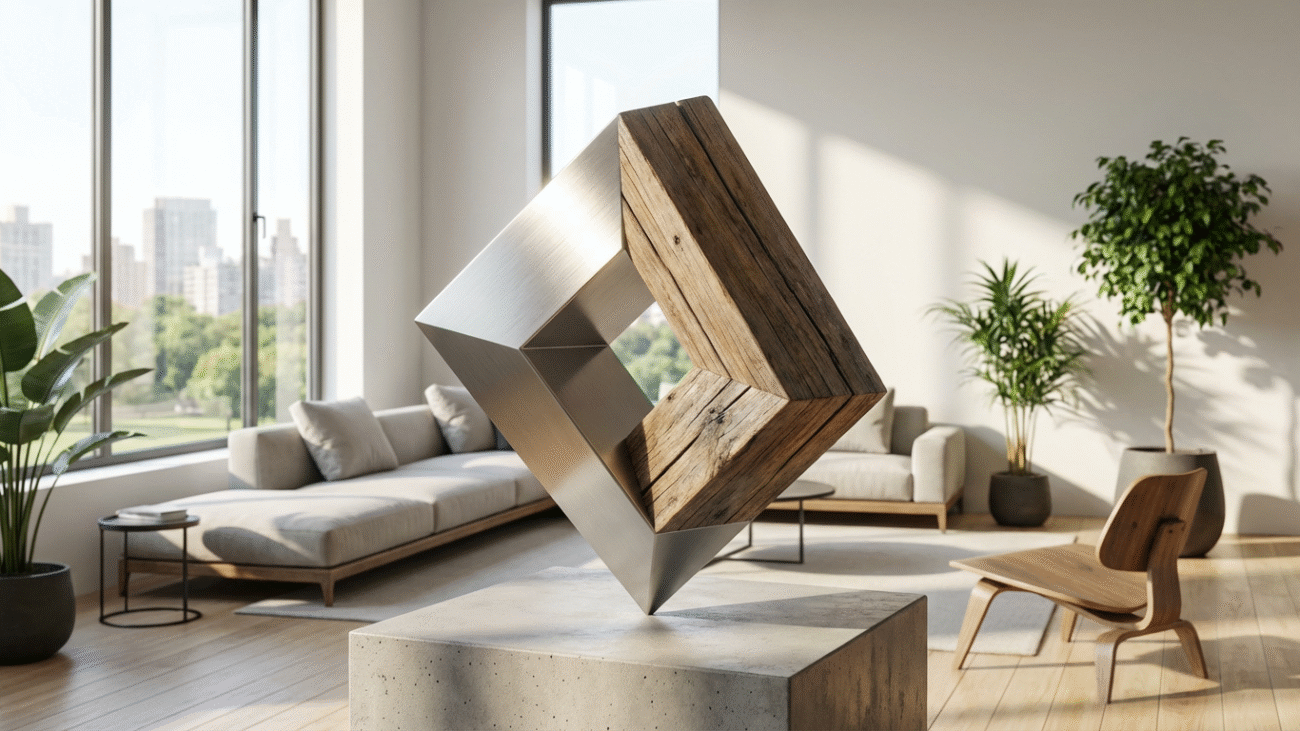
The History of Sculpture Art: From Prehistoric to Contemporary
When people ask me where to start with sculpture art, I always say: start with the story. Every material, every style, every bold bronze you see today stands on thousands of years of experiment, faith, power, and pure human obsession with form.
Prehistoric and Ancient Sculpture Origins
The first sculptures were not “decor” – they were survival, ritual, and magic.
- Prehistoric figurines like the Venus of Willendorf (c. 25,000 BCE) emphasized fertility and protection.
- Carved stones, bones, and simple reliefs appeared in caves and early settlements as symbols, offerings, and early storytelling.
- In Mesopotamia and early Asia, sculpture quickly became linked with gods, kings, and city power – think stone guardians, carved lions, and ritual statues.
These early works set two core paths for sculpture art:
- Spiritual / symbolic: small objects, talismans, ritual icons
- Monumental / political: large stone figures and reliefs showing power, order, and myth
Egyptian, Greek, and Roman Sculpture Traditions
Ancient Egyptian sculpture art was deeply religious and strictly controlled:
- Front-facing, calm, idealized faces
- Rigid poses and clear hierarchies (pharaohs, gods, nobles)
- Stone, wood, and early metal pieces designed to last for eternity
The Greeks shifted the focus to the human body:
- Figurative sculpture art reached new realism and balance
- From rigid kouros figures to natural, dynamic poses (Contrapposto)
- Gods and athletes became models of perfect proportion and beauty
The Romans pushed things toward realism and propaganda:
- Hyper-detailed portrait busts with wrinkles, scars, and age
- Huge public relief sculpture on arches and columns telling military stories
- Heavy use of bronze and marble for imperial monuments and city spaces
Medieval Religious Sculpture and Gothic Styles
After Rome, sculpture moved into a deeply religious era:
- Early medieval works were simpler, more symbolic than realistic
- Church portals and altars filled with carved saints, angels, and biblical scenes
- Stone relief sculpture wrapped around cathedrals to teach stories to a mostly illiterate public
In the Gothic period, figures became taller, more emotional, and more dramatic:
- Elongated bodies and expressive faces
- Intricate stone carving in cathedrals like Notre-Dame
- Sculpture merged with architecture, turning buildings into stone storybooks
Renaissance Sculpture Masters and Their Influence
The Renaissance brought sculpture art back to humanism and classical balance:
- Artists studied Greek and Roman sculpture obsessively
- Focus on anatomy, proportion, and natural movement
- Marble and bronze became the premium materials for high-end work
Key masters still shaping how we think about sculpture:
- Donatello – early bronze masters, psychological depth in figures
- Michelangelo – “David,” the Pietà; marble pushed to its absolute limit
- Bernini (bridging into Baroque) – motion frozen in stone, almost cinematic energy
Their legacy:
- Figurative sculpture as the ultimate test of skill
- The idea of the sculptor as a genius, not just a craftsman
- A model for today’s museum quality bronze sculpture and collector expectations
Baroque and Neoclassical Sculpture Movements
The Baroque period turned up the drama:
- Swirling drapery, twisted poses, strong emotion
- Sculpture integrated with fountains, altars, and palaces
- Public art installations became more theatrical and immersive
Neoclassicism reacted by calming things down:
- Clean lines, calm poses, and idealized bodies
- Direct inspiration from ancient Rome and Greece
- Popular for public monuments, memorial statues, and government buildings
Today, many large outdoor sculptures and civic bronzes still reference Neoclassical balance and clarity.
Modern Sculpture Art and 20th Century Experimentation
In the 20th century, sculpture art broke nearly every rule:
- Abstract sculpture art rejected realistic bodies and focused on form, space, and pure shape
- Modern sculpture pioneers like Brancusi, Picasso, and Moore simplified figures to their essence
- New materials: steel, concrete, glass, industrial parts, and eventually resin sculpture art and plastics
Key shifts:
- From single statues to sculpture as environment
- From realistic to expressionist, minimalist, and conceptual styles
- Birth of kinetic sculpture – moving works powered by wind, motors, or interaction
Contemporary Sculpture Trends and Installation Art in 2026
In 2026, sculpture art is global, material-rich, and highly experimental:
- Installation sculpture turns entire rooms, plazas, and landscapes into immersive experiences
- Environmental and land art sculpture uses earth, stone, plants, and water to shape the land itself
- Stainless steel sculpture, glass, and polished metals create mirror-like, futuristic public pieces
- 3D printed sculpture and digital fabrication allow complex forms, fast prototyping, and custom commissions at scale
- Recycled material sculpture and sustainable practices speak to climate and ethics
At the same time, there’s strong demand for:
- Figurative bronze statues with a contemporary twist
- Custom bronze sculpture commissions for memorials, corporate art, and high-end private collections
- Durable bronze garden statues and large outdoor sculptures with refined patinas and investment value
From small prehistoric idols to monumental stainless steel landmarks in global cities, the history of sculpture art is a steady evolution in how we shape matter, space, and meaning. It’s also the foundation that guides how I design, cast, and deliver bronze and custom sculpture solutions for today’s collectors, designers, and public projects worldwide.
Main Types and Styles of Sculpture Art
Freestanding Sculpture vs Relief Sculpture
In sculpture art, most works fall into two basic construction types:
- Freestanding sculpture (in-the-round): you can walk around it, view it from every angle. This is ideal for garden statues, lobby sculptures, and public bronze monuments.
- Relief sculpture: attached to a wall or surface, with forms raised from the background. Perfect for architectural panels, memorial walls, and corporate logos in stone, bronze, or resin.
For clients with limited floor space, I usually recommend high‑impact reliefs; for plazas, hotels, and malls, freestanding pieces create stronger visual focus.
Figurative Sculpture Art and Realistic Statues
Figurative sculpture art focuses on the human body, animals, and recognizable forms. This style works best when you want:
- Realistic portrait sculptures for memorials or VIP lobbies
- Figurative bronze statues for squares, universities, and city parks
- Classical marble figures for luxury villas and hotel interiors
Because figurative works carry clear emotion and story, they’re still the most requested style for custom bronze sculpture commissions worldwide.
Abstract Sculpture and Non‑Representational Forms
Abstract sculpture art doesn’t copy real objects. It uses shapes, lines, and volumes to express mood, movement, or brand identity.
- Great for modern offices, hotel lobbies, and commercial plazas
- Works well in stainless steel, painted metal, or polished stone
- Fits brands that want a minimal, international, contemporary look
If you want a bold focal point, pieces like our large modern stainless steel sculpture are a clean, future‑proof choice for global projects.
Kinetic Sculpture and Moving Art
Kinetic sculpture includes any sculpture that moves:
- Wind‑driven outdoor pieces in stainless steel or aluminum
- Mechanically driven artworks in malls and tech campuses
- Light‑based moving installations in public spaces
Kinetic works are popular for interactive public art installations because they change with weather, time, and viewer position, keeping spaces visually alive.
Installation Sculpture and Immersive Environments
Installation sculpture focuses on experience, not just the object. It often:
- Occupies a full room, lobby, or outdoor zone
- Combines sculpture, light, sound, and digital media
- Encourages people to walk through, sit in, or interact with the work
Developers and city planners use installation sculpture to create Instagram‑ready landmarks that drive foot traffic and brand exposure.
Environmental and Land Art Sculpture
Environmental sculpture and land art sculpture work directly with nature:
- Sculptures integrated into hillsides, lakes, beaches, or forests
- Large earthworks, stone circles, or planted forms
- Eco‑friendly pieces using local stone, wood, or recycled materials
For eco‑resorts and landscape architects, this type of sculpture strengthens the link between design, local culture, and environment.
Popular Sculpture Styles: Realism, Expressionism, Minimalism, Hyperrealism
Across these types, four styles dominate orders in the global market:
- Realism sculpture style
- Accurate anatomy, clear likeness
- Best for portraits, historical figures, and museum‑quality bronze sculpture
- Expressionist sculpture
- Distorted forms, strong emotion
- Good for art parks, cultural institutions, and galleries
- Minimalist sculpture decor
- Simple lines, clean geometry
- Ideal for modern homes, offices, and hotels wanting calm, uncluttered spaces
- Hyperrealistic sculpture
- Extreme detail, sometimes using mixed media
- A strong choice for high‑end collectors and statement gallery pieces
When I design or manufacture for clients, I always match type (freestanding, relief, kinetic…) + style (realism, minimalism, etc.) + material (bronze, stainless steel, resin…) to the actual space, climate, and budget, so the sculpture is both beautiful and practical long‑term.
Materials Used in Sculpture Art
Traditional sculpture materials overview
In sculpture art, the material decides both the look and the lifespan of the piece. I mainly work with:
- Marble – classic, elegant, ideal for timeless indoor and high‑end outdoor art
- Bronze – strong, weather‑resistant, perfect for public and investment sculptures
- Stone (granite, limestone, sandstone) – durable and monumental
- Wood – warm, tactile, great for interiors and organic styles
- Clay / Terracotta – flexible for modeling, maquettes, and smaller works
Each material has its own “language” – weight, texture, and cost – and I match it to where and how the sculpture will actually be used.
Marble sculpture art and its characteristics
Marble sculpture is all about refinement and detail.
- Takes a high polish – smooth, luxurious surface
- Handles sharp edges and delicate folds (skin, fabric, hair) very well
- Naturally cool white tones with subtle veining
- Best for indoor or semi‑sheltered spaces to avoid pollution damage
For clients looking for classic prestige pieces, marble statues still feel like the benchmark of traditional sculpture art.
Bronze sculpture art and casting methods
Bronze sculpture is the workhorse of serious sculpture art, especially for outdoors and collectors.
Core benefits:
- Strong but not brittle – better than pure stone or iron for thin details
- Excellent for editioned art – repeatable casting with consistent quality
Most of our bronze is made with the lost wax casting method:
- Sculpt in clay or wax
- Make a mold
- Pour wax into the mold
- Create a ceramic shell around the wax
- Melt out the wax, pour molten bronze
- Break the shell, clean, weld, chase details
- Patina and seal
This process gives you museum‑level detail with serious durability.
Clay and terracotta sculpture techniques
Clay is where most sculptures start.
- Highly flexible, perfect for sketching forms and refining anatomy
- Used for maquettes, portrait studies, and prototypes
- Can be fired to become terracotta, a more permanent, earthy material
Terracotta works well for warm, rustic interior pieces and small garden accents when properly sealed.
Wood and stone sculpture basics
Wood sculpture art:
- Warm, natural feel – great for homes, hotels, and lobbies
- Best species: oak, teak, walnut, cedar
- Needs regular oiling or waxing to avoid cracking or fading
Stone sculpture art:
- Includes granite, limestone, basalt, sandstone
- Extremely durable for outdoor public art and garden sculptures
- Surfaces can be rough‑hewn or highly polished depending on style
I tend to use stone when a client wants a grounded, permanent, architectural feel.
Modern sculpture materials: stainless steel, resin, glass
For modern spaces and city projects, I often recommend contemporary materials:
- Stainless steel sculpture – mirror finish, modern look, zero rust with proper grade; perfect for plazas, malls, and corporate spaces. For example, a polished stainless steel bull sculpture works brilliantly in financial and commercial districts.
- Resin sculpture art – lighter, flexible in shape and color, good for indoor decor and budget‑friendly projects
- Glass sculpture art – striking with light, best used in controlled environments like lobbies, galleries, or high‑end homes
For large urban projects, I combine stainless steel with modern design principles similar to those in extra large metal art for contemporary spaces.
Recycled materials and sustainable sculpture art
Sustainability matters now more than ever. I’m seeing strong demand for:
- Recycled metal (scrap steel, aluminum, copper)
- Reclaimed wood from old buildings or boats
- Reused glass and plastics for colorful, eco‑themed works
These environmental and land art sculptures speak directly to climate and recycling issues while still delivering strong visual impact.
3D printed sculpture and digital fabrication
3D printed sculpture has become a serious tool, not just a trend.
- We can scan a model or design digitally and print complex shapes
- Works as final pieces (in resin, plastic, or metal) or as masters for molding and casting
- Lets clients preview accurate scale models before approving large outdoor sculptures
Digital fabrication is especially useful for custom corporate art and public installations where precision is non‑negotiable.
Why bronze is preferred for outdoor and investment sculptures
For outdoor and investment‑grade sculpture art, bronze still leads the market.
Why collectors, cities, and brands love bronze:
- Weather‑resistant: handles sun, rain, snow, and coastal air with proper patina and waxing
- Ages beautifully: patina develops character instead of just “aging badly”
- High perceived value: recognized globally as a premium, museum‑quality material
- Repairable and restorable: surface can be cleaned, re‑patinated, and conserved over decades
- Strong resale and appraisal value: ideal for investment art sculptures and estate collections
When a client asks me for a piece that should still look good (and be valuable) in 50–100 years, a bronze sculpture is usually my first recommendation.
Famous Sculptors and Iconic Sculpture Art
Classic sculpture masterpieces you should know
If you’re serious about sculpture art, there are a few classics you simply need to know:
- “Venus de Milo” (Ancient Greece) – benchmark of figurative sculpture and ideal human proportion.
- “Laocoön and His Sons” (Hellenistic) – drama, movement, and early expressionist sculpture energy.
- “Winged Victory of Samothrace” – proof that stone can feel like moving fabric and wind.
These works set the base for realism sculpture style, anatomy, and composition that still guide sculptors and manufacturers today.
Renaissance and classical-era sculptors
Renaissance and classical masters shaped how we judge figurative sculpture art even in 2026:
- Michelangelo – “David”, “Pietà”, and his unfinished slaves are a masterclass in marble sculpture.
- Donatello – early bronze sculpture innovator with a lighter, more natural human presence.
- Bernini (Baroque) – pushed marble to look like skin, hair, and fabric in motion.
Their focus on anatomy, gesture, and emotional expression is still what clients ask for when commissioning custom bronze sculpture, portrait sculpture, and memorial statues.
Modern sculpture pioneers and innovators
Modern sculpture art broke away from strict realism and opened the door for new materials and forms:
- Auguste Rodin – raw surfaces, emotional bodies; a bridge between classical and modern.
- Constantin Brâncuși – simplified forms, the root of minimalist sculpture and modern abstraction.
- Henry Moore – large organic shapes made sculpture perfect for public art installations.
These pioneers made it normal for us to work in stainless steel, resin, and abstract sculpture art for plazas, hotels, and corporate lobbies.
Contemporary sculptors active in 2026
Today’s leading sculptors are global, cross-media, and very installation-focused:
- Artists working in large outdoor sculptures, environmental sculpture, and land art sculpture
- Sculptors using 3D printed sculpture, recycled materials, and interactive tech
- Public and corporate art specialists creating site-specific works for cities, airports, and tech campuses
In our own bronze and steel production, we follow these trends closely, especially when designing custom public art sculpture and high-end figurative bronze statues for international clients.
Iconic public sculptures and monuments
Iconic public works are what most people think of when they hear “sculpture art”:
- National monuments and memorial statues in city centers
- Bronze garden statues in parks and private estates
- Landmark stainless steel or iron structures in plazas and waterfronts
Well-designed public sculpture anchors a space, attracts visitors, and boosts the image of a hotel, office tower, or residential project. For example, if you’re planning large outdoor steel work, it’s worth studying how successful outdoor steel sculptures integrate with nature and architecture.
How famous sculptures shaped art history
Each era’s key sculptures changed how we think about:
- Form – from strict realism to abstraction and hyperrealistic sculpture
- Material – from marble and bronze to stainless steel, glass, resin, and recycled material sculpture
- Function – from religious objects to design pieces, public landmarks, and investment art sculptures
This history isn’t just “museum talk”. It directly shapes what collectors, designers, and developers ask us to manufacture today—whether it’s museum quality bronze sculpture for a private collection or a durable, statement-making outdoor bronze for a public plaza.
Sculpture Art in Interior and Exterior Design

Using sculpture art in home decor
Sculpture art instantly upgrades a room from “nice” to “curated.”
For home decor, I usually suggest:
- Small bronze or resin pieces for sideboards, shelves, and consoles
- One strong hero piece instead of many tiny distractions
- Figurative sculpture art for warm, emotional spaces (living room, bedroom)
- Abstract sculpture art for modern, minimalist interiors
Place sculptures where people naturally pause: entry tables, coffee tables, by windows, or on a clean wall niche.
Sculpture for garden and landscape design
Outdoor sculpture anchors a garden and makes the space feel intentional. Strong options:
- Bronze garden statues for long‑term durability and a classic feel
- Stainless steel sculpture for modern, reflective, high-impact looks
- Stone sculpture for natural, low‑maintenance landscapes
If you want pieces that handle sun, rain, and snow with style, look at bronze garden sculptures that balance artistry and longevity, like the examples shown in this guide on enhancing outdoor spaces with bronze garden sculptures.
Office, hotel, and commercial sculpture installations
For lobbies, hotels, malls, and corporate campuses, sculpture becomes a brand statement. I lean on:
- Large outdoor sculptures at main entrances as landmarks
- Custom corporate art sculpture in reception areas
- Figurative bronze statues or abstract metal forms in hotel lobbies and courtyards
If you work with a manufacturer/factory in China, you can get custom bronze sculpture in larger scales with consistent quality and controlled budgets, especially for wholesale or multi-location projects.
Choosing the right scale and proportion
The biggest mistake is going too small. As a quick rule of thumb:
- Indoor focal point: sculpture height = about ⅓–½ of the furniture height it’s on
- Garden / exterior: the farther the viewing distance, the taller and bolder the piece must be
- In open plazas, think 2–5 m high for real visual impact
Always mock up with cardboard or tape first so you feel the size in the space.
Lighting tips for displaying sculpture art
Good lighting can double the impact of a sculpture:
- Use spotlights from above at a 30° angle to avoid harsh shadows
- For textured bronze or stone, use side lighting to reveal details
- For glass or stainless steel, combine soft ambient light + focused accents
- Outdoors, low-level ground uplights work great for garden statues and public art
If the sculpture is a major feature, put it on a separate dimmer circuit so you can tune the mood.
Trends in large outdoor sculptures and garden statues
In 2026, I’m seeing strong demand for:
- Minimal geometric stainless steel forms
- Patina bronze sculpture with rich greens and browns
- Interactive and photo-friendly public art installations
- Environmental sculpture and land art that integrate plants, stone, and water
More clients are asking for durable metal sculpting solutions that can handle harsh climates and still look high-end, similar to the approach described in this overview of metal sculpting for long-lasting modern spaces.
Minimalist indoor sculpture decor ideas
Minimalist doesn’t mean empty—it means intentional. Try:
- One strong abstract sculpture on a clean console with nothing else
- Neutral palettes: black, white, stone, or dark bronze
- Simple plinths or shelves in wood, stone, or matte metal
- Repeating one material (e.g., all bronze or all resin) across the room
Keep lines clean, leave breathing space around each piece, and let the sculpture be the quiet center of attention.
Bronze Sculpture Art in 2026

Bronze sculpture art is still the go‑to choice in 2026 for outdoor public art, luxury garden statues, and long‑term investment pieces. It’s classic, but it works perfectly with modern and contemporary sculpture styles.
Lost Wax Casting – Simple Breakdown
Most high‑end bronze sculpture today still uses the lost wax casting method because it’s accurate and stable.
Basic steps:
- Original model – usually clay, wax, or 3D printed.
- Silicone / plaster mold – captures all surface detail.
- Wax copy – hot wax brushed or poured into the mold.
- Wax tree & shell – wax model coated with ceramic shell.
- Burnout – kiln melts out the wax (“lost wax”), leaves a cavity.
- Bronze pour – molten bronze poured into the shell.
- Break shell & clean – bronze form is revealed.
- Welding & chasing – seams removed, details refined.
- Patina & seal – color and protection applied.
If you want to see this in action at scale, check how a professional casting metal sculpture foundry handles big and complex pieces.
Why Bronze Is Perfect for Outdoor Sculpture
For outdoor garden sculptures, city monuments, and coastal public art, bronze still beats most materials.
Key benefits:
- Weather resistance – handles rain, snow, heat, and UV well.
- Strength vs. weight – lighter than stone but strong enough for large outdoor sculptures.
- Detail – captures fine textures in figurative bronze statues and abstract forms.
- Repairable – dents, cracks, and patina issues can be restored.
- Longevity – proven durability over hundreds of years.
| Outdoor Material | Durability | Detail | Maintenance | Best For |
|---|---|---|---|---|
| Bronze | Very high | High | Low–Medium | Public art, garden statues |
| Marble | Medium | High | High | Classic monuments, indoor/outdoor |
| Stainless Steel | Very high | Medium | Low | Modern, reflective sculpture |
| Fiberglass/Resin | Medium | Medium | Medium | Large decorative pieces |
Patina, Color & Surface Finishes
The patina is what really sells bronze in 2026 – it’s both protection and design.
Common patina looks:
- Brown/coffee – classic museum bronze.
- Dark chocolate/black – modern, minimal, strong contrast.
- Green/verdigris – aged, antique, ideal for garden statues.
- Custom colors – blue, red, or mixed chemical patinas for contemporary sculpture.
Typical finishing steps:
- Metal brushing or sandblasting to unify the surface.
- Chemical patina applied with heat (torch) or cold.
- Clear wax or lacquer sealer to lock color and slow oxidation.
For clients who want standout feature pieces, I often combine classic brown patina with polished highlights, or mix patina with mirror-polished stainless elements like on our perforated stainless steel fairy sculpture.
Bronze Sculpture as Investment Art
Bronze is one of the most trusted investment art sculptures because each casting can be controlled and certified.
What collectors look for:
- Limited editions – small, fixed edition numbers (e.g., 1/8, 2/8).
- Foundry mark – clear stamp from a reputable sculpture manufacturer or foundry.
- Artist signature – carved, stamped, or engraved.
- Certificate of authenticity – edition size, year, material, patina details, and foundry.
Why investors like bronze:
- Holds value better than mass‑produced resin sculpture.
- Replacement cost is high, which supports long‑term pricing.
- Museum and public art use bronze, which builds trust in the material.
What “Museum Quality” Bronze Sculpture Really Means
When I say museum quality bronze sculpture, I’m talking about strict production and finishing standards, not just a marketing phrase.
Museum‑grade usually includes:
- High copper content bronze (typically 85–90% copper).
- Clean, even casting with minimal porosity and sharp detail.
- Professional welding and chasing – no visible seams or grinding marks.
- Stable patina applied by experienced patineurs, not spray paint.
- Structural engineering for large outdoor sculptures – proper internal armature and base fixing.
For very large or complex bronze, engineering and foundry capacity are critical. Projects like the biggest bronze sculpture show how serious art + engineering must be for safe, long‑term public installation; that’s the standard I aim for in my own large bronze work.
Bronze Garden Statues & Public Art in 2026
In 2026, bronze is still the main material for public art installations and premium garden statues worldwide, from Europe and North America to the Middle East and Asia.
Popular bronze applications:
- Garden sculptures – human figures, animals, abstract forms, fountains.
- City monuments – historical figures, memorial statues, cultural icons.
- Corporate art sculpture – lobby statements, plazas, brand symbols.
- Resort & hotel outdoor sculptures – lifestyle, figurative, and minimalist pieces.
Why global buyers choose bronze from a Chinese manufacturer/factory:
- Strong foundry capacity for large outdoor sculptures and wholesale bronze sculpture orders.
- Custom bronze sculpture service – from small figurative bronzes to massive public art.
- Competitive pricing while still delivering export‑level, museum‑grade quality.
If you’re sourcing for a garden project, hotel, city square, or want a long‑term investment piece, bronze is still the safest and most flexible material to build around in 2026.
Custom Sculpture Art Process
When to commission a custom sculpture piece
I recommend commissioning custom sculpture art when:
- You want a one-of-a-kind memorial for a loved one or a public space
- Your brand or business needs a signature corporate art sculpture for lobby, hotel, or plaza
- You’re designing a high-end garden, park, or public installation that needs a focal point
- You’re a gallery, designer, or developer looking for large outdoor sculptures in specific sizes, themes, or styles
If you have a clear location, budget range, and a rough idea of style (modern, figurative, abstract), you’re ready to start.
Popular custom sculpture ideas
The most common custom sculpture art projects we handle include:
- Memorial statues & monuments
- Life-size or larger-than-life figures
- Cemetery or public park memorials
- Portrait sculpture
- Busts, half-figures, or full figures in bronze or stone
- Family portraits, historical figures, corporate founders
- Corporate art sculpture
- Logo-inspired abstract forms
- Custom bronze or stainless steel art for office lobbies and hotel entrances
- Custom public art sculpture
- Landmark pieces for plazas, city centers, campuses, and commercial complexes
From idea to sketch and clay model
The process usually starts very simple:
- Concept & brief
- You share location photos, reference images, desired size, and budget.
- We confirm style: figurative, abstract, modern, minimalist, etc.
- Sketch & 2D/3D proposal
- We create initial sketches or a basic 3D visualization so you can see the direction.
- Adjust posture, proportions, and main design elements before going deeper.
- Clay model or digital maquette
- For figurative bronze sculpture, we build a clay model (often in smaller scale first).
- For stainless steel or modern forms, we may use 3D modeling directly.
This stage is about locking in the overall look before we move to casting or fabrication.
Approval, casting, and finishing stages
Once you’re happy with the model, we move in clear steps:
- Model approval
- You review photos or video of the clay/digital model from all angles.
- We apply final tweaks to expression, pose, details.
- Mold & casting / fabrication
- Bronze sculpture: we use the lost wax casting process for museum-quality detail.
- Stainless steel sculpture: we cut, weld, and polish based on the final design files.
- Other materials: resin, stone, or mixed media as needed.
- Surface finish & patina
- Choose patina color for bronze, or mirror/brushed finish for stainless steel.
- We add texture, polish, or aging effects depending on your project.
- Base, packaging & installation guidance
- We design the pedestal or base to match your space.
- For large outdoor sculptures, we give clear installation and foundation suggestions.
If you’re planning a stainless steel or modern outdoor piece, you can see how we design and apply finishes in our guide on improving public spaces with outdoor stainless steel sculptures.
Timeline and budget factors
Custom sculpture art is not off-the-shelf, so timing and cost depend on:
- Size & complexity
- Small bust: faster and cheaper
- Large outdoor monuments: more time, higher cost
- Material
- Bronze and stainless steel cost more but last longer outdoors
- Resin and mixed media can be more budget-friendly
- Detail level
- Hyper-realistic portrait vs simplified abstract form
- Edition
- One-of-one piece vs limited edition casting
Roughly:
- Small to medium indoor pieces: 30–60 days
- Large outdoor sculptures / public art: 60–150 days, including design, casting, and finishing
We also help you plan budgets realistically – you can get a feel for cost structure and decision points in our bronze pricing insights here: bronze pricing insights for confident decisions.
Working with professional sculpture manufacturers
If you’re sourcing from a sculpture manufacturer in China like us, the key is to treat it as a partnership, not a guess:
What we handle for you:
- Design support based on your market (US, EU, Middle East, Asia-Pacific)
- Material selection: bronze, stainless steel, resin, stone for indoor and outdoor use
- Full lost wax casting for high-end bronze art sculpture wholesale orders
- Structural engineering suggestions for large outdoor sculptures
- Safe packing and worldwide shipping
What you should prepare:
- Clear size, installation location, and budget range
- Style references (photos, Pinterest, existing public art you like)
- Decision timeline and any event/deadline (opening, unveiling, etc.)
Working with a factory that lives and breathes custom bronze sculpture service means:
- Stable quality
- Consistent patina and finishing
- Flexible options for wholesale bronze sculpture and one-off custom commissions
If you already have a project in mind (memorial, portrait, corporate lobby, or garden statue), define size + material first. From there, we can move fast from idea to approved model without wasting time or budget.
How to Buy High Quality Sculpture Art
Where to buy sculpture art (online & offline)
If you want good sculpture art, you need good sources:
- Online:
- Professional sculpture galleries and platforms
- Directly from sculpture manufacturers in China (factory or brand sites) for bronze art sculpture wholesale
- Reputable auction houses’ online sales
- Offline:
- Art fairs, galleries, museums shops
- Direct from artists’ studios
- Established foundries that also sell editioned works
Always check real photos, videos, client reviews, and clear terms before you pay.
Foundry marks & edition numbers (what they mean)
For bronze and metal sculpture, marks on the base matter:
- Foundry mark: Shows which foundry or manufacturer cast the piece.
- A clear, consistent foundry mark is a strong quality signal.
- Edition number: Example: 5/20 = piece 5 from a limited edition of 20.
- Smaller editions usually mean higher value.
- “Open edition” = unlimited, usually cheaper and less collectible.
If there’s no mark, no edition number, and no documentation, be careful—especially for “investment” pieces.
Certificates of authenticity for bronze sculpture
For any editioned bronze sculpture, you should get:
- Certificate of authenticity (COA) with:
- Artist name / manufacturer
- Title, size, material, edition number
- Foundry or factory name + stamp
- Date and signature (artist, studio, or manufacturer)
- For museum quality bronze sculpture, the COA is non‑negotiable.
If a seller refuses to provide a COA for a “limited edition bronze”, walk away.
Red flags when buying sculpture art
Avoid suppliers that show:
- No physical address, no company name, no registration info
- Only stock images, AI mockups, or stolen photos from other sites
- Vague material descriptions like “metal” instead of “bronze / brass / stainless steel”
- Prices that are unrealistically low for large outdoor sculptures
- No contract, no invoice, no warranty, no return policy
- Aggressive push to pay via unsafe channels (no PayPal, no bank transfer in company name)
Green flags of reputable sculpture manufacturers & foundries
A serious sculpture manufacturer or foundry will:
- Show real factory photos, process videos, and finished projects
- Explain casting methods (for example, lost wax bronze casting) in simple, transparent language
- Offer clear contracts, pro‑forma invoices, and shipping terms
- Provide foundry marks, edition numbers, and COAs for bronze art
- Have stable export experience and client references (designers, hotels, public projects)
- Offer maintenance guidance, for example detailed bronze cleaning tips similar to those in this professional bronze care guide.
Wholesale sculpture for galleries & designers
If you’re a gallery, landscape designer, or hotel buyer, look for:
- Wholesale bronze sculpture pricing with clear MOQs (minimum order quantities)
- Custom options: size, patina, base, logo plate
- Packaging standards for international transport (crates, foam, steel frames)
- Support with 3D drawings, shop drawings, and installation guides
- Stable production capacity and lead times from the factory in China
Long‑term cooperation beats chasing the lowest price every time.
Buying large outdoor sculptures safely & smartly
For big outdoor or public art pieces, protect yourself and the project:
- Ask for:
- 3D model / CAD drawing
- Material and thickness specs (e.g. 316 stainless steel, 3–5 mm)
- Structural support plan and installation method
- Check:
- Wind load, anchoring system, and local safety codes
- Surface finish (polished, matte, patina) and anti‑corrosion treatment
- Insist on:
- Signed contract with timeline, payment schedule, and penalties
- Transport insurance and professional installation team
For reference on finish quality for outdoor work, compare with a matte stainless steel sculpture example like this stainless steel deer sculpture installation video, so you know what real, high‑end metal work should look like.
Caring for Your Sculpture Collection
Looking after sculpture art isn’t complicated, but it does need a bit of routine. If you treat your pieces like long‑term assets, they’ll keep their value and beauty for decades.
Indoor Sculpture Care Basics
For indoor sculpture art (bronze, resin, wood, marble, stainless steel):
- Keep stable conditions: avoid direct sun, heaters, air‑conditioning vents, and damp corners.
- Dust gently: soft microfiber cloth or a soft brush, once every 1–2 weeks. No feather dusters – they can scratch.
- Handle with care: lift from the base or strongest area, never from fragile parts (arms, wings, thin details).
- Use solid bases: level plinths, shelves with weight capacity, and non‑slip pads under the base.
Outdoor Sculpture Maintenance & Weather Protection
Outdoor garden sculptures and large outdoor sculptures deal with sun, rain, salt, and pollution, so prevention is key:
- Good placement: avoid low spots where water collects; give sculptures drainage and airflow.
- Seal where needed: stone, some woods, and certain resins benefit from protective sealers.
- Check yearly: look for cracks, loose anchors, flaking, or corrosion on public art installations and garden statues.
- Wind & safety: make sure tall sculptures are well anchored, especially in coastal or high‑wind regions.
For a sense of how durable outdoor metal can work, see how this stainless steel skyair sculpture in Weihai, Shandong handles tough coastal weather.
Cleaning Bronze Sculpture Without Damage
Bronze sculpture and figurative bronze statues are tough, but the patina is delicate and part of the value.
- Routine clean:
- Dust with a soft cloth or natural bristle brush.
- Wipe lightly with a damp cloth and pH‑neutral soap if needed, then dry fully.
- Protective wax (indoors or outdoors):
- Use microcrystalline or museum‑grade wax every 6–12 months.
- Apply thinly, let haze, buff softly.
- Avoid: metal brushes, scouring pads, household cleaners, vinegar, bleach, pressure washers.
- Green spots or white crust outdoors = possible active corrosion → time to call a pro.
Care Tips for Marble, Stone & Stainless Steel Sculptures
Marble & Stone Sculpture Care
- Dust first, then clean with distilled water and a tiny amount of pH‑neutral soap.
- Never use acids (vinegar, bathroom cleaner) – they burn and dull the surface.
- Protect edges and details; marble chips easily.
- Consider breathable sealers for garden stone sculptures in wet or freezing climates.
Stainless Steel Sculpture Care
- Rinse with clean water, then wash with mild soap and a soft sponge.
- Wipe dry to avoid water spots, especially on mirror‑polished stainless steel sculpture art.
- Use non‑abrasive stainless cleaners only; avoid steel wool and harsh abrasives that can start rust spots.
When to Call a Professional Restorer
Don’t DIY everything. Call a sculpture restoration service or conservator when you see:
- Structural issues: cracks, breaks, loose welds, tilting bases.
- Heavy staining, deep scratches, flaking surface, or missing parts.
- Historic or investment art sculptures where cleaning mistakes = real money lost.
For museum‑quality bronze sculpture or editioned bronze sculpture, a pro is always the safest route.
Long‑Term Preservation for Investment Art Sculptures
If you buy sculpture as an investment, treat it like a financial asset:
- Keep records: invoices, certificates of authenticity, foundry marks, edition numbers, photos of condition.
- Stable environment: avoid big swings in temperature or humidity, especially for wood and composite materials.
- Regular inspections: once or twice a year, document any change (color shift, spots, hairline cracks).
- Insurance: get updated valuations for high‑end bronze or marble pieces and store documents separately.
Even small pieces can matter here. A well‑kept small bronze sculpture with proper care and paperwork can stay in top condition and hold value for the long term.


 English
  German
  French
  Italian
  Panjabi
  Chinese
  Spanish
  Arabic
  Hindi
Hindi
Add a Comment