
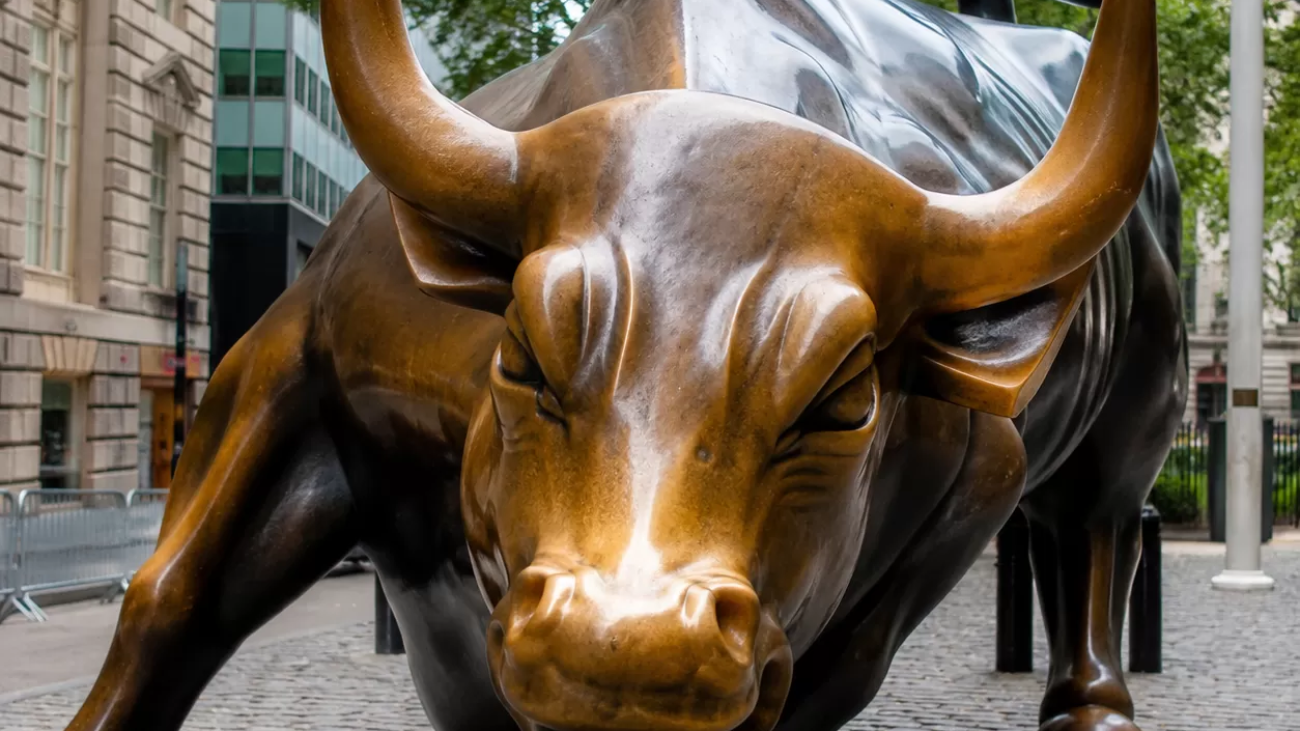
You look at a world-class city square or a high-end corporate headquarters, and one element instantly commands the space: monumental outdoor statues. For thousands of years, bronze has been the ultimate medium for human legacy, surviving civilizations while stone crumbles and iron rusts.
But a true masterpiece isn’t just born from an artist’s vision. It requires serious engineering.
Every historic public monument—from classical antiquities to modern urban landscape sculptures—represents a massive feat of thermodynamics, physics, and structural design. Scaling a small clay model up to a multi-ton installation requires precision scale-up fabrication engineering that most people never see. It’s the tense reality of the high-heat bronze pouring process, the calculated risk of the lost-wax casting method, and the specialized chemistry of patina finishing techniques.
Whether you are designing commercial plaza bronze centerpieces to define a new development or commissioning public art bronze monuments for a civic space, understanding the metallurgy behind the art changes how you see the medium.
Let’s dive into the engineering secrets of the world’s most famous bronzes—and how that same timeless craftsmanship is executed today.
Ancient Masterpieces: The Genesis of Heavy Metal Pouring
Before modern engineering, ancient masters were already pushing the limits of metallurgy. The creation of famous bronze sculptures required an intricate understanding of the molten bronze pouring process. These early creators laid the foundation for the public art bronze monuments we see today, transforming raw ore into timeless cultural landmarks.
The Charioteer of Delphi (Greece, ~470 BCE)
Discovered at the Sanctuary of Apollo, this life-size masterpiece is one of the finest surviving examples of classical antiquity.
- The Technique: Cast in separate sections—including the head, torso, arms, and skirt—and then welded together.
- The Details: Features inlaid glass eyes and silver headbands, proving that ancient heavy metal forging wasn’t just about structural strength, but intense precision.
- The Legacy: It represents the critical transition from rigid archaic poses to living, breathing realism.
The Horses of Saint Mark (Ancient Rome/Greece)
This legendary quadriga—a set of four monumental outdoor statues—showcases the sheer scale achievable by ancient foundries.
| Feature | Specification & Details |
|---|---|
| Material Composition | High-tin bronze, nearly 98% copper to allow for heavy mercury gilding. |
| Historical Journey | Traveled from Greece to Constantinople, then to Venice, and briefly to Paris via Napoleon before returning. |
| Fabrication Marvel | Cast at a near life-size scale, demonstrating unparalleled control over large-scale molten metal flow. |
These ancient triumphs prove that bronze survives the elements better than almost any other medium, laying the groundwork for modern architectural bronze and civic art.
Renaissance Breakthroughs: Reviving the Lost-Wax Technique
The Renaissance changed everything for cast metal art. Master sculptors successfully revived the ancient lost-wax casting method, moving away from rigid medieval styles to embrace fluid movement, realistic anatomy, and intense drama. This era proved that bronze pouring could capture the finest human emotions and intricate details, setting a new standard for high-end European art.
If you appreciate this era’s incredible shift toward lifelike detail, exploring the timeless charms of vintage bronze sculpture reveals how those classic techniques still influence high-end design today.
Donatello’s David (Italy, ~1440)
Donatello made history by creating the first unsupported bronze nude cast since antiquity.
- The Style: A highly realistic, youthful depiction of David standing victoriously over Goliath’s head.
- The Technique: Expert use of the lost-wax method to achieve smooth skin textures and soft contours.
- The Impact: It broke medieval traditions and established bronze as the ultimate medium for complex human anatomy.
Perseus with the Head of Medusa by Benvenuto Cellini (Italy, 1554)
Cellini’s masterpiece is a triumph of engineering and sheer determination, pushed to the absolute limits of the foundry.
- The Visual: Perseus stands triumphantly, holding the severed head of Medusa aloft as blood flows below.
- The Feat: Cast from a single piece of molten bronze, a process so difficult it nearly destroyed Cellini’s workshop.
- The Finish: Intricate, crisp details on the armor and hair that showcased the pinnacle of Renaissance metalwork.
Modern and Existential Movements: Breaking the Traditional Mold

As the art world shifted into the 20th century, famous bronze sculptures underwent a massive radical transformation. Sculptors stopped chasing flawless realism and began using the bronze pouring process to capture raw human emotion, psychological depth, and existential dread. By moving away from classical constraints, these modern masters proved that public art bronze monuments could provoke deep thought and challenge the status quo.
Auguste Rodin’s The Thinker (France, 1904)
Originally conceived as part of a larger monumental gateway, Auguste Rodin’s The Thinker became an independent symbol of universal human intellect and poetry. Rodin left his surfaces deliberately uneven, allowing light to catch the textured bronze to convey intense mental strain. Today, authorized casts of this masterpiece serve as famous bronze sculptures that anchor major cultural institutions worldwide, demonstrating how physical form can mirror internal psychological depth.
Alberto Giacometti’s L’Homme qui marche I (Switzerland, 1960)
Alberto Giacometti’s L’Homme qui marche I (Walking Man I) represents the pinnacle of post-war existential art. This elongated, skeletal figure capturing a man mid-stride is a masterclass in minimalist bronze casting.
- The Texture: Raw, craggy, and heavily eroded surfaces.
- The Message: Human resilience, vulnerability, and isolation in the modern world.
- The Impact: It remains one of the most expensive and recognizable bronze figures ever auctioned, proving that stripping away mass can actually increase emotional weight.
Louise Bourgeois’ Maman (Global Installations)
Louise Bourgeois completely re-engineered the concept of monumental outdoor statues with Maman, a massive 30-foot bronze and stainless steel spider. This piece serves as a powerful tribute to her mother, weaving together themes of protection, spinning, and nurturing.
Maman perfectly illustrates how modern masterworks function as iconic commercial plaza bronze centerpieces, instantly transforming public spaces into highly interactive, thought-provoking environments.
The Anatomy of Monumental Fabrication: How Masterpieces Are Born Today
Bringing large-scale public art bronze monuments to life requires a perfect marriage of structural engineering and classical artistry. In modern OEM bronze statuary fabrication, we no longer rely solely on legacy guesswork to scale up a design. Today’s fine art foundry services utilize cutting-edge technology to ensure that a massive structure retains the exact emotional intent, proportions, and delicate textures of the artist’s original small-scale maquette.
The Artvision Sculpture Group Standard
At Artvision Sculpture Group, we have revolutionized the classic sculpture enlargement process. Our foundry production bridges the gap between ancient craftsmanship and aerospace-grade precision. By integrating advanced heavy metal forging and modern casting mechanics, we eliminate structural weak points while preserving the organic soul of the artwork. Whether creating commercial plaza bronze centerpieces or sweeping historical figures, our standard guarantees museum-quality durability capable of withstanding outdoor environments for centuries.
Step-by-Step Modern Foundry Metrology
The modern bronze pouring process depends heavily on rigorous metrology (the science of measurement) to guarantee absolute accuracy during scale-up fabrication engineering.
- High-Resolution 3D Scanning: We begin with a meticulous 3D scanning for sculpture phase, capturing every thumbprint and texture on the artist’s original clay model down to the millimeter.
- Digital Enlargement & Structural Engineering: Using specialized software, the digital model is scaled up to monumental outdoor statues proportions. Engineers design an internal stainless steel armature (support skeleton) to handle wind loads and structural stress.
- Precision CNC Milling: Instead of pantographs, we use multi-axis CNC machines to mill the oversized pattern in high-density foam or wax.
- Lost-Wax Casting & Pouring: The refined pattern goes through traditional lost-wax casting method preparation, followed by the actual bronze pouring under strict temperature-controlled foundry environments.
- Assembling & Chasing: The individual cast sections are welded back together around the internal armature. Skilled artisans then chase (blend and finish) the weld lines until the entire surface is seamless.
To maintain these masterpieces over time, specialized restoration techniques are crucial. When historical pieces face environmental wear, professional bronze sculpture repair and restoration helps preserve the original foundry work and structural integrity for future generations.
Commercial & Civic Architecture: The Power of Bronzework in Public Spaces
Placing famous bronze sculptures in civic spaces instantly elevates the architectural identity of a city. Large-scale bronze installations act as visual anchors, transforming ordinary plazas into cultural destinations. For developers and city planners, incorporating public art bronze monuments is a proven strategy to drive foot traffic, foster community pride, and significantly increase surrounding property values.
Enhancing the Urban Landscape
Modern urban design relies on iconic focal points to break up concrete monotony. Whether it is a grand figurative statue or a bold abstract design, bronze has the unique ability to command attention while complementing modern glass and steel architecture. Our foundry specializes in producing premium abstract metal artwork engineered specifically to withstand heavy public interaction and high-traffic municipal environments.
Integrating commercial plaza bronze centerpieces into development plans offers distinct advantages:
- Identity & Wayfinding: Creating memorable landmarks that people naturally use as meeting points.
- Economic Impact: Enhancing the prestige of corporate headquarters, luxury hotels, and civic parks.
- Vandal Resistance: Structurally superior to stone or resin, making it ideal for unsupervised outdoor areas.
Patina & Maturation
Unlike other materials that degrade under environmental stress, bronze improves with age. The natural oxidation process creates a protective layer known as a patina. Through advanced patina finishing techniques, foundries can apply rich browns, deep blacks, or vibrant classic greens right out of the workshop. Over decades of exposure to weather and human touch, this surface matures, deepening the character of the sculpture and ensuring that the investment lasts for generations.
FAQs About Famous Bronze Sculptures
Why does bronze last longer than other sculpting materials?
Bronze is incredibly resilient because it is a copper-based alloy. Unlike iron, it doesn’t rust away when exposed to moisture. Instead, it forms a protective surface layer that seals the metal from further atmospheric corrosion. This natural durability is why centuries-old public art bronze monuments look just as stunning today as they did when they left the foundry.
What is the lost-wax casting method?
The lost-wax casting method is the gold standard for creating high-quality bronze artwork.
- The Mold: A flexible rubber mold is made from the original sculpture.
- The Wax: Melted wax is poured into the mold to create a hollow replica.
- The Shell: This wax replica is encased in a ceramic shell.
- The Pour: The ceramic shell is heated, melting the wax away to leave a perfect cavity. Molten bronze is then poured into that exact space.
To understand how this detailed production process impacts final pricing, you can understand the cost of bronze before you invest in your own project.
How do foundries scale up small clay models into monumental public art?
Modern scale-up fabrication engineering relies on a mix of traditional artistry and advanced technology.
- Foundries use 3D scanning for sculpture to digitalize a small maquette with pinpoint accuracy.
- Enlarged foam armatures are carved using CNC routers based on the 3D data.
- Sculptors apply clay over the foam to add fine details before starting the bronze pouring process.
This hybrid method ensures that monumental outdoor statues maintain the exact proportions and emotional impact of the original small-scale model.
What is a patina finish and how does it protect outdoor statues?
A patina is a controlled chemical reaction applied to the bronze surface using heat and specific chemical formulations. It creates the rich browns, deep greens, or brilliant blues seen on famous bronze sculptures. Beyond aesthetics, the patina acts as a shield against acid rain, UV rays, and pollution, ensuring commercial plaza bronze centerpieces remain vibrant and protected for generations.

 English
  German
  French
  Italian
  Panjabi
  Chinese
  Spanish
  Arabic
  Hindi
Hindi